After finishing a painting project, most people stash leftover paint in the garage or shed where it sits for years before eventually getting thrown away. I used to do the same thing until I realized I was literally throwing money in the trash and missing opportunities to refresh other parts of my home for free.
That half-full can of bedroom paint can refresh scuffed door frames. Those leftover sample pots can transform plain lampshades or mismatched furniture. Instead of viewing leftover paint as waste, it's actually a resource for quick DIY projects that make your home look more polished and intentional.
Here are five practical ways I now use leftover paint instead of wasting it, from simple touch-ups to more creative projects.
1. Save it for wall touch-ups and fill paint pens

The most practical use for leftover paint is keeping it on hand for inevitable scuffs, marks, and chips that appear on your walls over time.
Store your paint properly in airtight containers labeled with the room name and date, and it can last for years. When marks appear, you can touch them up immediately instead of repainting entire walls or living with obvious damage.
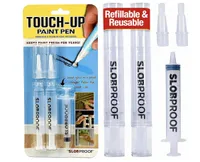
An even better trick is filling paint pens with your leftover wall colors. These fillable brush pens let you quickly dab over small scuffs without dragging out rollers and paint trays. Keep one pen per room color in a drawer so touch-ups take seconds instead of becoming a whole project.
Make sure to store paint in a cool, dry place away from temperature extremes. If you're storing paint long-term, add a layer of plastic wrap over the opening before sealing the lid to prevent air from drying out the paint.
2. Paint door and window frames for contrast
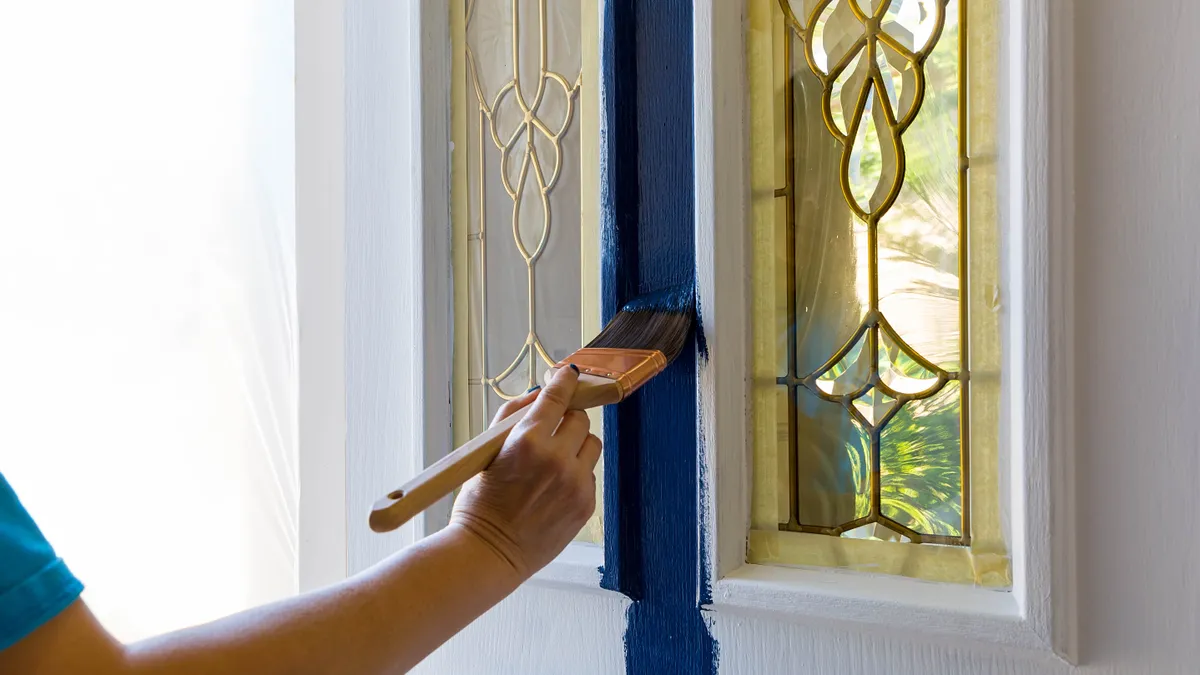
Using leftover paint to highlight door and window trim creates an intentional, designer look without buying more supplies. Choose a contrasting color from another room — if your living room walls are sage green, use leftover navy from your bedroom to paint the door frame. This small detail makes spaces feel more considered and can tie different rooms together by repeating accent colors throughout your home.
The amount of paint needed for trim is minimal, making this perfect for using up the last bit in a can. Clean and lightly sand the trim first if it's previously painted, then apply one or two coats depending on coverage. This works especially well in entryways and hallways where painted trim catches the eye immediately when you enter.
You can also paint just the door itself in a bold leftover color while keeping frames neutral, or vice versa.
3. Upcycle old furniture with leftover paint

That dated wooden chair, plain IKEA bookshelf, or hand-me-down dresser becomes a custom piece when you paint it with leftovers. Mismatched dining chairs become a cohesive set when painted the same color, even if that color is leftover wall paint.
Old wooden ladders become decorative storage when painted. Plain lampshades get personality with painted stripes using multiple leftover colors. For furniture, use eggshell or satin finish paint if possible since it's more durable than flat wall paint, but standard wall paint works if you apply a clear protective topcoat afterward.
Lightly sand furniture first so paint adheres properly, then apply thin coats rather than one thick coat to avoid drips. If you have multiple leftover colors, you could even create an ombre effect on shelves or drawers by gradually lightening one color with white paint for each successive shelf.
4. Create small accent features and pops of color

Leftover paint is perfect for adding small accent details that make rooms feel more finished.
Paint the back wall of bookshelves or cabinets in a contrasting color to create depth and visual interest. Create a painted panel behind a console table or sideboard to highlight artwork or decorative objects. Paint a border around a room's perimeter where the wall meets the trim for a bold graphic effect.
These projects use minimal paint but create maximum impact. You can also paint small sections like the area behind floating shelves, the interior of a closet, or just a portion of wall behind a gallery wall to add color without committing to painting an entire room.
These accent features work especially well with bold leftover colors that would be overwhelming on full walls but look intentional in small doses.
5. Donate usable paint or list it locally
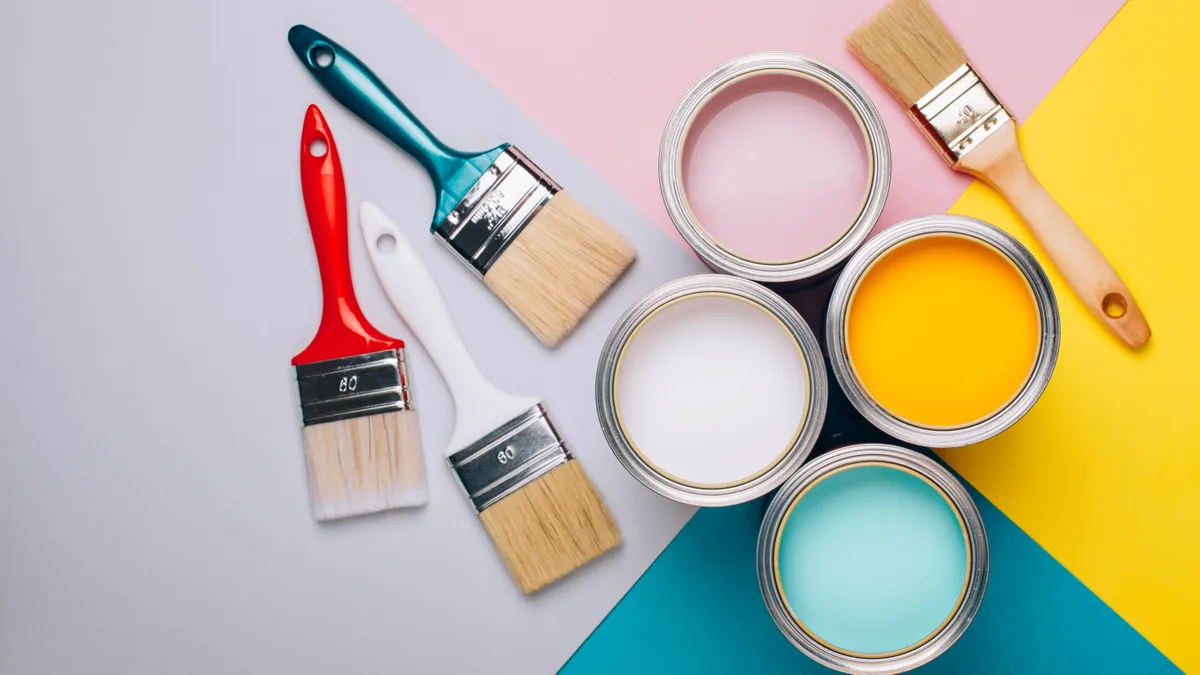
If you genuinely won't use the paint but it's still in good condition, don't throw it away — donate it or give it to someone who needs it.
Check with your local council for paint recycling or disposal services. Post on local community groups or neighborhood apps offering your leftover paint for free. Teachers, artists, community theaters, and people doing their own home projects are often happy to take small amounts of paint off your hands.
Even dried-out paint can sometimes be revived by adding a small amount of water and mixing thoroughly, though this only works for water-based paints. Before donating, make sure containers are properly sealed and labeled with the color name and finish type so recipients know what they're getting.

Follow Tom's Guide on Google News and add us as a preferred source to get our up-to-date news, analysis, and reviews in your feeds.
More from Tom's Guide
- 7 clever painting hacks that you wish you knew sooner
- How to paint your IKEA furniture for a flawless finish
- 7 painting mistakes to avoid — top tips from an expert