March brings warmer temperatures and the return of queen wasps emerging from winter hibernation. After spending cold months dormant in protected spaces, queens wake up hungry and immediately start searching for suitable nesting sites to establish new colonies.
Early spring is the most critical time for wasp prevention. A single queen building a small nest in March is manageable and easy to address. By summer, that same nest can house thousands of aggressive wasps defending an established colony that requires professional removal.
The key is checking common nesting spots now, before wasps settle in and begin reproducing. Here's what to look for and where wasps typically build their nests in early spring.
What early wasp nests look like

Early-season wasp nests are small and easy to miss if you don't know what you're looking for. In March and early April, nests are typically golf ball-sized, with just the queen and a few initial cells for laying eggs.
The nests have a papery, honeycomb-like texture made from chewed wood fibers mixed with saliva. They're usually gray or brown, though color varies depending on the wood source wasps used to build them. The structure looks delicate and umbrella-shaped at this early stage, with visible hexagonal cells.
You might see a single wasp flying around the nest or actively building. This is the queen, and she's alone at this point. She hasn't produced worker wasps yet, so the nest isn't aggressive or heavily defended. This is the easiest time to address the problem.
By mid-to-late summer, these same nests can grow to basketball size or larger, housing hundreds or thousands of wasps. Spotting nests early gives you options for safe removal before colonies establish.
Common nesting spots to check now
1. Under eaves and roof overhangs

Wasps prefer protected spots that shield nests from rain and direct sun. The underside of eaves and roof overhangs provides exactly that — a dry, sheltered surface where queens can build undisturbed.
Walk around your house's exterior and look up at the roofline, paying special attention to corners and joints where two roof sections meet. Early nests often attach to wood siding, fascia boards, or the underside of shingles. You can always use binoculars if necessary to inspect high areas without climbing ladders.
2. Inside attics, lofts, and vents
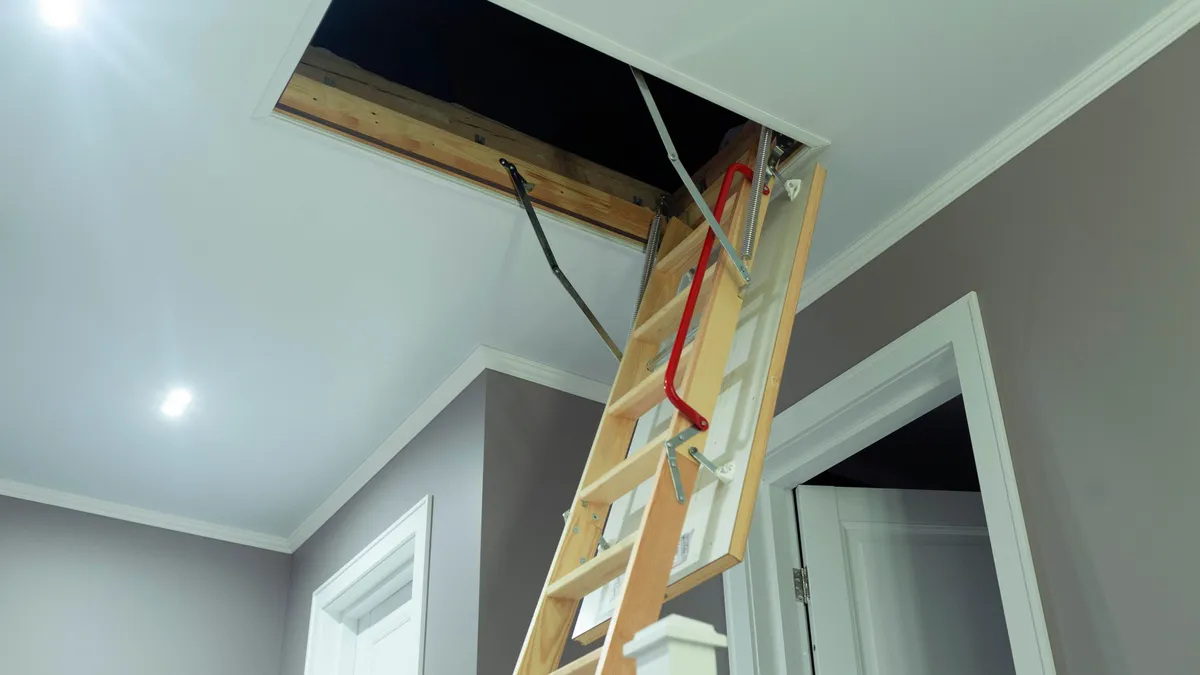
Attics and loft spaces offer warmth, darkness, and protection from weather, which are the ideal conditions for nest building. Wasps enter through small gaps in vents, damaged screens, or openings where utilities enter the house.
Check attic spaces in early spring, especially around soffit vents, gable vents, and ridge vents. Look for wasps flying in and out of vent openings or hovering near entry points. Inspect the interior if accessible, focusing on corners, rafters, and areas near ventilation.
Bathroom vents, dryer vents, and kitchen exhaust vents can also attract nesting queens. If you notice wasps repeatedly flying near these openings, investigate further or seal gaps around the vent housing.
3. Garden sheds and garage corners

Sheds and garages provide countless sheltered nooks where wasps build nests unnoticed. Queens favor upper corners, ceiling joists, window frames, and areas behind stored items that rarely get disturbed.
Inspect the interior of sheds and garages thoroughly in early spring. Look along the ceiling where walls meet, behind hanging tools, and in corners stacked with boxes or equipment. Wasps also build under workbenches, inside rolled-up tarps, and behind shelving units.
Open shed and garage doors regularly during early spring. Queens prefer undisturbed spaces, so frequent activity discourages nest building.
4. Under decks and porch ceilings

The underside of decks and covered porches creates protected cavities perfect for wasp nests. The space between deck boards and ground level offers shelter from weather while remaining relatively undisturbed.
Crouch down and look up under your deck, focusing on corners, joists, and areas where support beams meet. Check porch ceilings thoroughly, especially in corners and around light fixtures or ceiling fans. Wasps often build near outdoor lighting because insects attracted to lights at night provide a convenient food source.
5. Dense bushes, tree branches, and shrubs
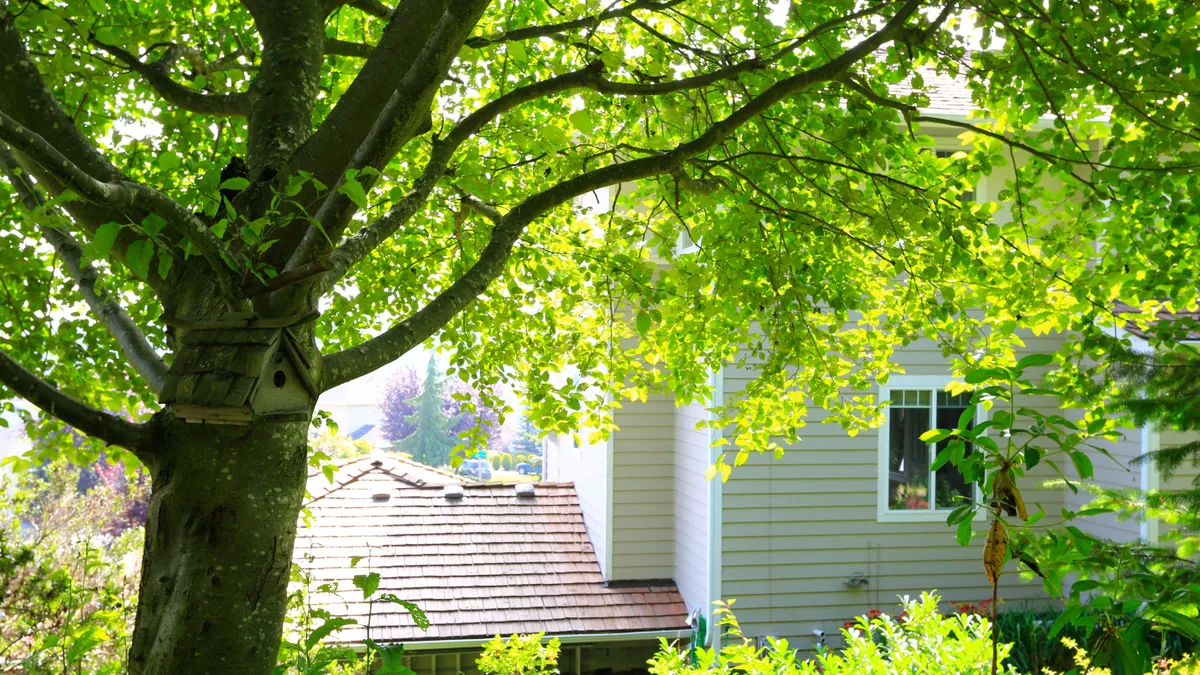
Some wasp species build nests directly in vegetation rather than on structures. Dense bushes, evergreen shrubs, and low-hanging tree branches provide camouflage and protection from predators.
Inspect thick hedges and overgrown shrubs from multiple angles. Early nests blend in with foliage, so look carefully for the distinctive papery texture among leaves and branches. Pay attention to areas where you notice wasps repeatedly flying in and out of the same spot.
Fruit trees and flowering plants attract wasps searching for food, making nearby branches common nesting sites. Check these areas more frequently during early spring.
6. Behind shutters, siding, and exterior trim

Gaps behind shutters, loose siding, and decorative trim create hidden cavities wasps exploit for nesting. These spots offer protection and concealment, allowing nests to grow larger before discovery.
Inspect shutters by gently pulling them away from the wall. Look for gaps where siding has warped or pulled away from the house. Check around door frames, window trim, and any exterior decorative elements with space behind them.
Address loose siding or trim immediately. Sealing these gaps prevents wasps from accessing hidden nesting spots and also improves home weatherproofing.
7. Inside grills, outdoor furniture, and playground equipment
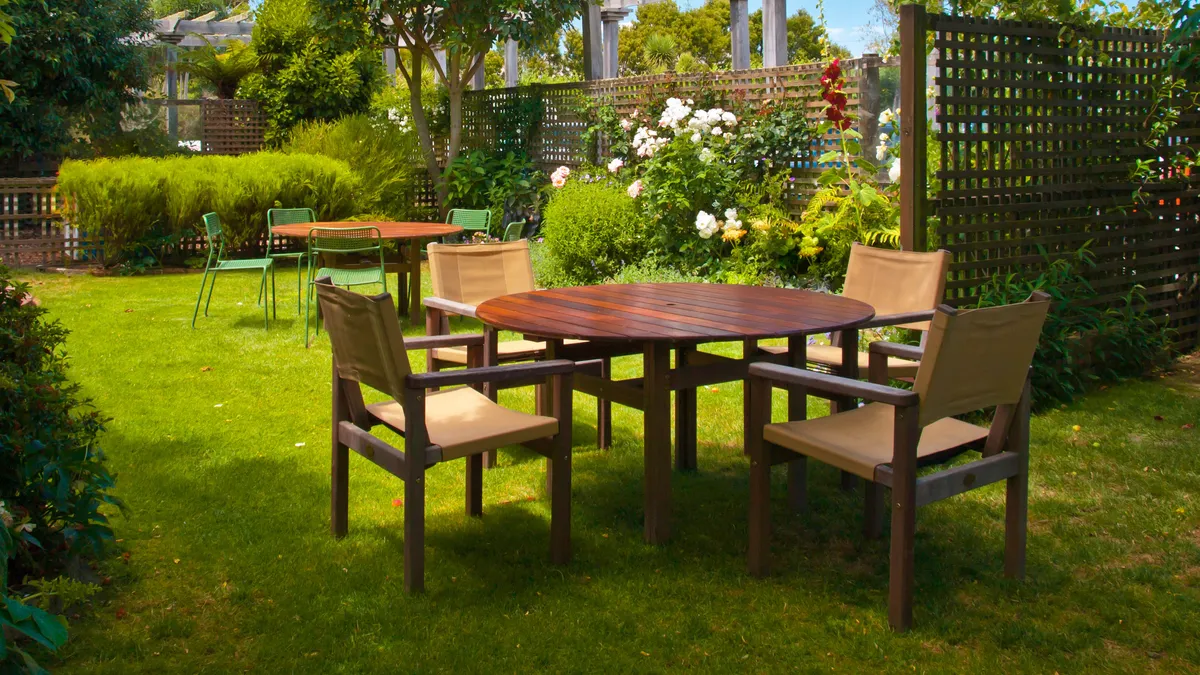
Any outdoor item left unused over winter can become a nesting site. Grills, patio furniture cushion storage boxes, children's playsets, and even rolled-up umbrellas provide protected cavities.
Before using your grill for the first time in spring, open it and inspect thoroughly. Check inside burner covers, grease traps, and any enclosed areas. Wasps frequently build inside grill hoods because the space is dry, dark, and undisturbed during winter.
Inspect playground equipment, especially enclosed areas like clubhouses or tube slides. Check outdoor furniture that's been covered or stored, and shake out cushions and fabric before bringing them out for the season.

Follow Tom's Guide on Google News and add us as a preferred source to get our up-to-date news, analysis, and reviews in your feeds.
More from Tom's Guide