Spring is a popular time to reset your home with a refresh and think about your cleaning routine. Beyond decluttering closets, deep cleaning your oven, and washing your windows, it’s also the perfect time to start thinking about how certain everyday habits may be unintentionally inviting pests into your home.
Apart from March being the start of spring cleaning season, pests are also starting to become more lively. “When the weather gets warmer, bugs become more active and more likely to make their way indoors,” says Emma Grace Crumbley, Entomologist at Mosquito Squad Plus.
“Some pests intentionally seek out our homes in search of food, water and shelter, while others simply wander in through exposed entry points — such as tiny cracks, gaps around doors and windows, openings around utility lines, or small holes around the home.”
What’s more, this spring, we’re not just seeing pests arrive earlier, Trent Frazer, lead entomologist at Aptive Pest Control, says we’re seeing conditions that will produce more of them. “Warmer winters force overwintering insects to burn through their fat reserves faster, causing them to exit dormancy ahead of schedule and start reproducing sooner. And because pest insects respond to temperature while many of their natural predators cue off day length, pests are getting a largely unchecked head start before nature’s own controls kick in.”
Here are 7 common spring cleaning mistakes to avoid to keep pests under control.
1. Handling trash the wrong way

Spring cleaning often starts in the kitchen with clearing out cabinets, emptying fridges and throwing out expired items, but those efforts can unintentionally attract pests if trash and recyclables aren’t handled properly.
“Residual sugary liquids in soda cans and juice bottles, along with food scraps in garbage bins, can quickly attract ants, rodents, and other pests to your yard and home,” explains Crumbley. So, to prevent your spring cleaning habits attracting pests, she says, “Rinse recyclables before placing them in bins, use garbage cans with closable lids, store trash away from the home, and clean both trash and recycling bins regularly.”
2. Not storing food correctly and forgetting to clean cabinets
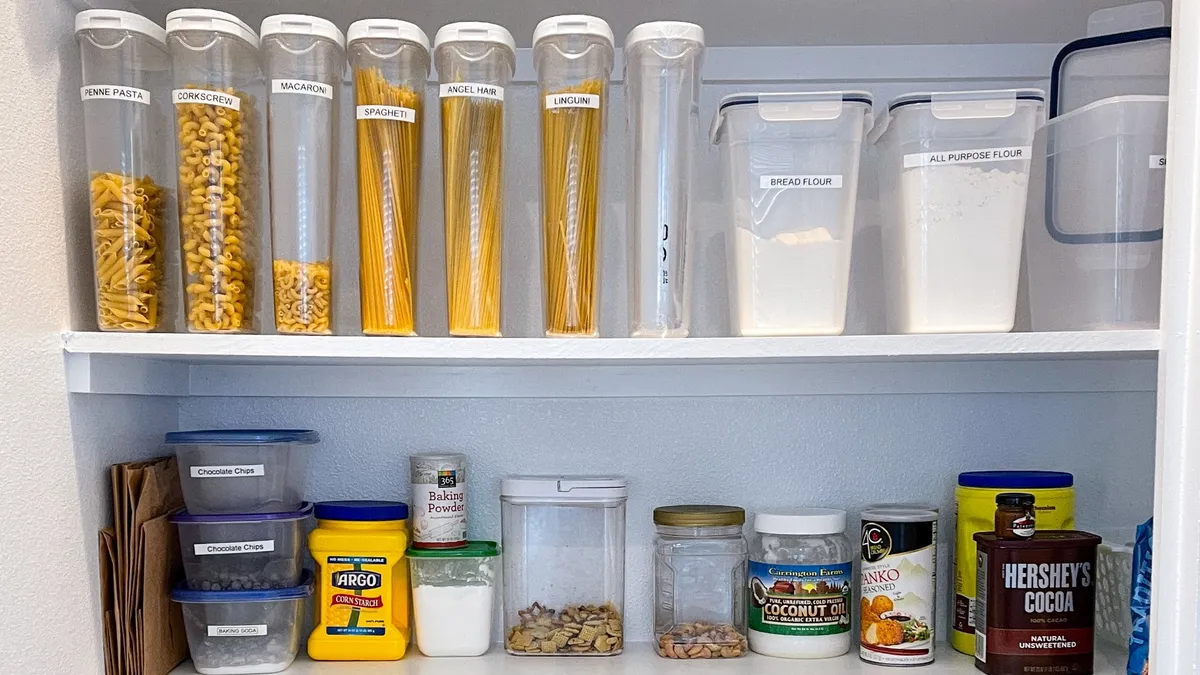
“Spring cleaning the pantry isn’t just about tossing expired items — it’s also an opportunity to make sure all food, including pet food, is tightly sealed or stored in airtight containers,” explains Crumbley.
And while you are throwing out expired items, take the time to wipe down your countertops and inside cabinets to remove any potential food source that will entice pests.
3. Skipping yard debris cleanup

While many homeowners prioritize deep cleaning indoors during spring, the backyard is just as important, especially when it comes to pests.
“Piles of forgotten toys, leaves, damp or rotting woodpiles, and other debris can create ideal hiding and breeding places for a range of pesky invaders,” says Crumbley. And she advises giving your yard a quick seasonal sweep, as it can make a big difference in the presence of pests around the home.
4. Not addressing standing water and moisture

Pests love water, however small the amount, so focus on the areas where water collects in your yard.
“From pooling water on tarps to forgotten buckets, even small amounts of water and excess moisture can be a big attraction for flies, mosquitoes, ants, and a number of other small pests,” says Crumbley.
To address these problem areas, she suggests removing standing water and clearing out items that tend to collect moisture, such as gardening tools, trash bins and unused plant pots. A quick tidy is the simplest way to reduce pest activity.
5. Neglecting gutters and downspouts

Those clogged gutters and downspouts don’t just cause drainage issues, they can also attract pests. “After months of winter weather and buildup, spring is a crucial time to clear these areas to remove any leaves or lawn debris that may be providing pests with breeding grounds,” says Crumbley.
By keeping your drains and gutters clear, you remove the debris and standing water that attracts pests, and reduce the chance of them entering your home.
6. Overlooking basements, attics, and crawlspaces

Don’t ignore those spaces in your home that are often out of mind. Crumbley says, "Skipping spring inspections or deep cleaning in less-frequented areas like attics, basements, and crawl spaces can unintentionally create opportunities for unwanted guests.”
She also advises checking for foundation cracks in basements, openings in crawl spaces, and unsealed windows or gaps in the home’s attic, which all give pests an open invitation to come inside, and in the case of termites, lead to serious structural problems if left unaddressed.
So, while you’re doing your annual spring clean, now is the perfect time for a routine inspection to fill unwanted cracks, crevices, gaps, and holes, and seal with appropriate insulation.
7. Using the wrong cleaning solution

Without you realizing it, your cleaning solution could be causing a pest problem. “DIY cleaners made with sweet-smelling ingredients, such as floral extracts, fruit juices, or sugars, can attract pests, as insects like ants, flies, and cockroaches use carbohydrate-rich odors as foraging cues,” explains Crumbley.
And she adds that commercial sweet-scented and ammonia-based cleaners may also draw insects briefly, but their volatile compounds dissipate quickly. Never mix cleaning product — especially ammonia and bleach — because dangerous chemical reactions can occur.

Follow Tom's Guide on Google News and add us as a preferred source to get our up-to-date news, analysis, and reviews in your feeds.
More from Tom's Guide