Every January, most people drag their Christmas tree to the curb and forget about it. But that tree is actually useful. Every part of it can be repurposed around your home and garden instead of becoming trash. Your Christmas tree doesn't need to go to waste when it can benefit your plants, support wildlife, or become decorative elements you'll use for months.
Chris Bonnett, founder of GardeningExpress.co.uk, explains that "all parts of the tree can be repurposed — the trunk can be shredded into wood chips for garden pathways, the branches can be used to provide insulation for tender plants, and the needles can be put in small bags to create fragrant sachets."
Here are seven practical ways to reuse your Christmas tree after the holidays from the experts.
1. Turn it into natural mulch for your garden

"Pine wood and needles are ideal materials for mulch, offering excellent moisture retention and weed suppression," says Bonnett. Transform your Christmas tree into organic mulch that enriches your garden soil and helps plants stay hydrated.
Let the tree dry out for a few weeks, then shred the branches into small wood chips using a wood chipper if you have access to one. Allow the chips to decompose for several months before spreading them around trees, shrubs, and garden beds.
If you don't have a wood chipper, pine needles alone work perfectly well as mulch since they dry quickly but decompose slowly, making them ideal for long-lasting ground cover. Spread a two to three-inch layer around your plants, keeping the mulch a few inches away from plant stems to prevent rot.
2. Build wood chip pathways

If you've shredded your Christmas tree into wood chips, use them to create or refresh garden pathways. Experts note that "a thick layer of wood chips not only keeps weeds at bay and locks in soil moisture but also adds texture and a natural look to your garden."
Lay down the chips at least three to four inches deep for effective weed suppression. The wood chips will compact over time and gradually decompose, eventually enriching the soil beneath. You can top up the pathways with additional organic material as needed.
This approach works particularly well for informal cottage-style gardens or woodland areas where the rustic look of wood chip paths fits naturally into the landscape.
3. Use branches as insulation or plant stakes

Pine branches provide excellent protection for delicate plants during winter's coldest months. Cut larger branches from your Christmas tree and lay them over the soil around tender perennials. According to gardening experts, you can "lay them over the soil to insulate it, reducing the risk of freezing and thawing cycles that can damage plant roots."
You can also repurpose branches as plant stakes to support young or fragile plants. "Insert the stakes 2–3 inches away from the plant's base and position them at an angle to shield the plants from strong winter winds," experts recommend.
The evergreen branches remain effective throughout winter before naturally decomposing in spring.
4. Create a wildlife shelter
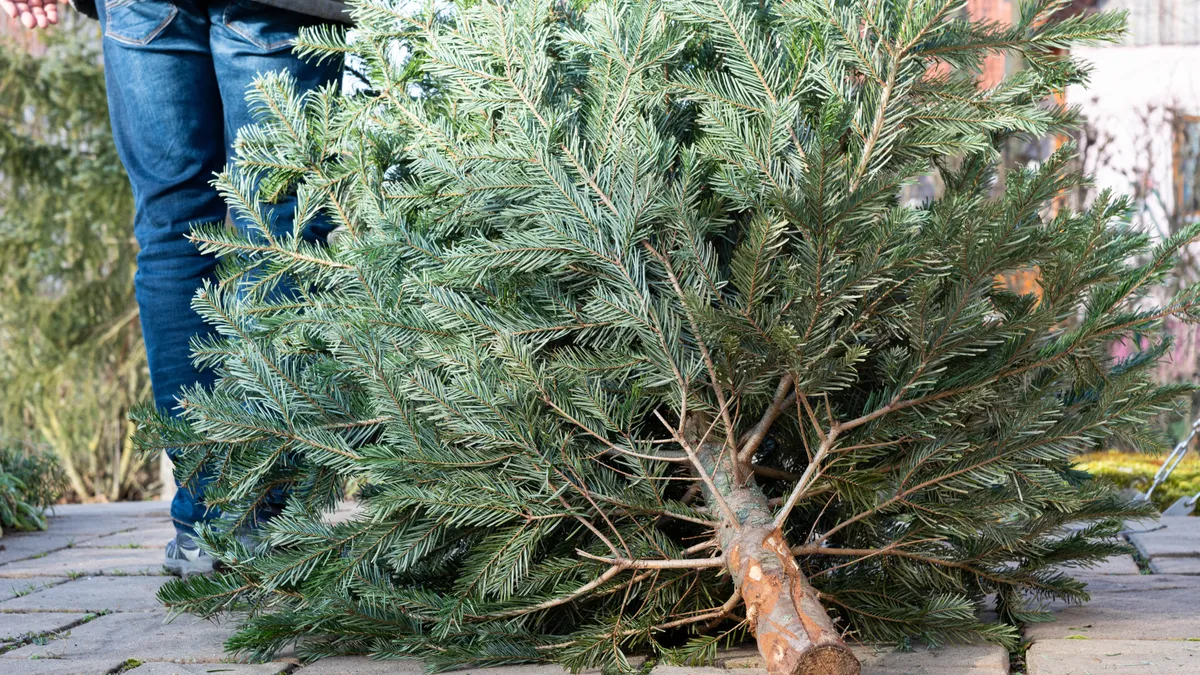
"You can support wildlife by turning your Christmas tree into a winter shelter for them," explains Chris Bonnett. Position your entire tree in a corner of your garden to create a refuge for small animals and birds. The dense branches provide shelter from wind, rain, and snow while offering safe hiding spots from predators.
Birds will roost in the branches overnight, and small mammals like hedgehogs might use the base as a cozy retreat. "You can also hang bird feeders, fruit slices, or seed cakes from the branches to provide extra nourishment for wildlife during the colder months," Bonnett adds.
Leave the tree in place through winter and into early spring, giving wildlife extended shelter during the harshest weather. As the tree naturally breaks down, it becomes habitat for beneficial insects.
5. Craft wreaths and decorations

Christmas tree branches can be transformed into beautiful handmade decorations that last well beyond the holiday season. "Use them to craft a wreath that can adorn your door year-round," advises GardeningExpress.co.uk.
Cut fresh, flexible branches and bend them into a circular shape, securing with binding wire. "All you'll need is some binding wire, scissors, glue, and optional embellishments to personalise your design." Overlap additional branches to create fullness, then decorate with pinecones, berries, ribbons, or other natural materials.
You can also use smaller branch cuttings to create garlands, centerpieces, or decorative arrangements. When you're finished with the decorations, compost the materials or use them as garden mulch.
6. Make fragrant sachets from pine needles

"The pine needles from your tree carry a refreshing, wintery scent that works perfectly in fragrant sachets," notes Bonnett. Collect the needles that have fallen from your tree and let them dry completely. Then gather "the fallen needles, place them in small fabric bags, and tie them off with a decorative ribbon."
The natural pine fragrance lasts for months and provides a pleasant alternative to synthetic air fresheners. You can refresh the scent by gently crushing the needles inside the bag to release more oils.
"These sachets are ideal for freshening up drawers and closets, and they make thoughtful gifts for family and friends." You can also add other scents like lavender, dried orange or essential oils for an extra fragrance boost.
7. Replant potted trees in your garden

If you purchased a potted Christmas tree with intact roots, you can give it a permanent home outdoors. "Gradually acclimate the tree to outdoor conditions, then find a sunny spot with well-draining soil," advises GardeningExpress.co.uk.
"Dig a hole slightly larger than the root ball, plant the tree, backfill with soil, and water thoroughly." Keep the soil consistently moist for the first growing season while the tree establishes its root system.
Over time, your former Christmas tree will grow into a full-sized evergreen that provides year-round interest and habitat for wildlife in your garden.

Follow Tom's Guide on Google News and add us as a preferred source to get our up-to-date news, analysis, and reviews in your feeds. Make sure to click the Follow button!
More from Tom's Guide
- People are using dish soap to break down drain blockages — I asked a plumber if it's a good idea
- My mom taught me the 'tidy tote' cleaning hack, and it's the only thing that keeps my house clean during the holidays
- 3 reasons why your floors are still dirty after mopping — we asked the cleaning experts