




After the recent snowstorms and freezing temperatures, many homeowners across the country are facing the task of either shoveling snow or, worse, dealing with an ice dam on their roof. But while it may sound alarming, what exactly is an ice dam, and how can it damage your home if left unchecked?
Fortunately, we’ve got the experts to answer your questions, along with their top tips for preventing an ice dam this winter.
What is an ice dam, and what causes it?

As the name suggests, an ice dam is a build-up of packed ice that settles on the edge/ridges of sloped roofs and blocks melting snow from draining off. The problem is that water backing up behind the ice dam can seep into the house, resulting in damage to areas such as walls, ceilings and insulation.
So what causes ice dams to happen? And if most homes experience heavy snowfall, why don’t we see this on all roofs? “Most people think the cause of ice dams is snow, but the primary culprit is heat loss from the dwelling into the attic, garage, or a bonus room above a garage,” explains Alan Bernau Jr, Owner and Outdoor Storage Shed Expert at Alan's Factory Outlet.
“This occurs when a garage is attached, and no insulation has been provided. Heat rises and enters the attic or garage space, causing the upper layer of snow to melt, and then the water that was formed drains down the roof to the colder eaves area, where it then freezes, thus forming an ice dam. This process creates a problem that is developing slowly but will most certainly show quickly once the temperatures begin to fluctuate.”
How can ice dams damage your property?

Essentially, if there is trapped water underneath the ice dams, this can seep beneath the roof shingle surface, into the insulation, and eventually through the ceiling below. Not only can this lead to unsightly water stains and damage to roofing materials, but potentially cause structural damage to the roof deck over time.
“Additionally, when garages are involved, the moisture that collects due to the ice dams may go undetected for extended periods of time, leading to mold or corrosion of stored tools and equipment,” adds Michael Casolaro, President & CEO at MCAS Roofing & Contracting, Inc.
“There is a serious safety concern as well: Falling icicles and chunks of ice can harm people walking underneath them, as well as damage vehicles parked below.”
So always take extra care around your property, especially if there are young children or pets running around.
What to do if you have an ice dam on your roof

Generally, removing ice dams is dangerous and best left to a professional roofing company, and you must never climb an icy roof to clear snow. However, there are a few tips when it comes to reducing snow build-up.
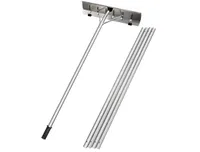
“Never just knock off the icicles or chip them off with tools,” warns Casolaro. “You can damage your roof and hurt yourself. Instead, have the right tools in your arsenal. For around $100-$175 you can buy a good roof rake.”
Just be sure to stand on the ground to remove roof snow at a distance and watch for falling icicles.
Another top tip is to consider heated roof cables. If in doubt, you may need to get a professional in to fit these properly. “Some homes are just prone to ice dams”, adds Casolaro. “Whatever the reason, consider heated roof cables (AKA de-icing strips) as a fantastic, affordable solution.
"They can be installed along the edges of your roof, in your gutters, or anywhere you're getting ice. You can get strips you can manually control from the ground, or temperature-regulated strips that work automatically.”
How can homeowners prevent ice dams?

Preventing ice dams always begins inside the house — not on the roof. The first thing homeowners must do is to ensure proper insulation and ventilation, particularly in the attic and spaces above garages. It’s important to seal all areas to keep warm air from entering the attic space and melting the snow above it evenly.
“If the snow on your garage or shed roofs is melting at a significantly faster rate than the rest of the roof, that is a sign of potential insulation issues,” adds Bernau Jr.
“I recommend inspecting the seals around garage ceilings, attic hatches, and shared walls each fall to ensure that any small gaps in these areas have not created major problems during the winter months.”
In addition, keep your gutters clear from debris and potential blockages, and don’t forget to inspect your gutter downspout. “Start with proper attic insulation and ventilation,” adds Casolaro. “If too much heat is escaping, or air flows unevenly under your roof deck, snow on your roof will melt unevenly.
“Next, good roof drainage is crucial. Make sure your gutters are clear before the start of winter and before any major storms. Remember to check your gutter downspout and where underground drainage empties on your property. If your gutters are blocked, you'll definitely get ice dams.”
Needless to say, the hidden issues with ice dams are actually more dangerous than the ones you can easily see, so it's vital to take steps to prevent them this winter. If you skip the precautions, you could end up with some hefty bills for fixing your roof or building in the long-run.

Follow Tom's Guide on Google News and add us as a preferred source to get our up-to-date news, analysis, and reviews in your feeds.
More from Tom's Guide

