Crickets are a common insect found throughout much of the U.S., but thankfully, the only harm they cause when they venture inside our homes is to be a nuisance. However, when you do find crickets inside, you’re more likely to want to escort them out than offer them a bed for the night.
I called on the expertise of Emma Grace Crumbley, Entomologist at Mosquito Squad Plus, to discover what encourages crickets inside and how to deter them from invading our homes.
“Thankfully, crickets do not cause structural damage to the home, nor do they spread any known diseases,” says Crumbley. “They do not typically bite, sting, or scratch people or pets, and they do not reproduce as fast as other pests. To put it simply, crickets in your home are just plain annoying.”
As a homeowner, this is good to know, but you may still be wondering what’s encouraging them inside?
What attracts crickets inside?

According to Crumbley, crickets are attracted to basements, crawlspaces, and homes in general because of the moisture, darkness, and shelter they provide. And it’s in the basement that my colleague, Amanda Caswell, spots crickets in her home.
“Crickets typically infest homes during the warmest months of the year as they search for cool, dark, moist places to escape the dry heat and sun,” explains Crumbley.
But apart from seeking warmth, crickets are also looking for sustenance. “While there might not seem like enough food in our basements to sustain these insects, crickets are omnivorous scavengers and will feed on any vegetation, fungi, or other insects that they can find,” she says.
And because crickets are drawn to moist areas, they love rooms that are prone to condensation — whether it’s a basement, or crawl space as mentioned above, or parts of the home with moisture issues, such as recent flooding, or plumbing problems.
“In the wild, crickets easily drown when they try to drink from standing water,” explains Crumbley.
However, unlike standing water, the water droplets from condensation build-up are easy for crickets to drink, without the risk of drowning.
Crumbley also explains that because water can often be difficult for crickets to consume, they get most of their hydration from eating food with high moisture content, like vegetation.
How to identify different crickets
There are three types of crickets you will typically find in your home — field crickets, house crickets, and camel crickets.

Field crickets
Crumbley describes field crickets as being dark black that are usually half an inch long. “These crickets are sometimes mistaken for roaches… until they start jumping,” she says.

House crickets
House crickets are larger than field crickets and tan in color. Crumbley mentions they are known for their loud chirps, “You may have seen house crickets before in the reptile section of your local pet store, as they are sold and used to feed lizards, geckos, and bearded dragons.”

Camel crickets
Crumbley describes camel crickets as the “spookiest crickets you will find in your home”. These tan crickets are large, between 1-1.5 inches, and have a humped back and very long legs. They are also known as cave crickets — they love hiding in the dark and tend to congregate in moist areas.
How to deter crickets from entering your home
To prevent crickets from inviting themselves inside your home, Crumbley recommends covering three main areas.
1. Control moisture levels
“Inspect your home for areas with high moisture levels, flooding, condensation build-up, or leaks, and address these problems with dehumidifiers, utility repairs, or home restorations,” she says.
2. Clear the perimeter
Don't just consider inside your home; check the outside too. “Clear the perimeter of any overgrown vegetation, wood piles, leaf litter, or gardening supplies that may be trapping moisture and attracting crickets,” Crumbley advises.
She also suggests keeping the sides of your home clear by moving woodpiles and other such items.
3. Seal them out
Sealing off entry points is the best way to prevent future infestations. “Crickets don’t need a lot of space to get into our homes, and holes or gaps as small as ¼ inch can be used by crickets to get inside,” says Crumbley.
Check your home for unwanted gaps, cracks, and holes, and remove them as thoroughly as possible.
How to get rid of crickets from inside your home

If you're looking at ways to deter crickets from entering your home, it's highly likely you've already found one or two! And although you can deter them from entering, you'll want to get rid of the ones that have already appeared.
Get out your vacuum
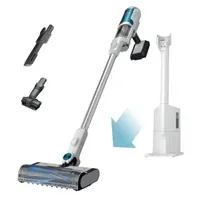
Crumbley suggests using a vacuum as a nontoxic way to remove crickets and their eggs. Depending on the type of vacuum you own, finish by emptying the vacuum bin into an outside trash can and giving it a good clean, or dispose of your vacuum bag.
Rely on your furry friends
Without causing harm to the crickets yourself, if you own a cat or dog, they will instinctively sniff them out and help to reduce the cricket population in your home.
However, if you do have a severe cricket infestation, Crumbley advises calling in a pest control company.

Follow Tom's Guide on Google News and add us as a preferred source to get our up-to-date news, analysis, and reviews in your feeds.
More from Tom's Guide