




As the temperatures continue to drop, it seems we’re not the only ones seeking warmth and cozy shelter this winter. Pest control experts have warned of a ‘death spiral’ ladybug invasion that could be coming to your town (or home) right now. This comes after recent reports from homeowners across the U.S. who have spotted clusters of these tiny insects.
So what exactly are ‘death spiral’ ladybugs? And how do you know if you have them hiding in your home?
Luckily, we have a pest control expert at hand to share their top tips on how to spot these invasive bugs and take preventative action.
What are 'Death Spiral' ladybugs?

While the name sounds rather alarming, ‘death spiral’ ladybugs usually refer to Asian lady beetles. These bugs typically swarm homes in clusters, particularly around windows, walls and on ceilings. Strangely, they spin around in circles while entering homes, sometimes exhausting themselves to death as they do so. Hence the scary 'death spiral' name attributed to them.
But, while they tend to ‘invade’ our homes from October through the winter months, the majority do not suddenly appear out of thin air. In fact, you'll probably be wondering where they came from.
“If you’re seeing clusters of adults, it means those beetles were already nearby months earlier as larvae,” warns Trent Frazer, Lead Entomologist at Aptive Pest Control. “Before they can fly, they crawl, feed on soft-bodied insects like aphids, and scale on trees, shrubs, and garden plants.
“When that food is abundant, the larvae thrive. By the time they mature, it’s easier to notice large groups of them gathering on warm surfaces around the home. What looks like a sudden invasion is really just the natural result of a successful early-season food supply and the beetle’s own life cycle.”
What’s more, these ladybugs are known to bite, swarm, and emit a foul-smelling odor when trapped or crushed. This is mainly caused by a yellowish defensive fluid from their leg joints that also stains walls or materials.
What are the signs you have 'death spiral' ladybugs?
The most obvious sign is if you've already spotted large clusters or groups of these ladybugs. However, there are a few factors that make your home more appealing for such ladybugs to seek refuge.
“When temperatures drop, if you see large groups of adult lady beetles, that is a key sign they’re in your home,” states Frazer. “They’re often drawn to homes with bright sunlight, gaps around windows or siding, and those with many available hiding spots such as spaces in walls or areas near damaged tree bark.”
However, if you do want to remove a few, pest experts suggest using a vacuum cleaner, which will avoid releasing their smell or staining surfaces. "If adult lady beetles are already inside your home, the recommended removal method is using a vacuum," advises Frazer.
"They are not dangerous, just more of a nuisance once indoors. If the issue returns, having a professional identify and block their entry points can help keep your home protected through the winter."
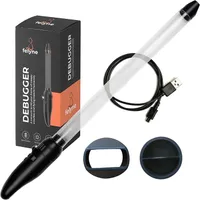
Alternatively, there are insect catcher vacuums available that work by its suction and release of insects by gently blowing them out of the tube.
How to prevent an infestation?
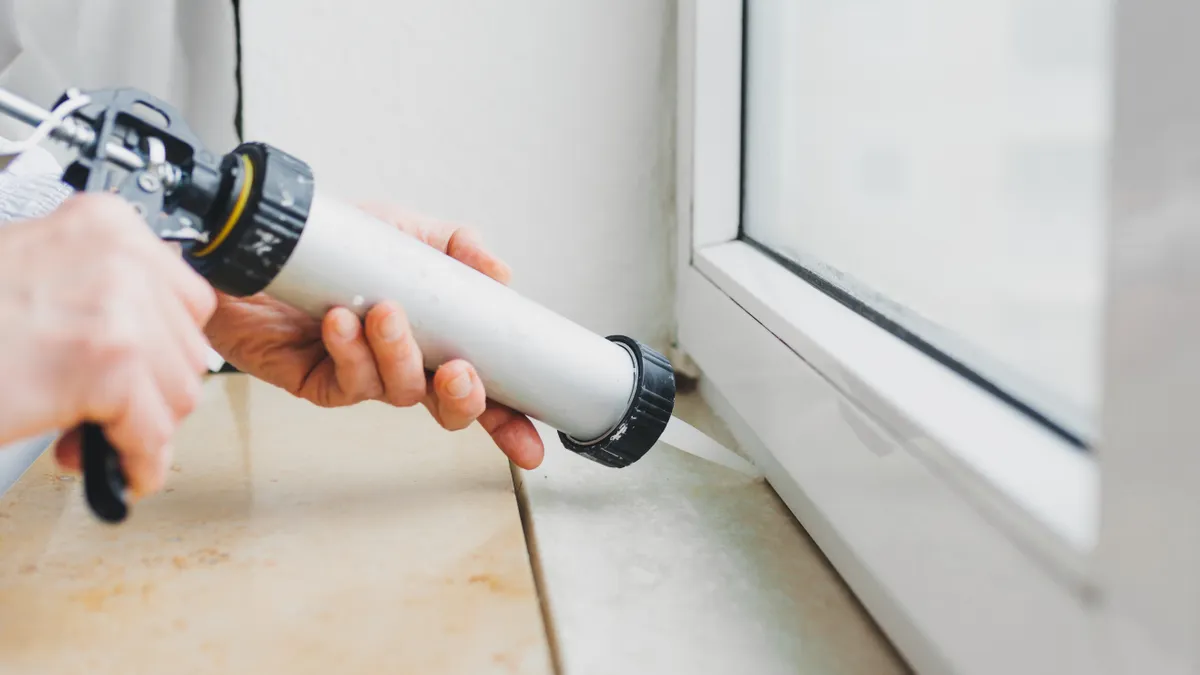
Similar to any pest infestation, you’ll need to put preventive measures in place to avoid a ladybug invasion. Start by sealing any gaps, cracks, or potential entryways for ladybugs to enter your home, particularly around windows.
“The best way to prevent adult lady beetles is to block their access,” adds Frazer. “Check for cracks and gaps around the home, seal areas where utility lines enter, repair broken screens, and make sure doors and windows fit tightly and close well. The fewer entry points adult lady beetles have access to, the less attractive a home becomes as a winter shelter.”
You can fill in cracks and gaps with caulk and a caulking gun, which is also a good way to weatherproof your home and keep it warm and toasty this winter.

Follow Tom's Guide on Google News and add us as a preferred source to get our up-to-date news, analysis, and reviews in your feeds.
More from Tom's Guide
- Pest experts warn you should never squash spiders in your home — here’s why
- Natural pest repellents — 9 ways to save money and skip the exterminator
- 5 things not to do when repelling pests, according to experts

