




Right now, many homeowners are preparing their homes for heavy snowstorms expected to hit across most of the United States.
But preparing for a snowstorm involves more than just stocking up on food and essentials — it's also important to be ready for the common risk of power outages.
So what does this mean if you have a freezer full of food? Once thawed, food poses a health safety risk and should be thrown away. By preventing the chances of spoiled foods, you’re also avoiding the expense of replacing your entire grocery shopping.
However, there's a simple yet clever trick you can use to check if the items in your freezer remained frozen during a power outage caused by a storm. What’s more, this tip is super easy, and all it involves is placing a coin on top of a frozen cup of water. Sound intriguing? Find out more.
How to do the coin hack

First, fill up a cup or any other freezer-safe container with water and place it in the freezer overnight. Once this has frozen completely, remove the water and place a quarter on the top. Next, place your cup back in the freezer, making sure the door is shut for easy access later.
The premise is that if you find the quarter remains at the top, it indicates the ice hasn’t melted and your food contents are safe to eat. If the quarter is in the middle of the cup, it indicates that its begun to thaw when the power was cut and refroze. You should then be checking each item to be sure they haven’t defrosted.
And if the quarter is at the bottom of the cup, the freezer has fully defrosted, in which case, you should throw out your food contents to avoid food poisoning.
Does this coin trick really work?
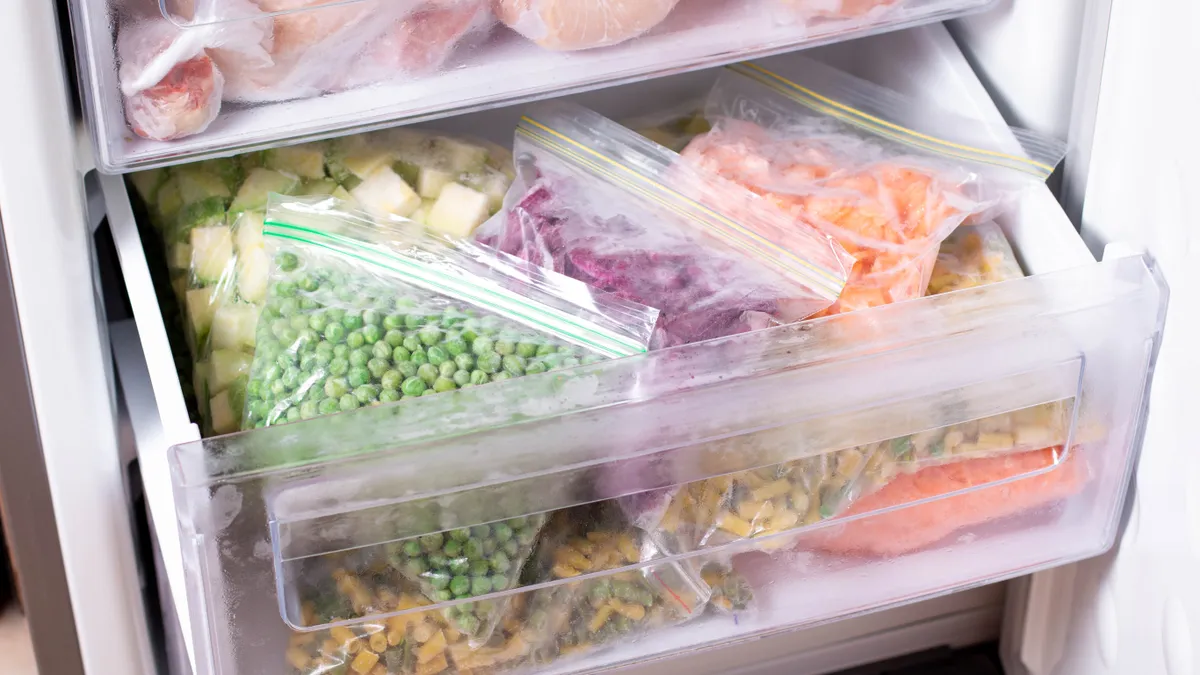
There’s been much debate about this hack from experts, and while it is a clever indicator for when power goes out, it shouldn’t be the only way to guarantee food safety.
According to food experts, some foods may still be fine to consume even if the quarter is halfway down the cup, while others may not — this will mainly depend on the temperature.
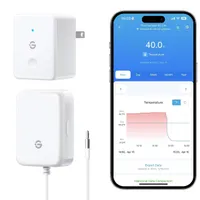
In the case of a power outage, it’s advisable to check the temperature of frozen food items with an appliance thermometer. Or you can invest in a smart refrigerator thermometer that will send you instant alerts or notifications straight to your phone. Plus, if it’s anything above 40 degrees F, it's recommended to throw food items in the trash can or compost.
In addition, check for physical changes in your foods, especially when it contains pooled water, indicating that it has thawed and refrosted. Generally, this is unsafe to eat and should also be thrown out, particularly meat, poultry, and seafood.
For more tips on storm-proofing your home, check out our pre-storm checklist: 5 things you should keep on-hand when the snow hits.

Follow Tom's Guide on Google News and add us as a preferred source to get our up-to-date news, analysis, and reviews in your feeds.
More from Tom's Guide

