




If you’ve experienced heavy snowfall, you’ll probably be outdoors shoveling snow on your driveway or clearing pathways. But if you’ve recently noticed black specks jumping in the snow, don’t worry, you’re not imagining it.
While these look like specks of dirt at first glance, these tiny, jumping specks are actually snow fleas. So what are these winter pests? Where do they come from? And more importantly, do they bite?
Luckily, we’ve got the pest experts at hand to answer our questions — and hopefully put our minds at rest. So before you venture out, here’s everything you need to know about snow fleas.
What are snow fleas?

Despite their name, snow fleas are not actually fleas. The name is only used because they move by jumping, similar to how pets' fleas travel. So what exactly are these tiny wingless critters?
“Snow fleas are not real fleas”, states Trent Frazer, Lead Entomologist at Aptive Pest Control. “Most of the time, people see tiny bugs called springtails. They are very small, dark, and they can “pop” or jump when you get close. You may see a lot of them on top of snow on warm winter days, or when the snow starts to melt.”
Springtails are typically found on the ground in moist environments such as soil, mulch, and beneath logs — feasting on damp substances like mold, fungi, bacteria, and decaying organic matter.
So what is attracting them to the snow? “When the weather shifts and the snow gets a thin wet layer on top, they can move up from the soil and gather on the snow,” adds Frazer.
“What attracts them to snow days is the moisture. Melting snow makes the ground wet, and that wet layer can push them up and out. If you have a lot of wet leaves, thick mulch, soggy garden beds, or poor drainage near the home, you are more likely to see them. They also show up more when mold or algae is growing in damp areas.”
Are snow fleas harmful?

The good news is that snow fleas don’t bite or carry worrying diseases to humans and pets. They can, however, travel into your home on shoes, snow-laden boots, pet fur, or even on shoveling tools. In addition, they’re small enough to fit through the tiniest gaps around windows and doors.
“Even if you or your pet brings them home, there's no chance they turn into a problem,” adds Nicole Carpenter, President at Black Pest Prevention. “Snow fleas need constant moisture, which even a home with 50–60% indoor humidity can’t provide, so they dry out in hours.”
How do you get rid of snow fleas in your home?

Should you happen to find these snow fleas in your home — for example, in the basement or near indoor plants — these usually indicate a damp or moisture problem.
“At home, think of snow fleas not as a problem but as a moisture indicator that actually points to the issue before you even notice mold or mildew,” states Carpenter. “In case you see them in your damp basement or near plant pots, just vacuum them and reduce moisture.
"Reducing moisture means eliminating their food source — snow fleas feed on fungi, algae, bacteria, and decaying organic matter, which are only possible in constant moisture.”
Generally, chemical sprays are not necessary to banish snow fleas, however, if you do find an infestation, it’s best to call in a pest control service to deal with this. Essentially, the best way to keep snow fleas away is to make sure your home isn't an inviting place by keeping all areas dry and moisture-free.
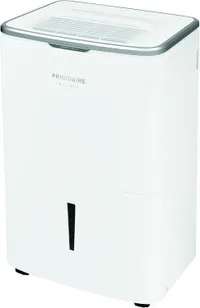
“The main goal is to dry things out and take away their wet hiding spots,” agrees Frazer. “Outside, try to keep leaf piles, thick mulch, and wet yard waste away from the house. If water sits near the foundation, fix the grading if you can and make sure gutters and downspouts move water away from the home. Inside, run one of the best dehumidifiers in damp rooms, fix leaks, and dry out wet areas.”
So next time you notice jumping black specks on the snow, remember they may not be dirt.

Follow Tom's Guide on Google News and add us as a preferred source to get our up-to-date news, analysis, and reviews in your feeds.
More from Tom's Guide

