




If you’ve been hit with heavy snowfall, you’re probably faced with the arduous task of removing snow from your walkway or driveways. But what is the best way to clear the snow? And when should you use a snow blower versus a good old reliable shovel?
To help you decide, I asked the experts to reveal the pros and cons of both a snow blower and a shovel, when to use them, and top tips for using them effectively. This way, your snow days will be far easier to manage this winter.
Snow blowers: pros and cons
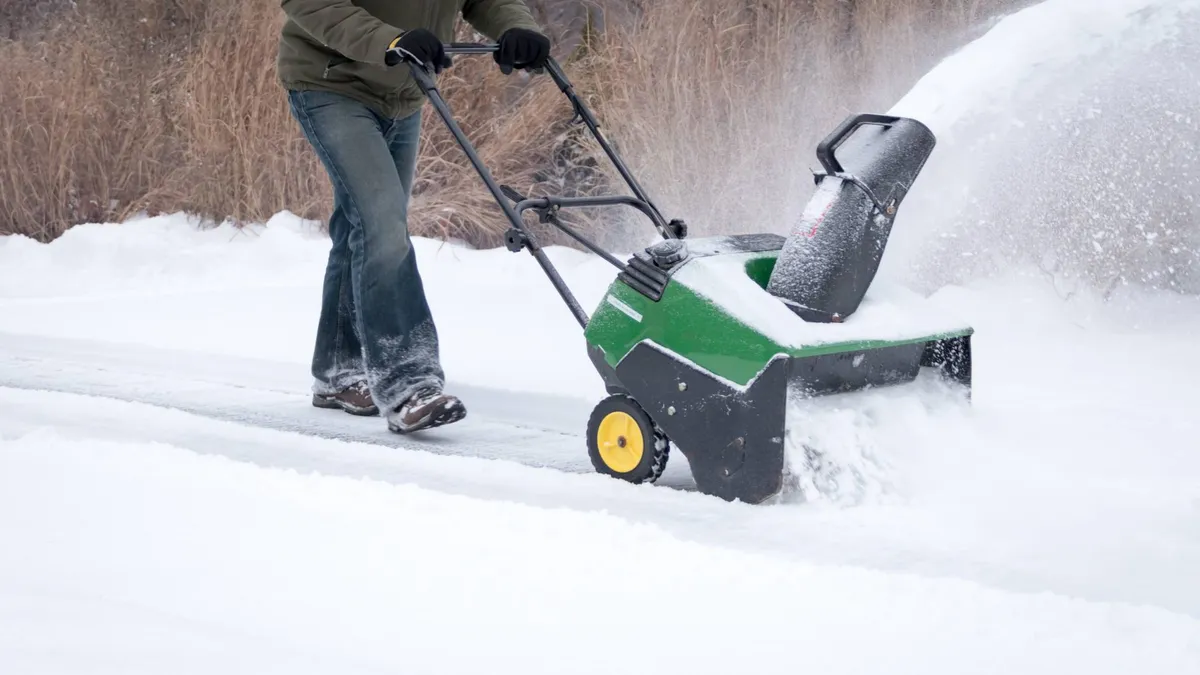
Essentially, snowblowers are powerful machines used for quickly clearing a wide pathway of accumulated snow with each pass, and can shoot snow from 20 feet out of the way. Experts recommend that a snow blower works best for larger driveways or when you get frequent or accumulation of heavy snow.
Not only can it make light work of a gruelling task, but it can also save valuable time and effort. However, snowblowers tend to be heavier to manage and operate, are more expensive, and require maintenance.
“Snowblowers are only good for broad, wide paths,” states Carl Murawski, certified tradesman and construction coordinator at Carl Murawski . “They can't get into tight spaces, and struggle with steps or multiple levels. However, snowblowers are far more expensive than shovels; they require maintenance, and they can be dangerous.
“There are plenty of stories about injuries caused by freeing stuck augers, and losing a finger isn’t unheard of.” That’s why it’s so important to read the manufacturer's guidance before use, and know how to start a snow blower the right way and safely.
If you’re still undecided, check out these 5 essential things you need to know before buying a snow blower.
Snow shovels: pros and cons

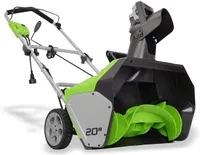
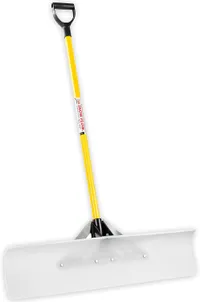
On the other hand, snow shovels are great multi-purpose tools, convenient to use and lighter to manage around your property. They are also more affordable than snow blowers and come in various sizes to suit your needs.
“Snow shovels are cheap, and even the most expensive models are well below $100,” adds Murawski. “Since they’re solid-state, they require little to no maintenance and require very little space to store. They are also a great choice for early mornings when you don’t want to make a lot of noise, but need to clear a path.”
Of course, the cons are that it requires manual labor to use effectively and can be physically demanding, especially when dealing with patches of ice. In addition, elderly people or those with limited movement would need to take extra caution when shoveling on a bitterly cold day.
“Repetitive lifting, twisting and throwing can be dangerous for the elderly or if you’re out of shape,” agrees Murawski. “Shovels pale in comparison to snowblowers in efficiency, especially with ice crust or partial freezes.”
However, if a shovel is your chosen tool, make sure you research the specs and weight to ensure you get the right one for you. “The biggest tip I can give for shoveling is to push the snow instead of lifting it when you can,” advises Gene Caballero, co-founder of GreenPal. “Also, keep your back straight, bend at the knees, stay hydrated, and take frequent breaks.”
When should you use a snowblower vs. a shovel?

So the big question is when should you be using a snow blower vs a shovel? And what difference does it make to your snow-clearing task? According to experts, this all depends on how thick your snow is and the area you want to cover.
If you’re dealing with very light snowfall, a shovel would be your best option to use. “The best time and conditions to use a snow shovel are for light powdery snow, typically between three to four inches,” advises Caballero. “The reason is that snow gets heavy, and you don't want to put too much pressure on your back. So shoveling is ideal for smaller areas like porches, steps, and tight walkways.”
On the other hand, if you’re tackling the aftermath of a snowstorm or have a driveway to clear, a shovel is not going to cut it (literally). For this, a snowblower will be much quicker to do the job.
“A snowblower is best to be used when the snow is deeper than four inches or when you're doing a large area like a driveway,” advises Gene Caballero, co-founder of GreenPal. “It will save time and reduce all the physical strain.”

Of course, a snowblower will only be effective at removing snow when used properly and safely. Plus, you don’t want it to be clogged up by making this common snow blower mistake, which makes your cleanup harder.
“The best snow-blowing tips are to make sure you clear any debris before starting,” adds Caballero. “Also keep hands and feet away from the chute and never unclog it with your hands. Always use a clearing tool, and mind where the chute is pointing to avoid hitting a window, a car, powdery, or a person.”
Additionally, if you allow snow piles to settle, they often harden and become significantly heavier, making the cleanup a more challenging task. So it’s always best to deal with snowfall as soon as possible.

Follow Tom's Guide on Google News and add us as a preferred source to get our up-to-date news, analysis, and reviews in your feeds.
More from Tom's Guide
- I just discovered the ‘nonstick driveway’ hack for clearing snow — and it works every time
- Check out these 5 essential tips before buying a snow blower
- Walking dogs in the snow — 6 essential safety tips

