Damp doesn't always announce itself with obvious leaks or flooding. It builds slowly over time: behind furniture, inside wardrobes, and along walls, until you notice dark patches, peeling paint, or a musty smell that won't go away.
Winter makes the problem worse. Homes are sealed up tight, clothes dry indoors, and moisture from cooking and showering has nowhere to escape. When that moisture settles into surfaces and hidden corners, damp takes hold. If mold begins to grow, it damages walls and furnishings and, most importantly, affects your health. Here's how to identify the three types of damp that might be lurking in your home right now.
Where damp appears and why
Damp develops in areas that are colder than the rest of your home or where air struggles to circulate. Exposed external walls, room corners, and spaces behind large furniture where air can't flow are particularly vulnerable.
Kitchens and bathrooms are prone to damp if ventilation is poor. Steam from cooking and showering adds moisture to indoor air, and without proper ventilation, that moisture condenses on cold surfaces.
Newer homes can be affected too, especially if they're well-sealed for energy efficiency but lack adequate ventilation. Airtight homes trap moisture inside, creating ideal conditions for damp.
Types of damp
1. Condensation damp
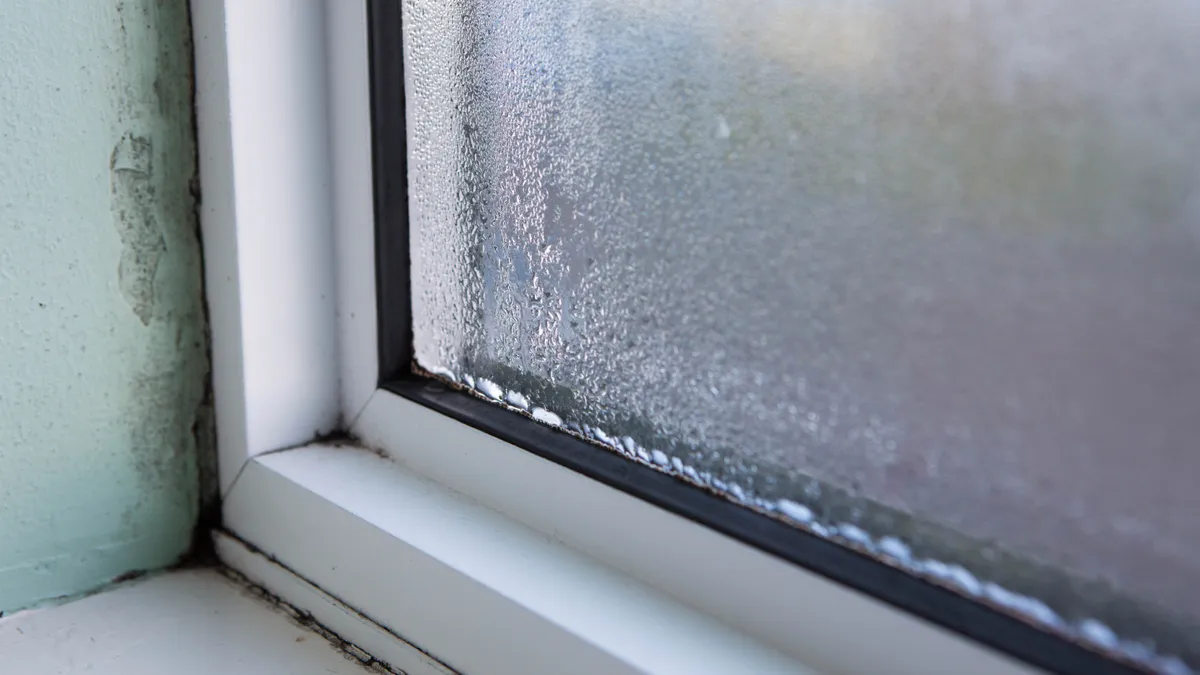
Condensation is the most common type of damp. It happens when warm, moisture-filled air hits a cold surface like a window or external wall, and turns into water droplets. You'll recognize it by droplets on windows or mirrors, black mould on walls or window frames, and damp patches in corners or behind furniture.
A musty smell in bedrooms or wardrobes is another telltale sign. Everyday activities like cooking, showering, drying clothes indoors, and even breathing add significant moisture to indoor air. Without ventilation, that moisture condenses on the coldest surfaces in your home.
Ventilate rooms, also known as "house burping" by cracking a window for 10-15 minutes a day, particularly after cooking or showering to let moist air escape. Where available, keep trickle vents open.
Furniture placement is so important. When I moved into a new flat, I bought drawers from IKEA and placed them against my bedroom wall. Six months later, I moved the drawers and the back was covered in mold. Moisture had been trapped between the cold external surface and the furniture.
Pull furniture slightly away from external walls, especially ones that face outside. Even a few inches of space allows air to circulate and prevents moisture from becoming trapped.
A dehumidifier can help in problem rooms, and if you're shopping around, we've tested the best ones. It's important to note, however, a dehumidifier treats the symptoms rather than the cause — proper ventilation is essential for preventing condensation long-term.
2. Penetrating damp

Penetrating damp happens when water enters from outside through walls, roofs, or around windows. It's typically caused by building defects or lack of maintenance —blocked gutters, missing roof tiles, cracked brickwork, or damaged seals around windows and doors.
Localized damp patches that worsen after rain are the main indicator. You might also see blistered or bubbled plaster, peeling paint, and discoloration on internal walls or ceilings. This type commonly appears on southwest-facing walls where wind-driven rain hits hardest.
Clear blocked gutters and downpipes so rainwater drains properly away from your home. Check roof tiles and flashing for visible damage, and inspect seals around windows and doors. Look for cracks or gaps in external walls, as even small cracks can let significant water in during heavy rain.
Do these checks throughout the year if possible. Simple fixes like clearing gutters are straightforward DIY tasks, but complex issues like porous brickwork or structural cracks will need specialist help.
3. Rising damp

Rising damp is the rarest type. It happens when groundwater rises through walls because the damp-proof course, the barrier designed to stop this, isn't working properly or is absent.
A visible "tide mark" along the bottom of walls is the clearest sign. You'll also see peeling wallpaper or flaking paint near floor level, crumbling plaster, and white salt deposits on walls. Damp patches remain fairly constant and don't change much with weather conditions, unlike penetrating damp which worsens after rain.
Rising damp is confined to lower parts of ground-floor walls and doesn't affect upper rooms. The tide mark appears because water evaporates at a certain height, leaving mineral salts behind that damage plaster and prevent paint from adhering.
Rising damp requires professional assessment and isn't a DIY fix. Treatment involves work on the damp-proof course and replacing damaged plaster. Misdiagnosis is common — what looks like rising damp can be penetrating damp or condensation. Get a professional assessment before attempting any fixes.

Follow Tom's Guide on Google News and add us as a preferred source to get our up-to-date news, analysis, and reviews in your feeds. Make sure to click the Follow button!
More from Tom's Guide