Stink bugs invade homes during winter, searching for warmth as temperatures drop. They're cold-blooded insects that can't survive freezing weather, so they squeeze through tiny gaps around windows and doors looking for shelter. Once inside, they gather near heat sources and become a persistent nuisance.
If you disturb or crush stink bugs, they release a foul-smelling odor that's difficult to eliminate. Most people try sealing entry points or try removing them one by one, but there's a much simpler solution. Essential oils, particularly mint and clove, effectively repel these pests, creating a natural barrier that keeps them away for good.
1. Why stink bugs enter your home in winter

Stink bugs spend warm months outdoors feeding on plants, fruits, and crops in gardens and agricultural areas. They're herbivorous insects that thrive in temperatures above 60°F, actively eating and reproducing throughout spring and summer.
Winter changes everything. As cold-blooded insects, stink bugs can't generate their own body heat. When outdoor temperatures significantly drop, they become sluggish and search for protected spaces to wait out the cold. This survival instinct drives them toward structures that radiate warmth — like your home.
They enter through surprisingly small openings: cracks around window frames, gaps under doors, torn window screens, attic vents, and chimney openings. Once inside, they cluster near heat sources, typically around windows where sunlight enters, near heating vents, or in attics where warm air rises.
The brown marmorated stink bug, an invasive species widespread across the U.S., is particularly persistent. Unlike native stink bugs that occasionally wander indoors alone, this species actively seeks shelter in groups, which is why you often see multiple stink bugs at once rather than just one.
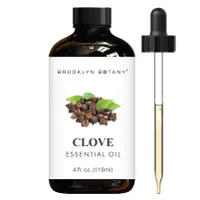
2. How to repel stink bugs

Mint and clove essential oils effectively repel stink bugs. These scents interfere with the insects' ability to navigate and make treated areas unappealing. Both oils are safe for use around pets and children when properly diluted.
Fill a spray bottle with water and add 10-15 drops of mint essential oil or clove essential oil. You can use either individually or combine both for stronger effect. Shake well before each use, as oils don't fully dissolve in water.
To ensure it doesn't stain any surfaces, test the spray on a small area first. The mixture stays effective for several weeks when stored in a cool, dark place.
Spray around window frames, door frames, and screens — all the primary entry points stink bugs use. Apply a light, even mist to both interior and exterior sides if possible. Two or three sprays per window or door frame is sufficient.
If you've treated exterior surfaces, make sure to reapply every few days, or after rain. The scent will dissipate over time, so regular reapplication will maintain its effectiveness.
If you've spotted stink bugs clustered inside, spray areas where they congregate — typically near windows or high on walls where warmth accumulates. The scent will encourages them to leave.
3. Other prevention methods

While mint and clove oil repel stink bugs effectively, combining this with other prevention creates stronger defense:
- Seal entry points: Inspect your home for gaps and seal with weather stripping, caulk, or replacement screens. Check around windows, doors, vents, and where utilities enter.
- Destroy egg masses: Remove stink bug egg clusters from vegetation near your home. They lay eggs on undersides of leaves, so removing these reduces the population.
- Remove without crushing: Use a cup or jar to catch stink bugs and release them outside, or vacuum them up. Crushing releases the foul odor. Empty vacuum canisters immediately.
- Turn off outdoor lights: Lights attract stink bugs at night during peak season, drawing them closer to entry points.

Follow Tom's Guide on Google News and add us as a preferred source to get our up-to-date news, analysis, and reviews in your feeds. Make sure to click the Follow button!
More from Tom's Guide
- 5 expert tips to keep stink bugs out of your house
- Keep ladybugs and asian beetles from invading your home
- Centipedes in your home are a warning sign — here's how to stop them