We’ve recently been impressed by the performance of the Intel Panther Lake-powered Asus Zenbook Duo (2026) and Samsung Galaxy Book 6 Pro. While these are some of the best Windows laptops we’ve reviewed, we’ve largely been in the dark about their respective pricing. Unfortunately, if a new report is true, it seems these and other Panther Lake laptops could be pretty expensive.
That’s according to YouTuber Moore’s Law is Dead, who claims that his sources have told him Panther Lake laptops could cost more than $2,400. While the ongoing “RAMageddon” crisis is certainly a factor, it appears the main culprit is the high cost of manufacturing Intel’s high-end chips. Regardless, it seems our wallets might be in for a rough time.
The high cost of the 18A node

According to "Moore's Law is Dead," the primary reason for the potential price hike is the Intel 18A process node. This is Intel’s most advanced manufacturing process to date, and as is usually the case with brand-new bleeding-edge tech, it’s not cheap to produce.
Intel is essentially betting the farm on 18A to reclaim its performance crown from Apple and AMD. However, the report suggests that Intel is passing those high development and production costs directly to the OEMs (laptop makers), who will inevitably pass them on to us.
Is Intel’s affordability promise dead on arrival?

This leak is frustrating because Intel had previously said that Core Ultra Series 3 laptops would be a "complete reimagining of affordability."
However, we’ve already seen signs that this might not be the case. Samsung recently confirmed that the Galaxy Book 6 Pro could see a 20% price hike. If Moore's Law is Dead is right, we’re looking at a market where "premium" could be the new standard.
The "No GPU" trade-off

One reason Intel might justify a higher price tag for Panther Lake is the sheer power of its integrated graphics. As we’ve seen during our testing of Panther Lake laptops, these machines deliver exceptional performance—especially for gaming, which is astonishing given that Intel’s chip uses integrated graphics.
To that end, Intel’s angle might be that because Panther Lake can handle high-end gaming and AI tasks without needing a dedicated (and expensive) Nvidia or AMD chip, the overall laptop price is "fair." But for users who just want a high-performance productivity machine at a reasonable price, that’s a tough pill to swallow.
The RAMageddon factor
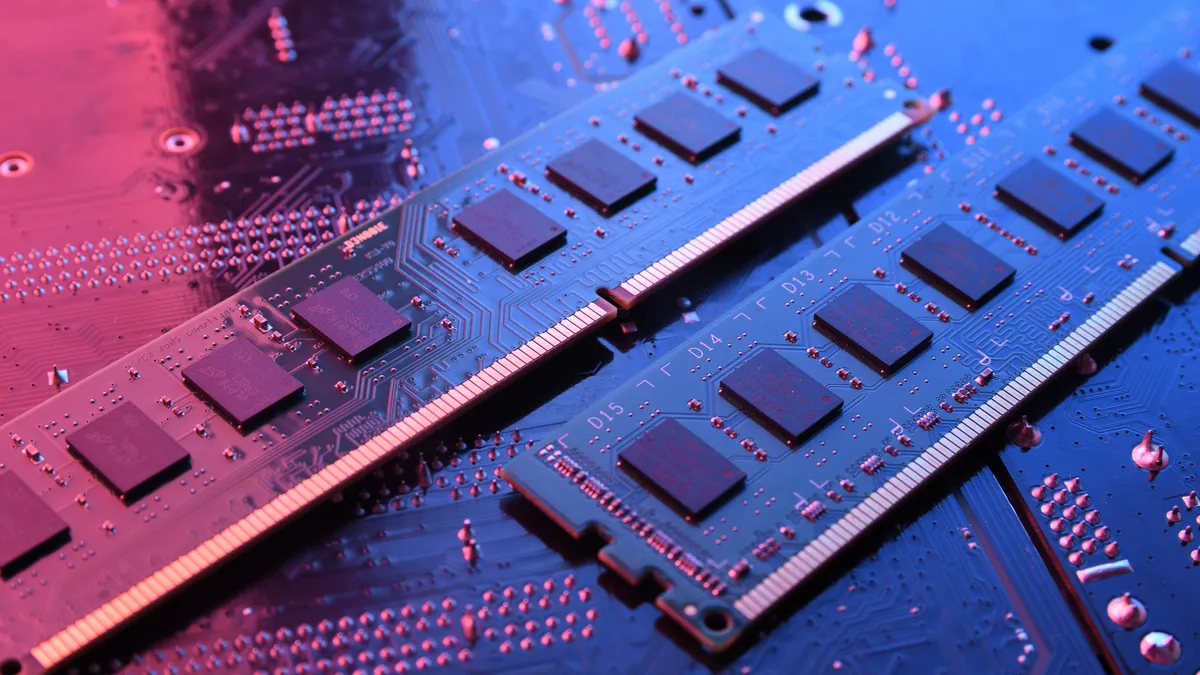
Of course, I can’t ignore the persistent elephant in the room — the global RAM crisis.
Intel previously suggested that laptop makers sitting on 9 to 12 months of stock might be the key to surviving the price spikes. However, Panther Lake, like Lunar Lake before it, uses an "on-package" memory design. This means the RAM is baked directly onto the processor.
While this makes the laptop thinner and more efficient, it also means you can’t buy an entry-level model and upgrade the RAM later. You’re locked into Intel’s pricing for that memory from day one—right in the middle of a global shortage.
Outlook
If these leaks are accurate, 2026 is shaping up to be a year where "budget-friendly" laptops become a rare species.
Between the costs of the 18A node, the integrated memory design, and the general inflation of the hardware market, Panther Lake might be a performance beast, but it’s going to cost us.

Follow Tom's Guide on Google News and add us as a preferred source to get our up-to-date news, analysis, and reviews in your feeds.
More from Tom's Guide