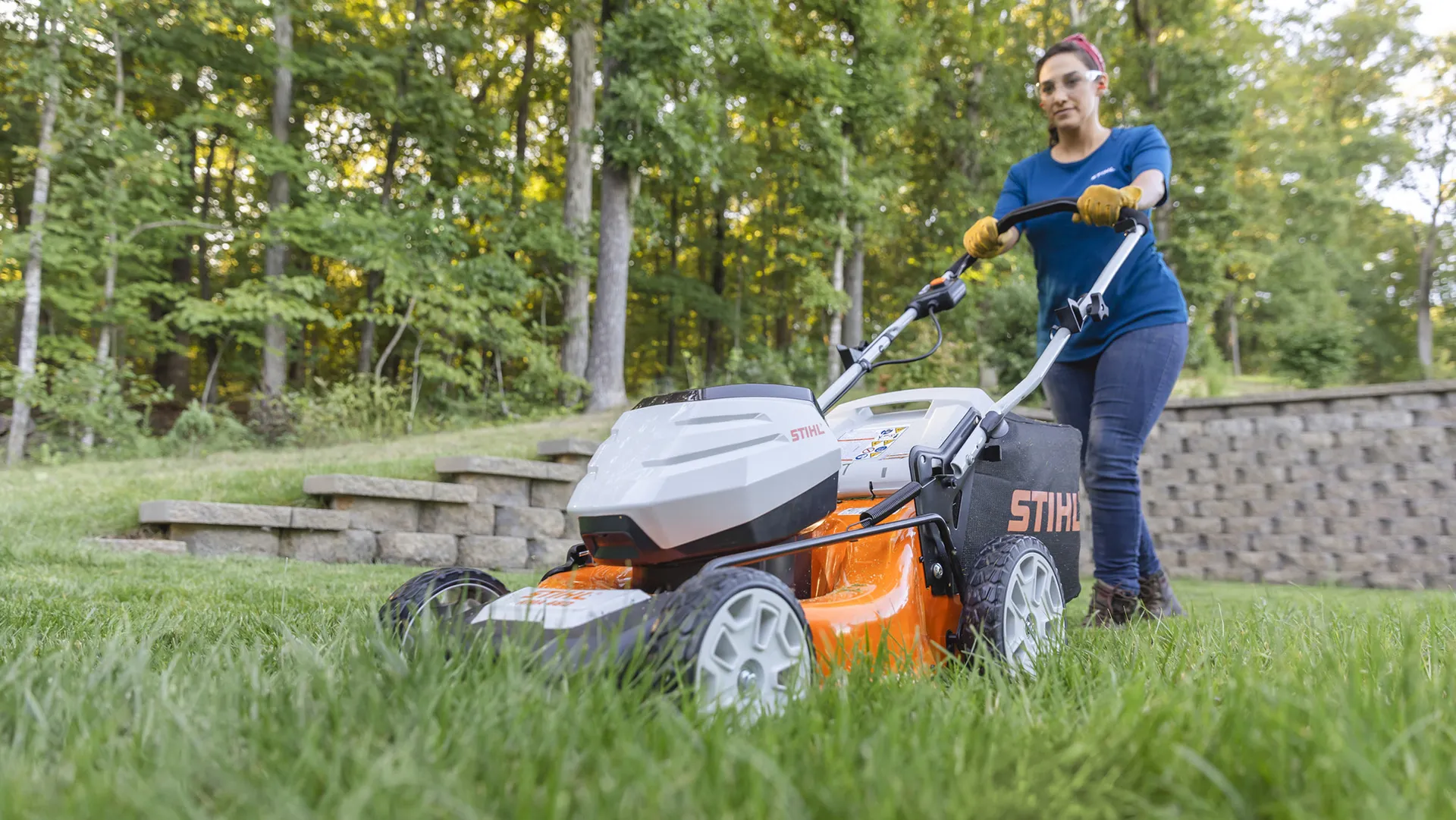
With the warmer temperatures, your lawn has come out of dormancy and will need regular mowing. And although it’s tempting to get outside in the fresh air and trim those green blades back, you could be unintentionally ruining your prized patch.
Instead of being proud of a beautiful, lush and healthy-looking lawn, you could be making a big lawncare mistake and mowing your lawn too much or too little. What's more, it's a budget-friendly lawn-care hack that won't cost you a dime.
Why over-mowing is bad for your lawn
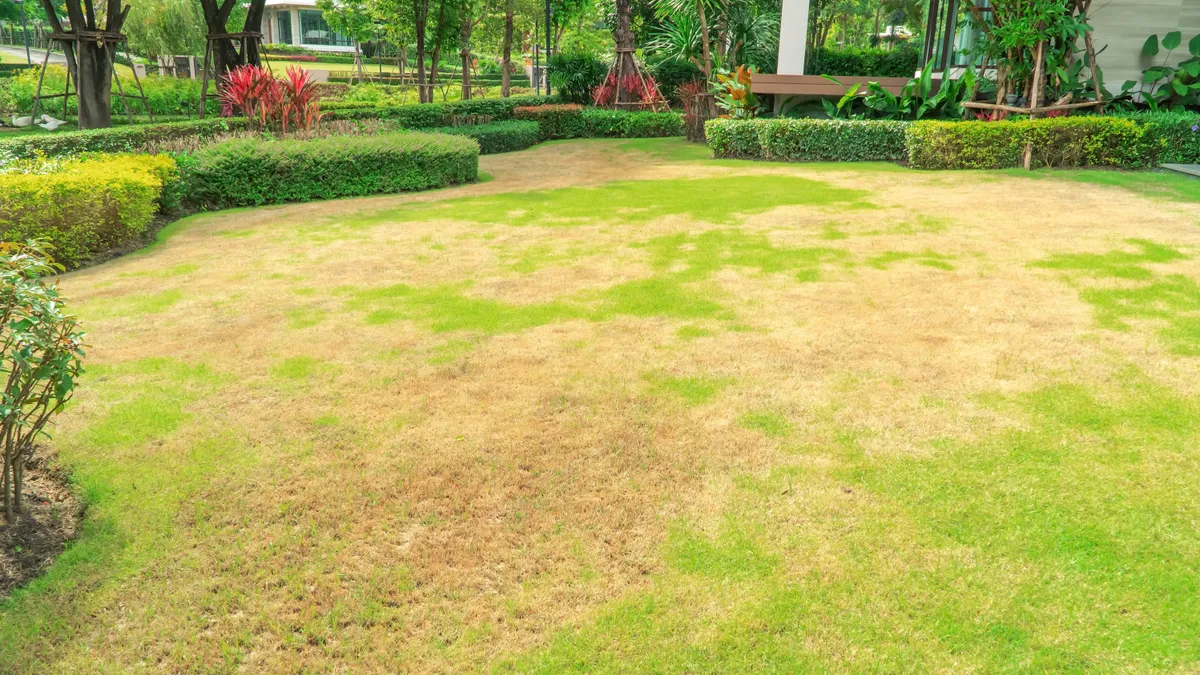
“Over-mowing puts your lawn under real stress. When too much of the blade is removed at once, the grass loses a large portion of the surface it uses to produce energy,” explains Sarah Bendrick, landscape contractor, TV personality and spokesperson at STIHL. “That weakens the plant and slows down both top growth and root development.”
If you cut your grass too short, your lawn won’t react favorably, and you’ll often see browning, thinning, and patchy areas. She also adds that it will become susceptible to weeds, disease, and drought.
What happens if you don’t mow enough?
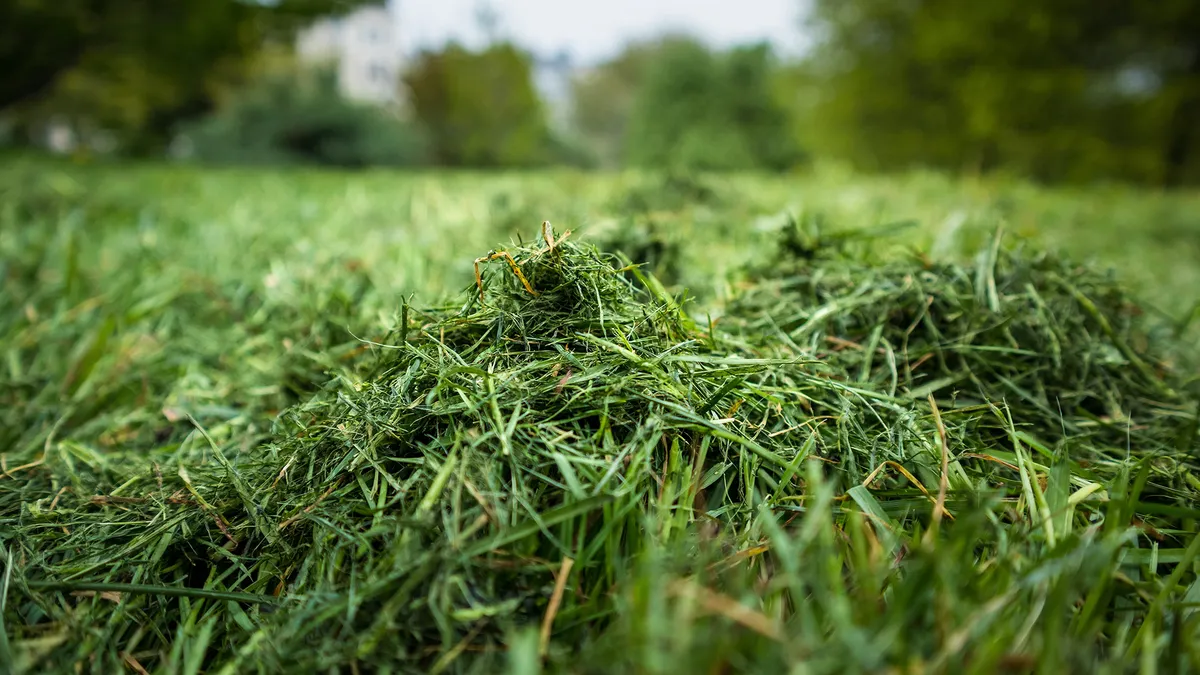
Despite the problems caused by over-mowing your lawn, leaving it too long between cuts can also upset the balance.
“The grass can grow tall and uneven, and the lower portions get shaded out and start to thin,” says Bendrick.
“When you finally mow, you usually end up taking off too much at once, which shocks the lawn and can leave it looking brown and stressed. It can also produce heavy clippings that sit on top of the lawn, blocking sunlight and airflow.”
It seems there’s a fine line between getting the cut just right and achieving the Godilocks moment.
Will it cause long-term damage to your lawn?
Luckily, Bendrick shares that in most cases, the damage starts as short-term stress. “A healthy lawn can bounce back if you correct your mowing habits quickly.”
But if you continue to mow your lawn too often or not enough, it can turn into a long-term problem. “You may end up with weaker roots, thinner turf, and a lawn that struggles with weeds, pests, and disease throughout the season.”
How to fix an over-mown lawn
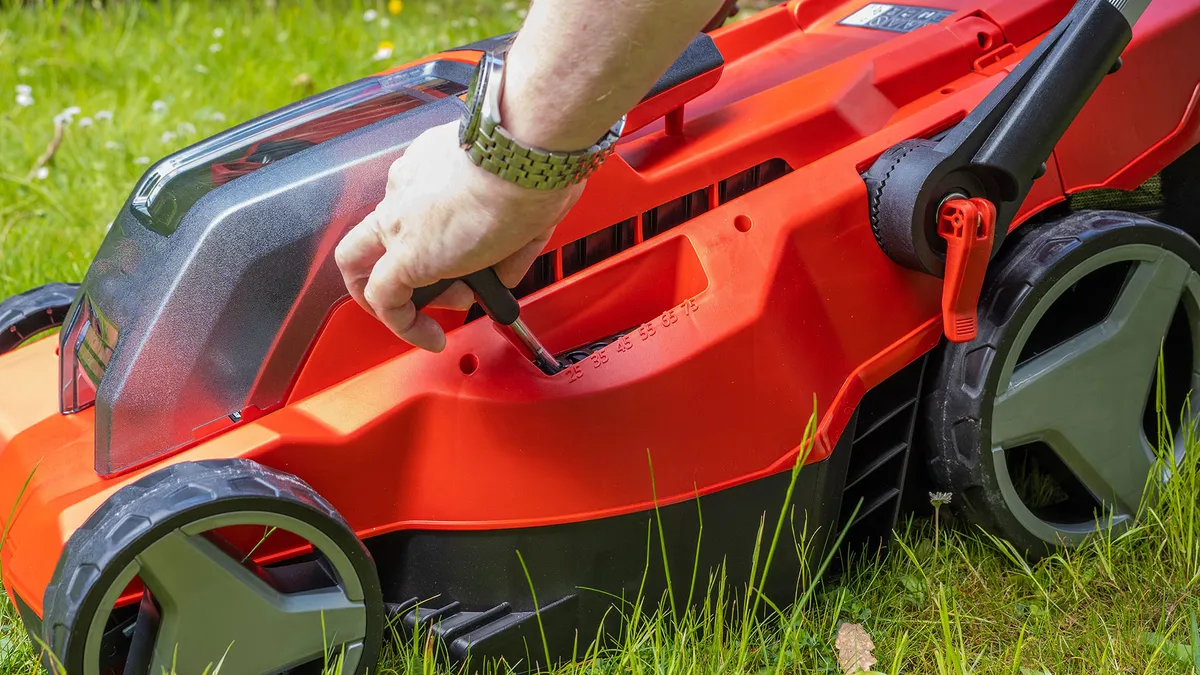
The best way to correct an over-mown lawn is to be patient and slow things down. Bendrick suggests, “Raise your mower height and follow the one-third rule, only removing a small portion of the blade with each cut. Give the grass time to rebuild its strength between mows.”
Apart from adjusting how you mow your lawn, Bendrick says that your lawn will benefit from consistent watering and a light feed.
What’s more, removing debris and keeping the edges of your lawn tidy will also improve air flow and overall health.
How to care for an overgrown lawn

Just like when dealing with a lawn that’s been cut too much, you also need to exercise patience when dealing with long blades.
Instead of mowing the grass short in one go, Bendrick says you should bring the height down in stages. “Start with a higher mower setting and gradually lower it over a series of cuts, always sticking to the one-third rule. This prevents shock and reduces the risk of browning.”
Once you’ve mown your lawn, she suggests removing the clippings if they are heavy, or raking them over, so they don’t smother the grass below.
How often should you mow your lawn?
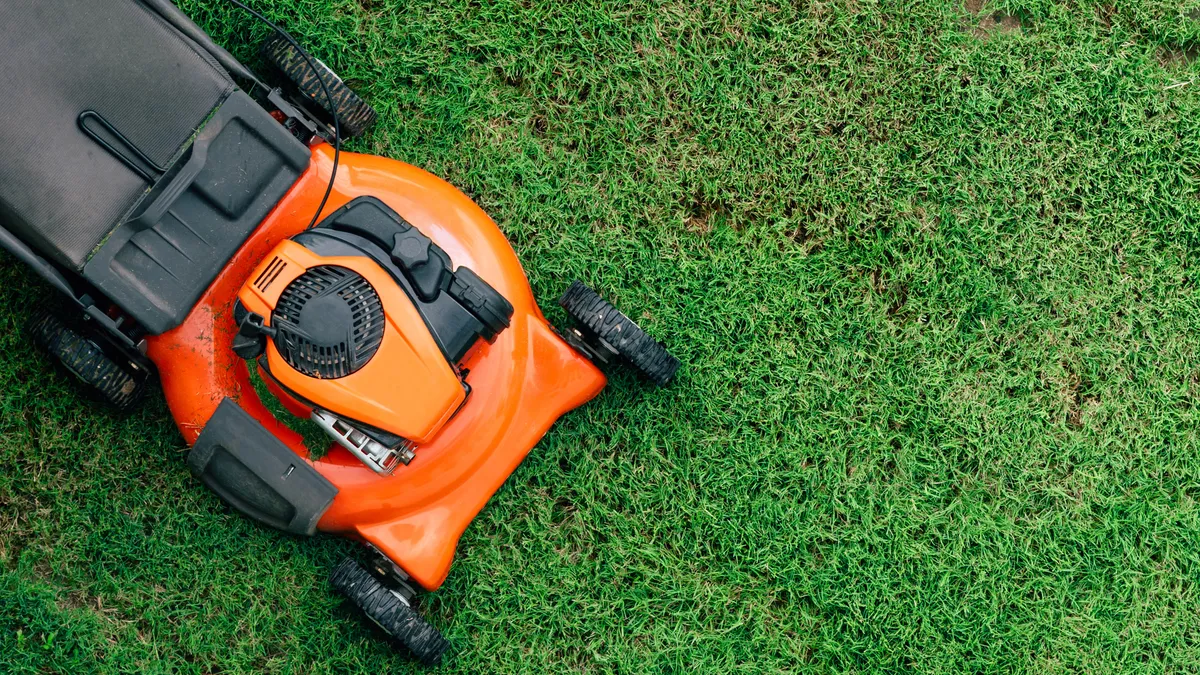
“Mowing frequency is less about the calendar and more about how fast your lawn is growing,” says Bendrick.
Mowing frequency is less about the calendar and more about how fast your lawn is growing
There are three elements that count — weather, rainfall, and grass type. But as a general rule she says most lawns do well when maintained around 2.5 to 3 inches in height, though that can vary by species.
“A good rule is to mow before the grass gets excessively tall, rather than waiting until it becomes overgrown. During peak growing periods, that often means mowing about once a week, and less often when growth slows,” she explains.
What adjustments can you make to encourage a thriving lawn?

A strong lawn doesn’t happen overnight. Bendrick says it comes from consistent, thoughtful care. Here she shares her top four tips for a thriving lawn.
1. Keep your mower blades sharp so you are cutting cleanly rather than tearing the grass.
2. Mow at the proper height for your grass type and avoid removing too much at once.
3. Water deeply but not too frequently to encourage deeper roots.
4. Seasonal fertilization, along with practices like aeration and overseeding, can help keep the lawn dense and resilient.
By staying on top of these four basic lawn care tasks, Bendrick says your lawn should be better equipped to handle stress and maintain a healthy, even appearance.
Lawncare essentials we love

Follow Tom's Guide on Google News and add us as a preferred source to get our up-to-date news, analysis, and reviews in your feeds. Subscribe to Tom's Guide on YouTube and follow us on TikTok.
More from Tom's Guide