Winter means mice season. When outdoor temperatures drop, rodents start looking for warm places to nest, and your home becomes prime real estate. Kitchens, basements, and wall cavities offer everything mice need: warmth, shelter, and easy access to food.
Most people immediately buy traps or poison when they spot droppings or hear scratching in the walls. But if you'd rather prevent mice from entering in the first place, there's a bathroom staple that works surprisingly well as a natural deterrent: Epsom salt. As long as you don't have an existing infestation, Epsom salt works as an effective barrier. Here's how to use it.
Why Epsom salt works as a mouse repellent
Epsom salt is magnesium sulfate, a mineral compound sold in pharmacies and supermarkets for bath soaks and muscle pain relief. It's inexpensive, widely available, and completely different from table salt.
Mice avoid Epsom salt because of its bitter taste and unpleasant smell. When rodents encounter it while exploring potential entry points, the scent triggers avoidance behavior. They won't cross barriers of Epsom salt unless they're desperate for food or shelter.
This makes it useful for prevention but not elimination. Epsom salts won't chase away mice already nesting in your attic or crawl spaces. It works by discouraging new mice from entering, which is ideal if you're trying to mouse-proof your home before winter fully sets in.
The major advantage over poison is safety. Epsom salt won't harm pets, children, or wildlife if they encounter it outdoors. Rodent poison, by contrast, poses serious risks to any animal that ingests it, including dogs, cats, and birds of prey that might eat poisoned mice.
How to use Epsom Salt to repel mice
1. Identify entry points around your home

Walk around the exterior of your home and look for potential entry points where mice might enter. Mice can squeeze through openings as small as a dime, so even tiny gaps are worth noting.
Check for gaps around doors and windows, cracks in the foundation, openings where pipes or wires enter the building, and spaces around vents or utility connections. .
Focus on ground-level areas where mice typically travel. Basement windows, garage doors, ground-floor vents, and areas where the foundation meets the ground are common access points.
If you find any droppings, gnaw marks or greasy smudge marks along the walls, that's a sure sign of existing mouse activity.
3. Maintain and refresh salt barriers

Sprinkle Epsom salt heavily around the entry points you've identified, creating a continuous barrier. The salt needs to be thick enough that mice would have to walk through it to access your home. Focus particularly on ground-level openings and areas where you've seen signs of mouse activity.
Inside your home, place shallow dishes or bowls of Epsom salt in strategic locations. Basements, garages, under sinks, near water heaters, and in storage rooms work well. The salt releases its scent into the surrounding air, making these spaces less attractive to rodents looking for places to nest.
Combine Epsom salt with physical barriers for better protection. Seal cracks with caulk or expanding foam. Stuff steel wool into larger gaps as mice can't chew through it. Fix damaged weather stripping around doors.
These measures work together to create multiple layers of defense against rodent entry.
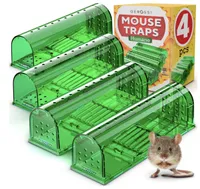
3. Set humane traps for safe removal

Check your Epsom salt barriers regularly and refresh them as needed. Rain and snow dissolve the salt quickly, especially outdoor applications. After wet weather, reapply salt to maintain effective barriers around entry points.
Indoor bowls of salt last longer than outdoor barriers but should still be refreshed monthly or whenever the salt appears damp or clumped.
Weather significantly affects how well this method works, so consistency matters. If maintaining outdoor barriers becomes impractical due to constant rain or snow, focus your efforts on indoor applications and combine them with other prevention methods like sealing entry points and setting traps.

Follow Tom's Guide on Google News and add us as a preferred source to get our up-to-date news, analysis, and reviews in your feeds. Make sure to click the Follow button!
More from Tom's Guide