Spotting a centipede scurrying across your bathroom floor or basement wall is... unsettling, but the real problem isn't the centipede itself. Centipedes are predators that hunt other insects, which means if they're in your home, they're there because they've found prey.
Here's what centipedes are actually telling you about your home and how to eliminate both them and the pests they're hunting.
1. Why centipedes enter your home

Centipedes are predatory insects that actively hunt other bugs, and they only enter homes where prey is available. If you're seeing centipedes, you likely have populations of ants, spiders, silverfish, or roaches somewhere in your house that you haven't noticed yet.
Centipedes are also drawn to moisture and humidity, particularly in bathrooms, kitchens, and basements where dampness attracts the insects they eat. They prefer dark, undisturbed spaces since they're nocturnal and sensitive to light, which is why you often find them hiding under sinks, near drains, or in cluttered storage areas.
2. Signs you have a centipede problem

Seeing one or two centipedes occasionally doesn't necessarily mean you have an infestation, especially in older homes with basements. But if you're spotting them frequently, that's a clear sign of a bigger issue.
Look for translucent centipede moltings, which are shed exoskeletons that look like dull, lifeless versions of the bug. These indicate centipedes are growing and thriving in your home because they're finding enough food.
If you see several centipedes grouped in one area, they've likely found a concentrated food source or comfortable shelter there. The most important warning sign is the presence of other pests — if you've noticed ants, roaches, or silverfish around your home, centipedes are probably hunting them.
3. Eliminate centipedes by removing their prey

The most effective way to get rid of centipedes is eliminating the insects they're hunting. Keep your home clean and clutter-free, wipe up food crumbs immediately, and don't leave dirty dishes sitting out. Vacuum regularly to remove insects and their eggs, especially in corners, under furniture, and along baseboards where bugs hide.
Seal cracks and crevices around windows, doors, and foundation walls to prevent insects from entering in the first place. Store food in airtight containers and take out garbage regularly.
If you're dealing with specific pest problems like ant trails or roach sightings, treat those infestations directly with appropriate methods. Once you remove the centipede's food source, they have no reason to stay in your home.
4. Reduce moisture and seal entry points
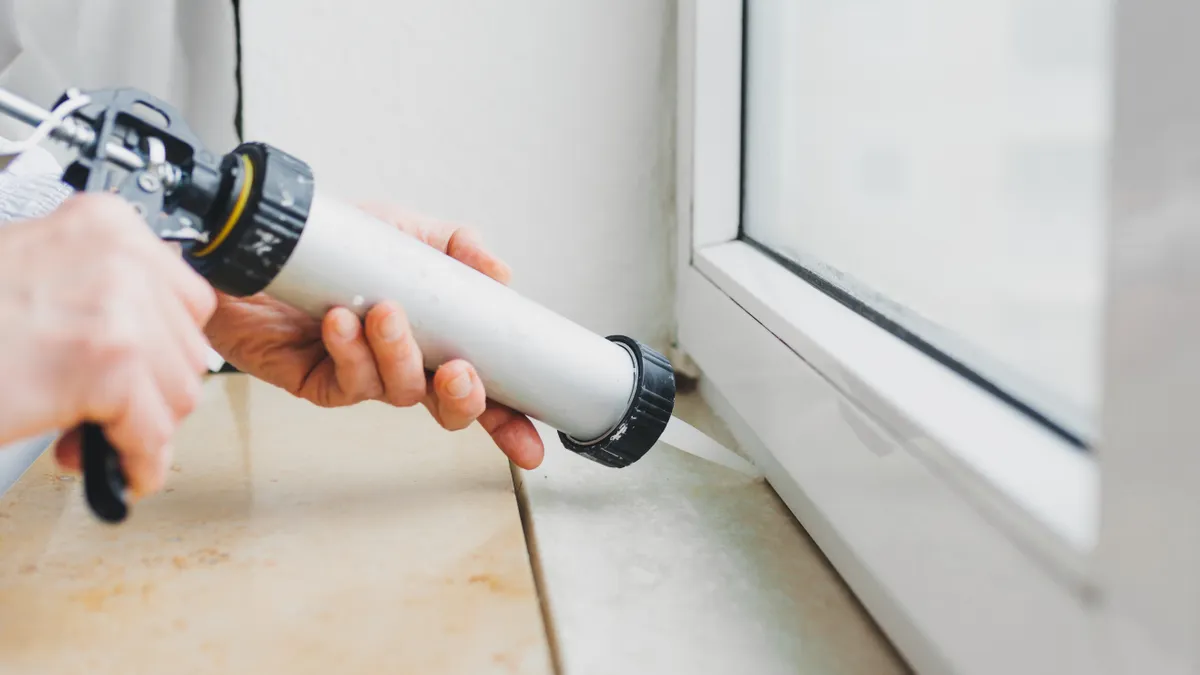
Centipedes thrive in humid environments, so use dehumidifiers in basements and bathrooms, fix water leaks immediately, and clean out gutters to prevent pooling. Improve ventilation in crawl spaces and attics where humidity builds up. The drier your home, the fewer insects it attracts, which means fewer centipedes.
Sealing entry points is crucial to keeping both centipedes and their prey out of your home. Use caulk or weatherproof sealant to close cracks in your foundation, gaps around pipes and wires, and spaces around windows and doors.
5. Use a natural deterrent

For a natural centipede deterrent, sprinkle food-grade diatomaceous earth in areas where you've seen centipedes or their prey. This non-toxic powder isn't harmful to humans or pets but kills insects by damaging their exoskeletons when they crawl over it.
You can also mix vinegar, dish soap, water, and diatomaceous earth into a spray for treating specific areas, though eliminating moisture and food sources is always more effective than treating centipedes directly.


Follow Tom's Guide on Google News and add us as a preferred source to get our up-to-date news, analysis, and reviews in your feeds. Make sure to click the Follow button!
More from Tom's Guide
- 7 natural ways to keep centipedes away from your home
- Those aren't friendly ladybugs in your house — how to repel Asian beetles
- Keep roaches out for good! 7 tips for a pest-free kitchen