As winter moves towards spring and temperatures start rising, ladybugs that spent the cold months sheltering indoors begin waking up and become active again. But what seemed like a few harmless insects hiding in corners during winter can suddenly become visible as hundreds emerge from wall voids, attics, and window frames looking for a way back outside.
The issue is that not all of these insects are harmless native ladybugs. Many are Asian lady beetles — invasive lookalikes that behave far more aggressively. They release foul-smelling yellow fluid when threatened, leave stains on curtains and walls, and occasionally bite if handled. Knowing which you're dealing with determines how concerned you should be and how you should remove them.
Here's how to tell the difference between ladybugs and Asian beetles, and how to get them out of your house safely.
How to tell ladybugs and asian beetles apart

Native ladybugs are smaller, more docile insects with rounded bodies and vibrant red coloring with distinct black spots. They rarely gather in large numbers inside homes and don't emit odors or stain surfaces. These beneficial insects primarily stay outdoors where they feed on garden pests like aphids.
Asian lady beetles, on the other hand, were introduced to North America as pest control but have become invasive. They're slightly larger with more oval-shaped bodies and coloring that ranges from orange to red. The easiest way to identify them is by the distinctive M-shaped (or W-shaped, depending on perspective) marking on the white area behind their heads.
Unlike native ladybugs, Asian lady beetles are aggressive home invaders, often gathering by the hundreds in wall voids, attics, and around windows. They emit a foul odor when disturbed, leave yellowish stains on surfaces, and can even deliver a mild pinching bite if handled.
If you're seeing large numbers clustered together, they're almost certainly Asian beetles rather than native ladybugs. Native species don't swarm or gather in masses the way Asian beetles do during post-winter emergence.
How to remove ladybugs and Asian beetles
1. Vacuum them up gently
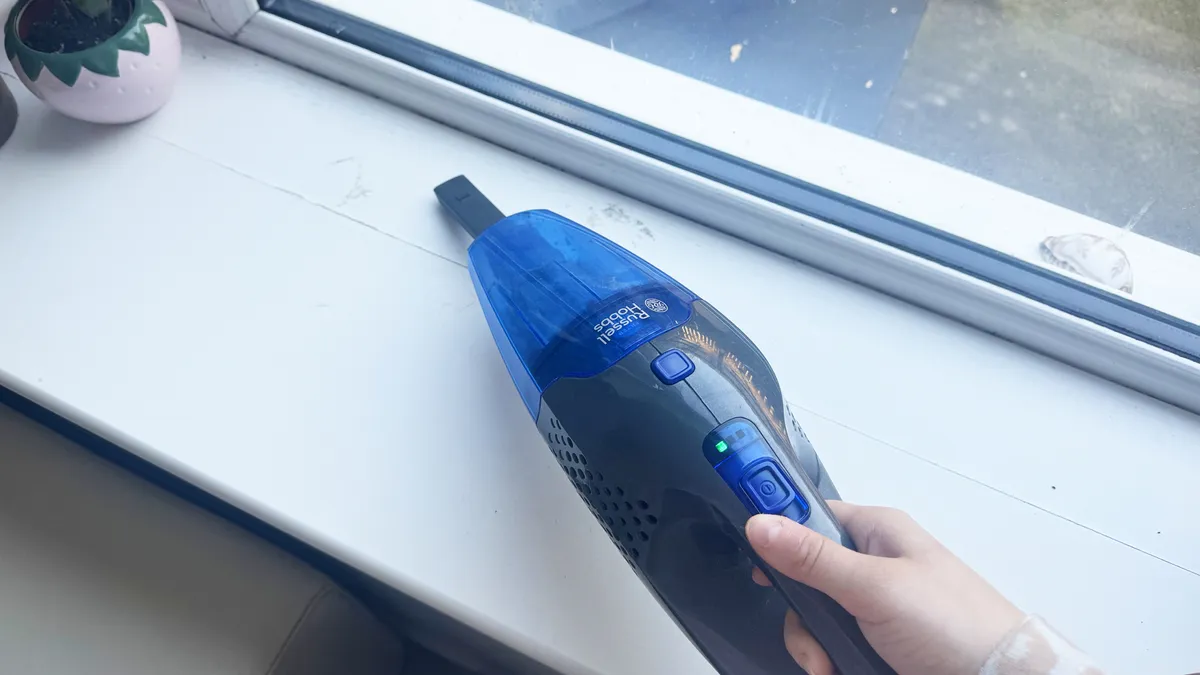
The most effective removal method is vacuuming. Use a vacuum with a hose attachment to gently collect insects from windowsills, walls, and ceilings. Empty the vacuum bag or canister immediately into a sealed plastic bag.
For native ladybugs you want to release unharmed, use the sock method: Place a clean knee-high stocking or sock over the end of the vacuum hose and secure it with a rubber band. The sock acts as a barrier that catches ladybugs before they reach the vacuum bag, preventing injury. When you're done, carefully remove the sock with the ladybugs inside and release them far from your house — at least 20 feet away in your garden or a nearby park.
For Asian beetles, vacuum normally and either release them far away or dispose of the sealed bag in outdoor trash.
Don't crush either species. Crushing releases the foul-smelling yellow defensive fluid and creates stains on walls and fabrics. Asian beetles are particularly notorious for this secretion, but even native ladybugs produce small amounts when threatened.
2. Guide them outside with light

Both species are attracted to light. Open a window in a room where insects are gathering, turn off interior lights, and let natural daylight guide them toward the exit. This works best on sunny, warmer days when insects are naturally motivated to leave.
For stubborn clusters, place a lamp near an open window in an otherwise dark room. The light draws them toward the opening. This passive method works slowly but avoids direct handling and the risk of triggering defensive fluid release.
Check windows periodically and keep them open during warm afternoon hours when insects are most active and likely to fly toward light and escape outdoors.
3. Use a catch-and-release method

For larger infestations, create a simple light trap. Place a lamp with an LED bulb over a shallow pan of soapy water in a dark room. Insects attracted to the light fall into the water. Check frequently (every few hours) so you can release live native ladybugs outside before they drown, if you so wish.
For Asian beetles, you can let the soapy water humanely dispatch them rather than releasing invasive species back into the environment. This is a judgment call based on how aggressive your local Asian beetle population is.
This method works overnight when insects are most active. Empty the trap in the morning and repeat as needed until emergence slows, which typically happens once outdoor temperatures stabilize.
Why they invade homes
Neither ladybugs nor Asian beetles breed or feed indoors. They purely seek shelter from winter cold and emerge again in spring when temperatures rise. In their native habitats, they hibernate in rock crevices and tree bark. Modern homes with siding, window frames, and attic vents provide similar protected spaces.
Asian beetles are particularly problematic because they release pheromones that signal other beetles to the same location. One beetle finding shelter in your wall can attract hundreds more, which is why you see massive clusters rather than individual insects.
The insects emerging now have been in your walls for months. Removing them as they wake up and sealing entry points before next fall prevents the cycle from repeating. We have a thorough ladybug and asian beetle prevention guide that can help you repel them for next year.


Follow Tom's Guide on Google News to get our up-to-date news, how-tos, and reviews in your feeds. Make sure to click the Follow button.
More from Tom's Guide