Whenever I clean out the filter on my clothes dryer, I always save the lint rather than discard it. As a gardener, I know that it can serve a purpose in my backyard, and I always add it to my compost. Regularly removing dryer lint from your clothes dryer also helps prevent the risk of fire.
I already reuse this fluffy deposit to enrich my soil, but it also has other uses, such as helping suppress weeds, deter pests, and even clean garden tools.
And if you’re into gardening like me, you're probably eager to recycle where you can. You’ve probably already heard of the no-dig garden method, which involves covering your soil with cardboard before adding a layer of compost. Similar to using dryer lint in your yard, it takes a leftover household waste and reuses it in a clever way.
Why is dryer lint good for your garden?
Dryer lint that contains natural fibers, such as those from cotton and wool, can be used in your yard. However, avoid using anything that may contain microplastics from synthetic fabrics, such as polyester and acrylic, as they won’t break down and can harm wildlife. To keep the lint chemical-free, you should also avoid using drying sheets and switch to using natural detergents and clothes softeners.
Next time you run your clothes dryer, instead of discarding the dryer lint, collect it to use in your yard. Here are five ways you can repurpose the fluff.
1. Add to your compost

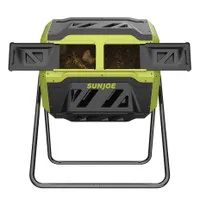
Dryer lint decomposes quickly when mixed into the compost pile. It’s considered a ‘brown’ or ‘carbon’ material, which balances out the ‘green’ material, such as lawn clippings and kitchen scraps.
Composting is a great way to use up organic waste in our homes, while it helps reduce trash and encourages healthy plants.
2. Keep weeds at bay
Just like cardboard can help reduce weeds if you follow the no-dig method, or use a weed barrier cloth, dryer lint can do the same. However, you’ll need to build up a pile before having enough to use, unless you have a compact yard.
For maximum benefit, you’ll need to use between 1 and 2 inches of lint around your plants. This will be enough to stop the light reaching the ground, which weeds adore.
3. Deter slugs and snails
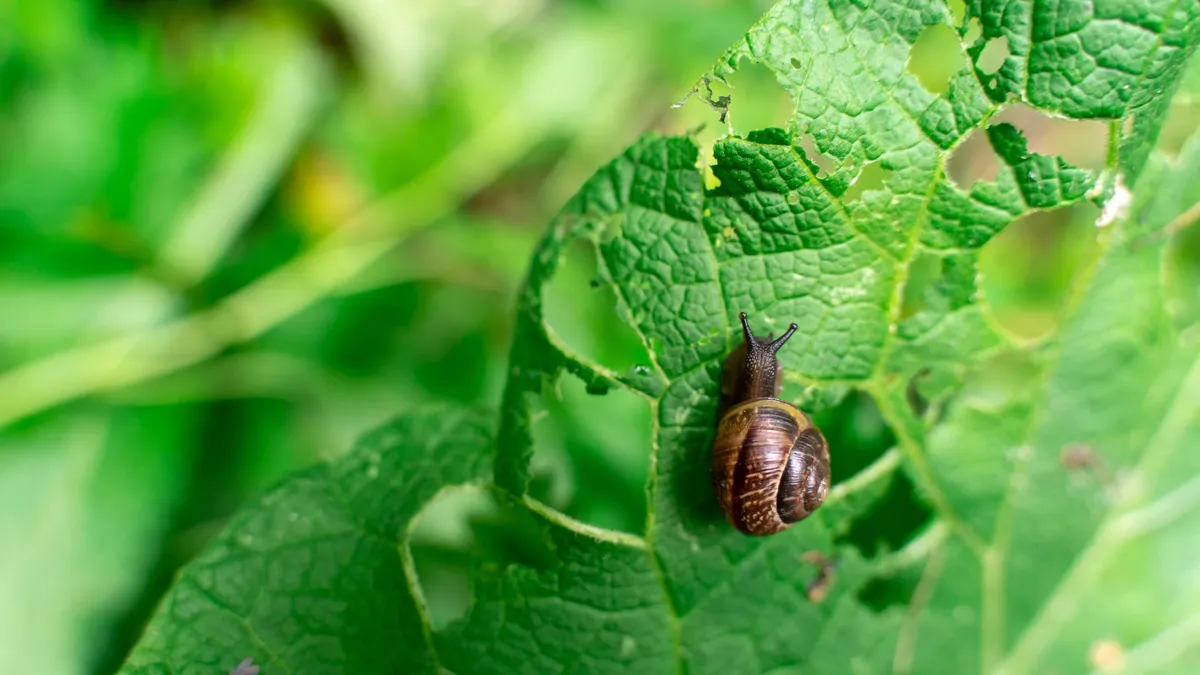
Slugs and snails can be kept at bay by placing a layer of this organic material around the base of plants. It acts as a barrier that makes it hard for these pests to cross, while also drying their skin.
However, it loses its fibrous quality when wet and will need replacing.
4. Mulch your plants
Fluffy lint can also be used to mulch your plants, and when placed on the top of the soil, helps regulate temperature, retain moisture, and reduce weeds. I think it’s ideal to use on houseplants and outdoor containers.
5. Clean up your tools

Rather than using paper towels to clean up your garden tools, such as your best pruning shears, save the waste by swapping to dryer lint.
I’ll be using it to clean and maintain my pruning shears, as it can be used to wipe them over with WD-40 or to add some mineral oil to extend their life. Dryer lint can also be used to maintain other garden tools that also require oiling.

Follow Tom's Guide on Google News and add us as a preferred source to get our up-to-date news, analysis, and reviews in your feeds.
More from Tom's Guide