




If you’re dealing with humidity issues around the home, having one of the best dehumidifiers can work wonders in reducing moisture levels. This is especially the case during colder months when people tend to keep windows closed to stay warm and cozy.
And if you’ve collected a lot of water in your dehumidifier's reservoir, it can seem like a waste to be tipping it all down the drain. One question that often comes to mind is whether you can reuse this water for your houseplants. And more importantly, is it safe to use without harming your beautiful plants and foliage?
Luckily, we’ve called on the experts to help with this and offer their top tips about how to (safely) recycle dehumidifier water.
Can you use dehumidifier water on your houseplants?
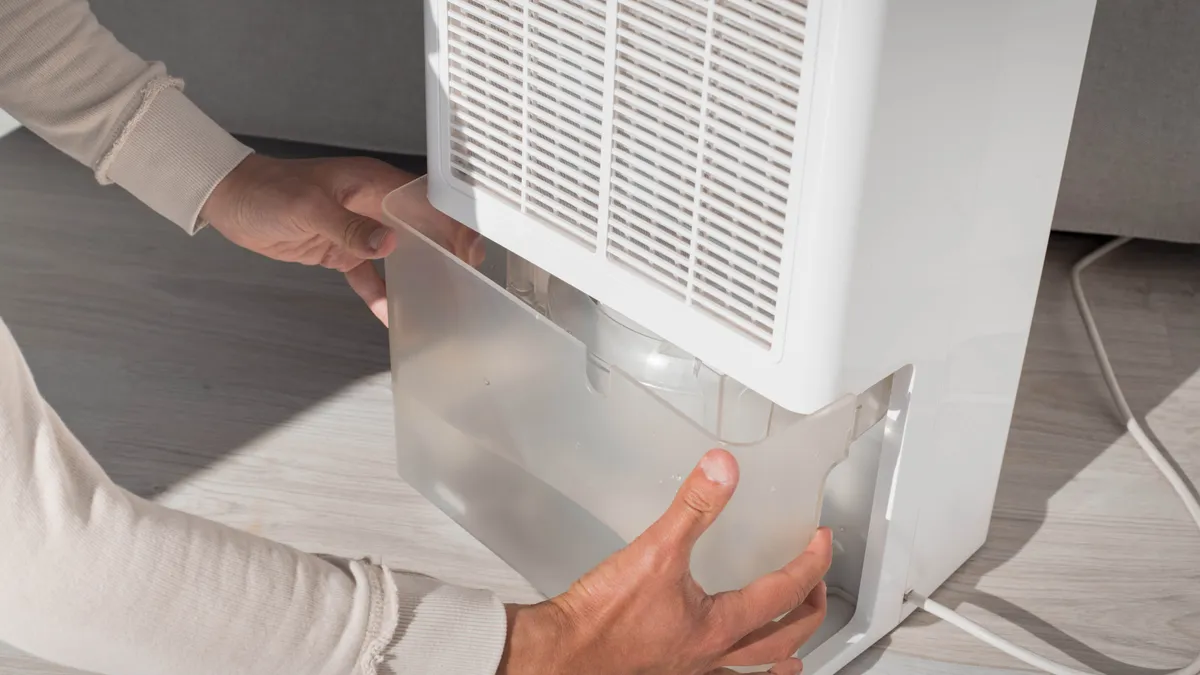
The general consensus is that reusing dehumidifier water is fine on most non-edible plants, since the water is not suitable for human consumption. However, if your houseplants have an existing fungal disease, watering your plants with this form of gray water isn’t advisable.
“Usually, it’s fine to do this, you just don’t want to ever use dehumidifier water on any edible plants you’re growing, like herbs,” advises Steve Corcoran, CEO of Lawn Love. ”There is always a possibility that this water could contain bacteria or even mold, so it’s a risk to your health when watering edible plants with it.
“People like to use it because it’s “soft water,” which basically means it lacks a few things like mineral salts, fluoride, and chlorine (which are all things you can get from tap water).”
In addition, experts agree that there are some benefits of dehumidifier water that can help houseplants thrive. “Dehumidifier water can be beneficial to plants that are sensitive to the additives found in tap water,” adds Shane Pliska, president and CEO of Planterra Interior Landscaping.
“This includes chlorine or fluoride, which for some plants can burn the tips or edges of the foliage. Dehumidifier water used to irrigate your ornamental plants is a wonderful and sustainable source of water.”
Will dehumidifier water harm my houseplants?

Another worry is whether reusing dehumidifier water is ever bad for your plants in the long term. Experts state this will all depend on the quality of the dehumidifier water and how clean it is.
“If the water is cleaner, plants may benefit more than if you use your tap water, which can be very hard and allow for mineral buildup,” says Michael Clarke, Landscape Architect and founder of Yardwork.
“However, if the dehumidifier water contains bacteria/metals/mold, you might observe slow or stunted growth, leaf yellowing, root rot or musty soil smell, salt/metal toxicity leading to brown leaf tips, and algae or mold growth in the soil.”
That’s why it’s so important to clean your dehumidifier to prevent bacteria growth and any damaging microorganisms from entering your home. “Grey water can harm some plants because dehumidifiers can harbor mold, bacteria, or biofilms inside their reservoir, and the coils inside the unit may leach trace metals like copper, aluminum, and zinc into the water,” adds Clarke. “Household dust, VOCs, or cleaning-product residues can also dissolve into collected water, and the stagnant condensate is often low in dissolved oxygen, which plants prefer.”
Be sure to clean the water collection container regularly to prevent any mold from forming, and the filter. You can use a simple dish soap and water solution to tackle your container, or use equal parts water and distilled white vinegar for a deep clean.
Ideally, you should clean your dehumidifier once a week if you use it frequently, and about every three weeks if you don’t often use it. Not only will you get the most out of your dehumidifier (and water), but your beloved plants will thank you for it, too.
Follow Tom's Guide on Google News and add us as a preferred source to get our up-to-date news, analysis, and reviews in your feeds.

More from Tom's Guide
- Things you should know before buying a dehumidifier
- The best place to put a dehumidifier
- Common dehumidifier mistakes you could be making — and how to avoid them

