As an amateur gardener, I get excited about plants. One thing I love is visiting gardens and wandering around for hours, admiring foliage and beautiful blooms that I can visualize in my own backyard.
Although I covet many plants, I know they won’t thrive in all conditions. While they may look stunning in someone else’s backyard, it doesn’t automatically mean they will look as good in mine.
It’s not that I don’t know how to care for my plants; it’s more about the fundamentals and getting the basics right. Because, unfortunately, when buying plants, one of the biggest mistakes gardeners make is not knowing their soil type.
I've made this mistake many times. After spotting a plant that's caught my eye in a nursery, I've discovered, too late, that it doesn’t thrive when planted in my soil.
Why you need to know your soil type

“Many plants struggle not because of lack of care, but because they’re growing in soil that doesn’t suit their needs,” says Chris Bonnet, founder at Gardening Express.
Soil type often gets overlooked when gardeners choose which plants to grow, but it’s a crucial factor that dictates water drainage, nutrient availability, and aeration. “Plants grown in suitable conditions are far more likely to establish well and grow stronger,” says Bonnet.
He explains that plants that thrive in sandy, well-draining soil can quickly struggle and develop root rot if planted in clay soil, which holds onto water. He also shares that plants that love acidic conditions, like blueberries and azaleas, will not thrive in chalky soil because it is too alkaline and lacks the necessary nutrients.
To save you from disappointment, it’s worth taking the time to identify your soil type before buying plants. Knowing what soil you are dealing with will give you the best chance of strong and healthy growth.
How to identify your soil type

Apart from buying a soil testing kit to determine your soil type, you can try a simple hack to find out. Millie Proust, co-founder at Alma Proust, shares on her Instagram feed @milliproust how to test your soil type.
“Before you plant anything, you’re going to want to squeeze your soil," she says.
“Most of us start by choosing plants, but the real starting point is the soil we’re growing in. Your garden can tell you which plants will thrive.”
Is it really as easy as giving your soil a squeeze? Apparently so.
There isn’t a ‘best’ soil. There’s just the soil you have. And once you know what it is, you can stop fighting it!
Millie Proust, Alma Proust
In her Instagram post, Proust explains: “Take a handful of damp soil, squeeze and roll it into a ball in your hand. If it crumbles straight away, you’re probably working with sandy soil. It’s going to drain fast. If it holds its shape, feels heavy and doesn’t crumble, you’re likely on clay.”
However, she says if it holds, but crumbles when worked, it’s loam, which is nicely balanced.
Whatever the soil type in your garden, Proust says, “There isn’t a ‘best’ soil. There’s just the soil you have. And once you know what it is, you can stop fighting it!”
What to plant for your soil type
Sandy soil

Sandy soil is perfect for plants that prefer well-drained, dry conditions. “Drought-tolerant choices such as Mediterranean and silver foliage plants thrive in sandy soil, along with lavender, rosemary, yucca and buddleja, which all dislike sitting in wet soil,” explains Bonnett.
Clay soil

Clay soil is heavy and holds moisture, so Bonnett advises choosing varieties that tolerate wet conditions and have strong root systems. In this instance, he suggests irises, hostas, hydrangeas and asters, which all tend to perform well in clay soils.
Loamy soil
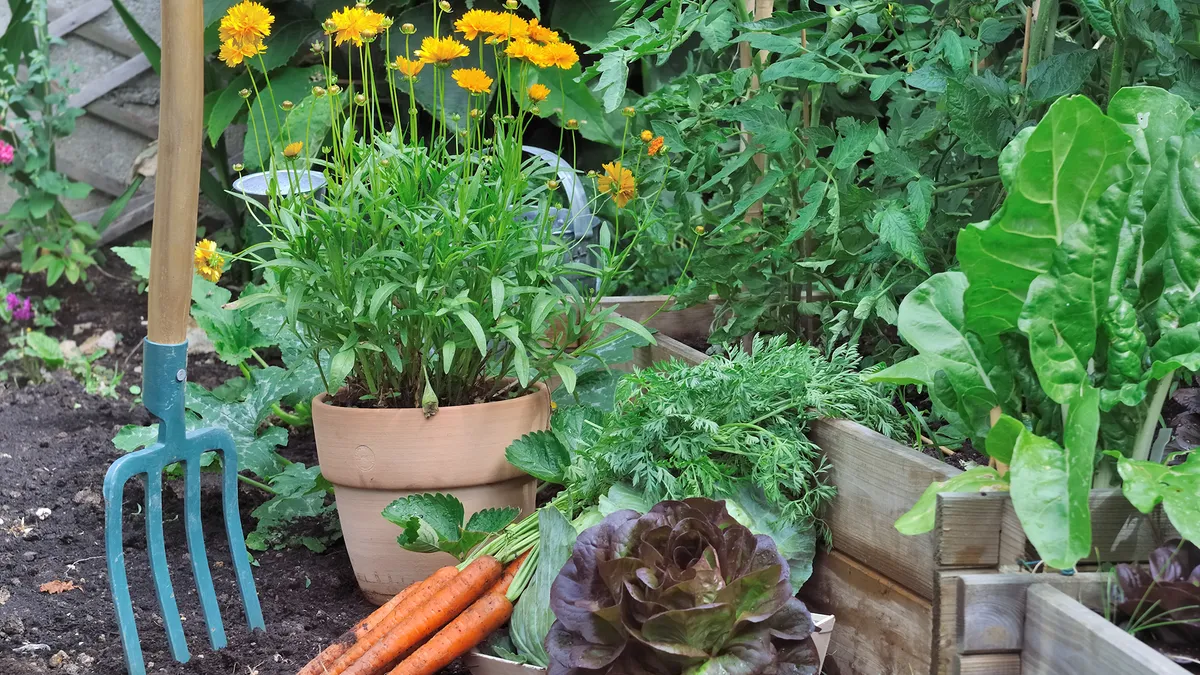
Loamy soil is considered the best soil type for most plants, as it retains moisture while still draining well and is rich in nutrient, and as Proust said, it’s well-balanced. Bonnet says that most plants thrive in these conditions, and you can plant a wide range of vegetables, fruit plants and flowering plants.
Chalky soil
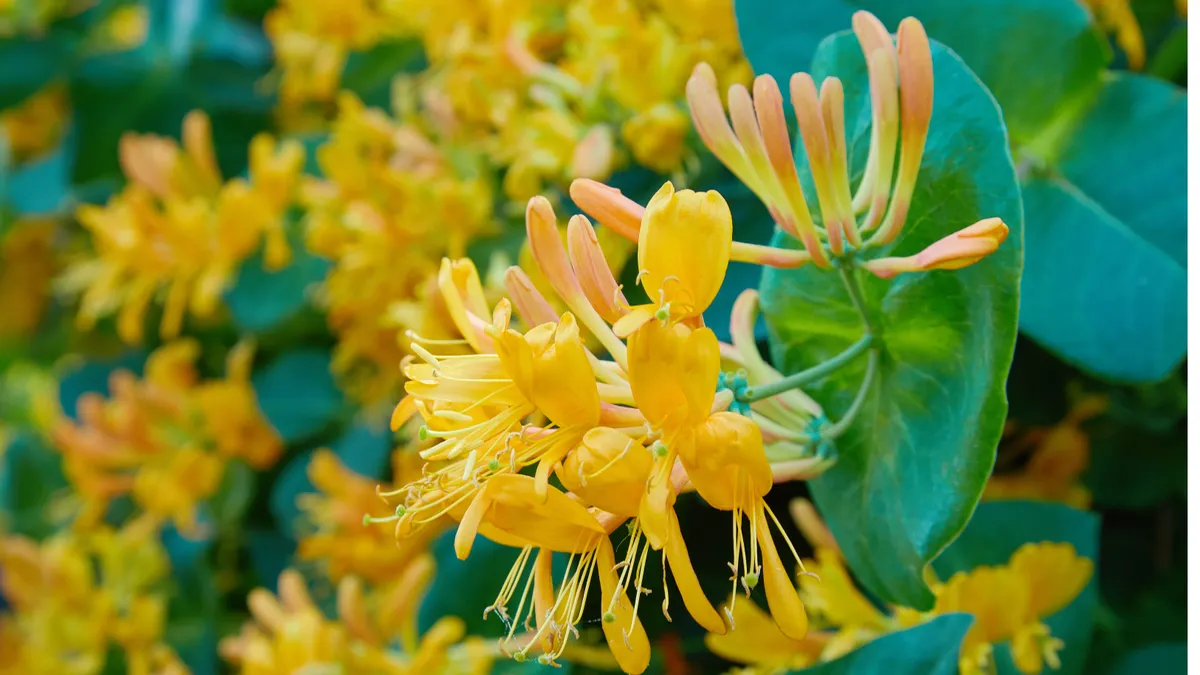
Chalky soil is well-draining and alkaline, which limits nutrient availability for some plants. However, there are plants that thrive in these conditions, including lavender, thyme, lilac and honeysuckle, all of which cope well with drier, alkaline soils.
Silty soil

Silty soil is smooth and moisture-retentive, making it suitable for plants that enjoy occasional damp conditions. Bonnett explains that plants suitable for silty soil include willows, dogwoods, ferns, and hardy geraniums.
Peaty soil

Peaty soil is rich in organic matter and is most suitable for plants that thrive in acidic, moist conditions. Blueberries, azaleas, rhododendrons, Japanese maples and camellias will all do well planted in peaty soil.

Follow Tom's Guide on Google News and add us as a preferred source to get our up-to-date news, analysis, and reviews in your feeds.
More from Tom's Guide