




There’s nothing more unpleasant than seeing black or green spots in your bathroom, and getting rid of mold to stop it from coming back can be a challenge. But what if you can’t see visible signs?
While tile grout may look durable and complement our beautiful tiles, it can also be secretly hiding mold. This is due to its highly porous nature, which absorbs moisture and creates an ideal breeding ground for mold spores.
So if we can’t see mold, how do we know it’s there? Fortunately, there are telltale signs to look for to determine whether your tile grout is harboring mold.
1. Discoloration in grout

This can easily be mistaken for general grime, but if you notice unusual stains, this could be a tell-tale sign of mold. Look out for signs of discoloration, such as pink or orange buildup, which can indicate bacteria that grow in damp places. Perhaps the most obvious are tiny black or dark green dots in areas, which can also be a sure sign of mold harboring.
You can simply remove stains using dish soap, warm water, and a scrubbing brush. Or simply spray a homemade solution of a tablespoon of baking soda in water. Let it sit for a few minutes before scrubbing at the stain, then rinse thoroughly.
2. Cracks or worn grout

It's not uncommon for grout to have wear and tear over time, but once this gets compromised, it’s no longer water-resistant. Not only does this allow moisture to seep through and become trapped against the wall, but it also makes grout susceptible to mold growth.
So how can you tell? If you spot tiny cracks, crumbled or broken bits that have worsened, you might be creating the perfect conditions for mold growth.
To stop mold in its tracks, ensure your grout is always sealed and intact, or re-grout regularly with an epoxy or caulking solution. Typically, this comes in a tube and is squeezed by hand or from a caulking gun. This is also ideal for grouting those awkward, hard-to-reach corners.
3. Bubbling wall paint

At times, mold in grout can transfer to other surrounding areas in the bathroom. And if you notice that your wall paint is starting to bubble, doesn’t feel smooth underneath, or there’s warping along your baseboards, this means moisture has seeped underneath.
Another top tip is to press down on shower tiles to check whether they're coming loose, which indicates the adhesive bond is compromised. This could indicate that mold and moisture have already seeped through and begun to rot the material behind it.
What’s more, if you end up having a build-up within walls or behind your shower wall, this could lead to expensive repairs. It’s always best to seek professional advice if you suspect mold or any other structural issues in your bathroom.
How to prevent mold in your bathroom
As always, prevention is key, and there are a few things you can do to minimize the risk of mold and high levels of humidity in your bathroom. Since mold thrives in moist, warm conditions, you don’t want it completely sealed off from the elements.
First, always crack open a window or door to allow proper ventilation, especially after a hot shower or bath. Where you have exhaust vents, these should be used while the environment is still damp.
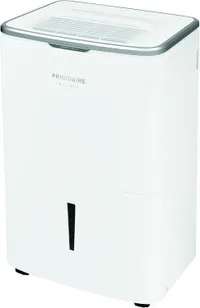
If you don’t have either a window or a vent, it’s worth investing in one of the best dehumidifiers. These appliances are surprisingly effective at lowering a room's humidity by pulling moisture from the air.
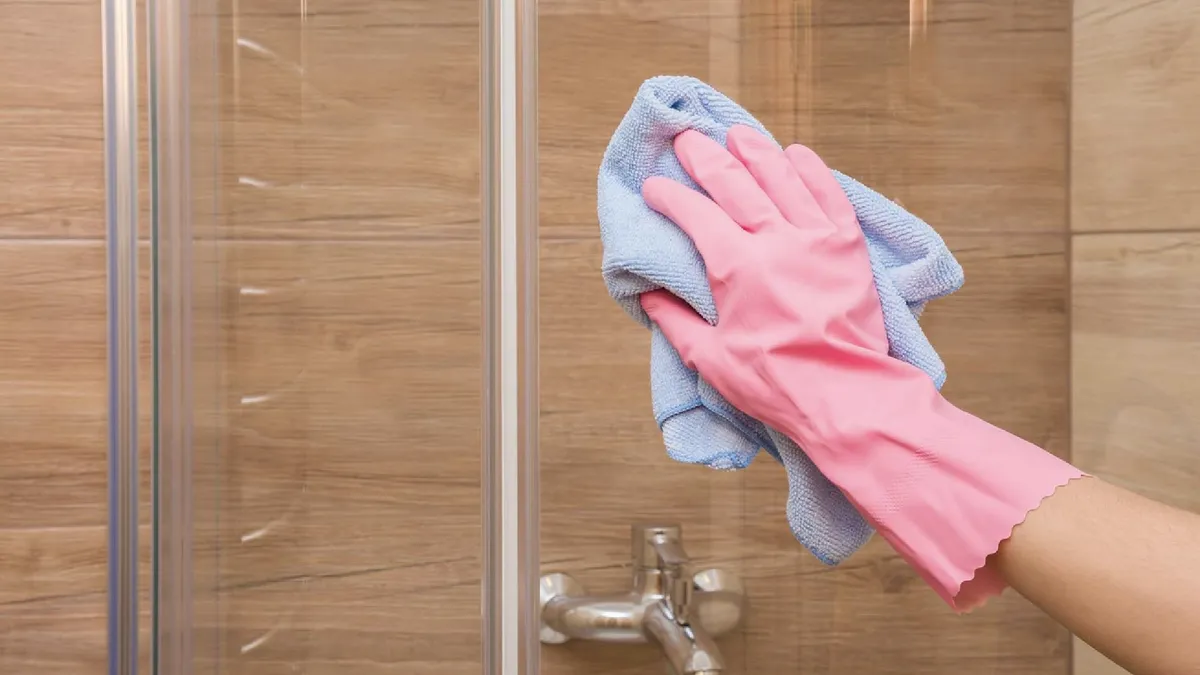
Another useful tip is to always wipe out the shower, glass, or bathtub once you’ve finished using it to help it dry quickly. Excess water droplets will only make the room more moist, so this is an easy habit we can do to prevent any signs of mold.

Follow Tom's Guide on Google News and add us as a preferred source to get our up-to-date news, analysis, and reviews in your feeds.
More from Tom's Guide

