January is the most critical month for your Christmas cactus, even though it's easy to ignore once the blooms fade. What you do right now in these few weeks after flowering determines whether your plant stays healthy enough to bloom again or slowly weakens over the coming year.
Your Christmas cactus just exhausted its energy reserves producing those holiday flowers, and without proper post-bloom recovery, it won't have the strength to thrive. January recovery is straightforward: a rest period, light pruning, and a few basic adjustments.
Here's exactly what your Christmas cactus needs this month to bounce back.
1. Give it a rest period

After producing flowers for weeks, your Christmas cactus needs four to six weeks of reduced care to recover. This rest period mimics the plant's natural dormancy in its native Brazilian rainforest and allows it to rebuild energy reserves.
Water only when the top two to three inches of soil feel completely dry — typically every two weeks. This is significantly less than while blooming. Overwatering during this rest period leads to root rot, one of the most common ways Christmas cacti die.
In terms of tempature, normal room temp should work fine. Just avoid placing your plant near heat vents or radiators and provide 12-14 hours of darkness each night in a naturally dark room without artificial lighting. This extended darkness is crucial for recovery and prepares the plant for future blooming.
2. Prune for fuller growth

Late January is the ideal time to prune. Remove any spent flowers that didn't drop naturally by pinching them off at the base where they connect to the stem. Then assess the plant's overall shape — Christmas cacti often become lopsided with some stems much longer than others.
Prune longer stems back to create a balanced appearance. Use clean scissors or pinch off segments at the joints with your fingers. Each pruning point will branch into two or three new stems, creating a bushier plant
You don't even have to throw away the pruned segments, as they root easily in moist soil and make great gifts or backup plants. Simply let cut segments dry for 24 hours, then plant them about an inch deep in moist potting soil.
Avoid fertilizing for at least a month after pruning. The plant needs to focus its energy on healing rather than processing nutrients.
3. Check if repotting is necessary

January is a good time to evaluate repotting needs. Christmas cacti only need repotting every three to four years — they bloom better when slightly root-bound, so don't rush to give them more space.
Gently remove your plant from its pot and check the roots. If they're circling tightly, growing through drainage holes, or the plant seems unstable and top-heavy, choose a pot one size larger with good drainage holes. If roots look healthy with visible soil between them, skip repotting for another year.
Use well-draining cactus potting mix or combine regular potting soil with perlite or coarse sand in equal parts. The goal is soil that drains quickly so roots never sit in water.
After repotting, water lightly and avoid fertilizing for a month while roots establish in the new container. Fresh potting soil contains enough nutrients to sustain the plant during this adjustment period.
4. Increase light when growth resumes

By late January or early February, small light-green segments should appear at stem tips — this signals new growth and the end of the rest period.
Move your plant to a spot with six to eight hours of bright, indirect light daily. East-facing windows are ideal, providing gentle morning sun without harsh afternoon rays. North-facing windows work if they're reasonably bright.
Avoid south or west-facing windows where direct afternoon sun can scorch leaves. If these are your only options, position the plant several feet back from the glass or filter light with a sheer curtain. If natural light is limited, consider investing in a grow light.
5. Resume regular watering and fertilizing
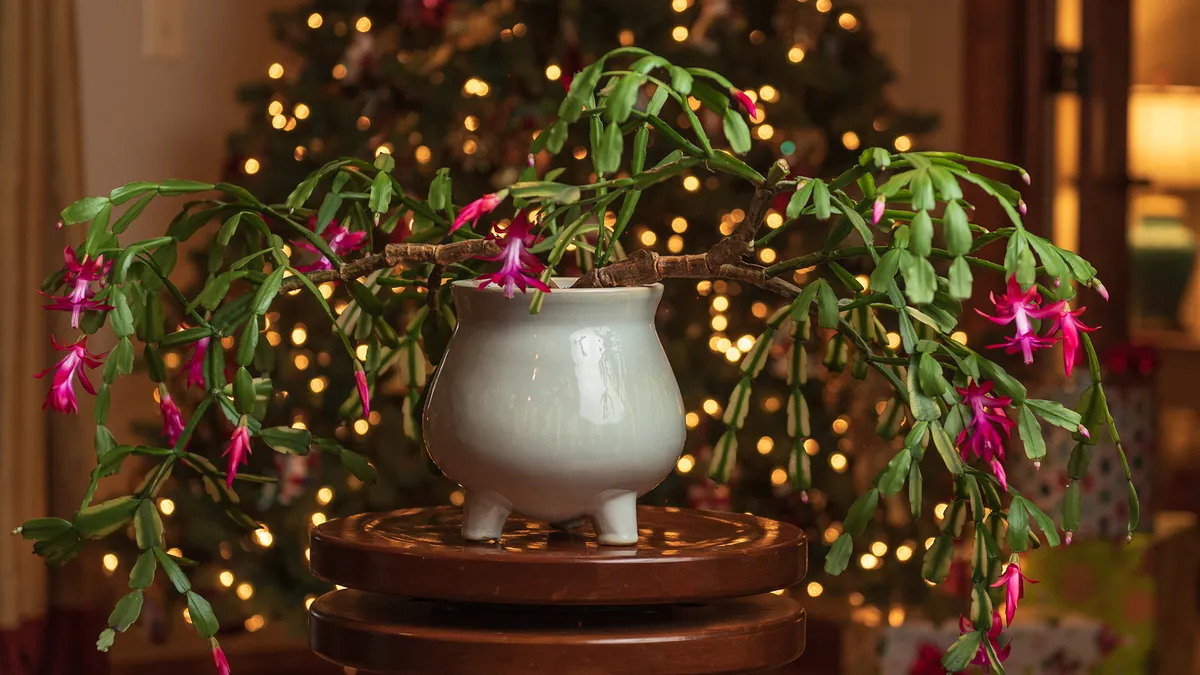
Once new growth appears, resume normal watering. Water whenever the top inch of soil feels dry — usually once a week, though frequency varies based on temperature and humidity in your home.
Water thoroughly until it drains from the pot bottom, then empty the drainage tray. Never let the plant sit in standing water. The soil should be evenly moist during active growth — not soaked, not bone dry.
Start fertilizing in late February or early March once you see consistent new growth. Use balanced liquid fertilizer diluted to half the recommended strength and feed monthly through late summer. More fertilizer isn't better — it causes salt buildup and can damage roots.
Stop fertilizing entirely by late August or early September. This nutrient reduction, combined with shortening fall days and cooler temperatures, triggers your Christmas cactus to set buds for the next holiday bloom cycle.
FAQs
When will my Christmas cactus bloom again?
By following the proper January care and consistent maintenance, your plant may produce a second bloom in late winter (February-March). The main bloom will occur next holiday season if you provide the right light and temperature conditions in fall.
Why are the leaves turning red?
Red or purple-tinged leaves indicate too much direct sunlight. Move to a location with bright but indirect light, such as an east or north-facing window. The discoloration won't reverse on affected leaves, but new growth will be the proper green color once light levels are corrected.
My Christmas cactus hasn't bloomed in years. What's wrong?
The most common cause is insufficient darkness in fall. Christmas cacti need 12-14 hours of complete darkness each night combined with cooler nighttime temperatures (50-55°F) for 6-8 weeks to set buds.
Move your plant to a naturally dark, cool room from mid-September through October. Even nightlights or street lamps can prevent bud formation, so ensure the room stays completely dark at night.

Follow Tom's Guide on Google News and add us as a preferred source to get our up-to-date news, analysis, and reviews in your feeds.
More from Tom's Guide
- 5 signs you've overwatered your Christmas cactus — and how to fix it
- How to keep your Christmas cactus producing gorgeous blooms every year
- You can use coffee grounds to fertilize your Christmas cactus — here's how