




We all know how incredible it feels to wake up after a great night's sleep: refreshed, clear-headed and ready to tackle the day ahead. But for many people, nighttime wake-ups are impacting their ability to achieve that.
In fact, in a Tom's Guide sleep poll, more than 1,700 of our readers said that waking up during the night it is their biggest barrier to getting good night's rest.
The poll showed that this problem far outweighed any of the other common challenges to good sleep, including snoring, not being able to fall asleep sleep and overheating at night.
So, to help address this widespread issue, we've spoken to Dr. Saema Tahir, a sleep and pulmonary specialist, to find out more about the affects of nighttime wake-ups, what steps you can take to curb them and how to fall back to sleep if you do find yourself wide awake in the middle of the night.
What did the Tom’s Guide survey uncover about the impact of nighttime wake-ups on sleep?
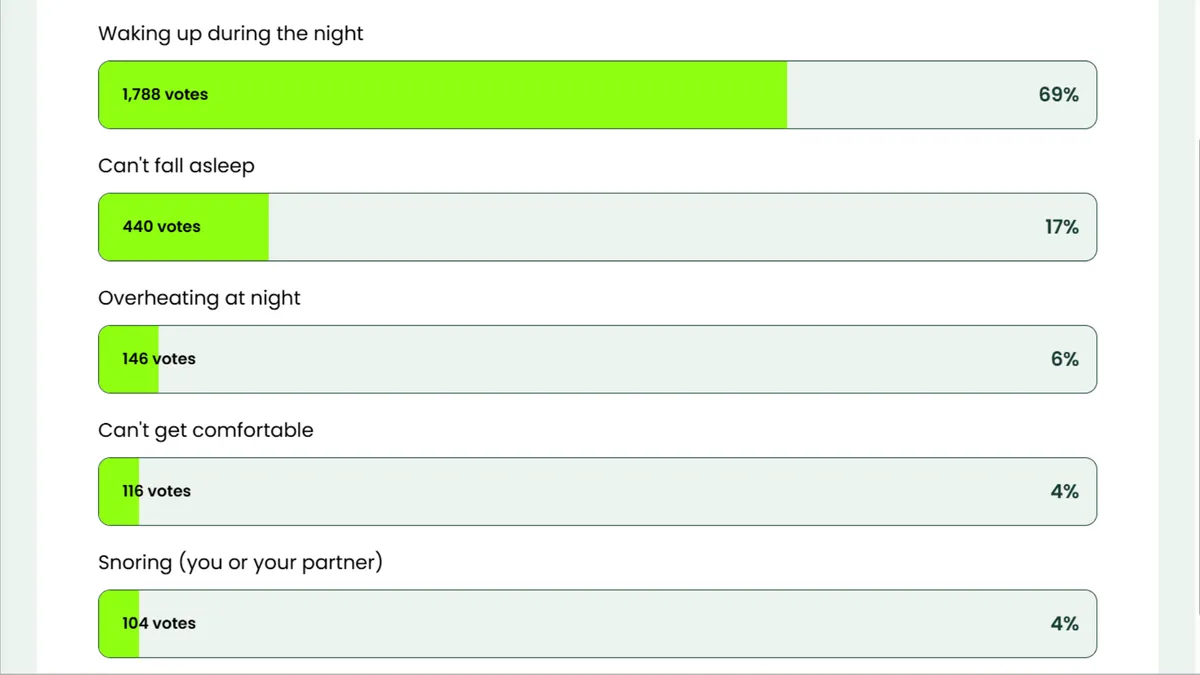
Here at Tom's Guide we're running an ongoing sleep poll to find out what is stopping our readers from sleeping well. (Scroll below for your chance to have your say). For almost three months, the poll has asked 'What is your biggest barrier to getting a good night's sleep?'
The results so far paint a clear picture of the major issue readers are facing when it comes to sleep: nighttime wake-ups.
The overwhelming majority of respondents, currently 69% (more than 1,700 people) of those who have taken part in the poll, selected 'waking up during the night' as their response. 'Can't fall asleep' comes in second at 17% of respondents, while 'overheating at night' affects 6% of respondents and 'snoring (you or your partner' and 'can't get comfortable' have each currently received 4% of votes in the poll.
"There are a variety of different reasons that people wake up throughout the night. So I'm actually not surprised by the data," says Dr. Tahir, a quadruple board-certified sleep specialist, adding that it is "the number one complaint I see in the office as well."
The sleep expert explains that that the reasons for nighttime wake-ups range "from behavioural, environmental, medical symptoms of undiagnosed disorders, and there's sleep disorders in themselves that can wake you up in the middle of the night."
When is waking up at night a problem?
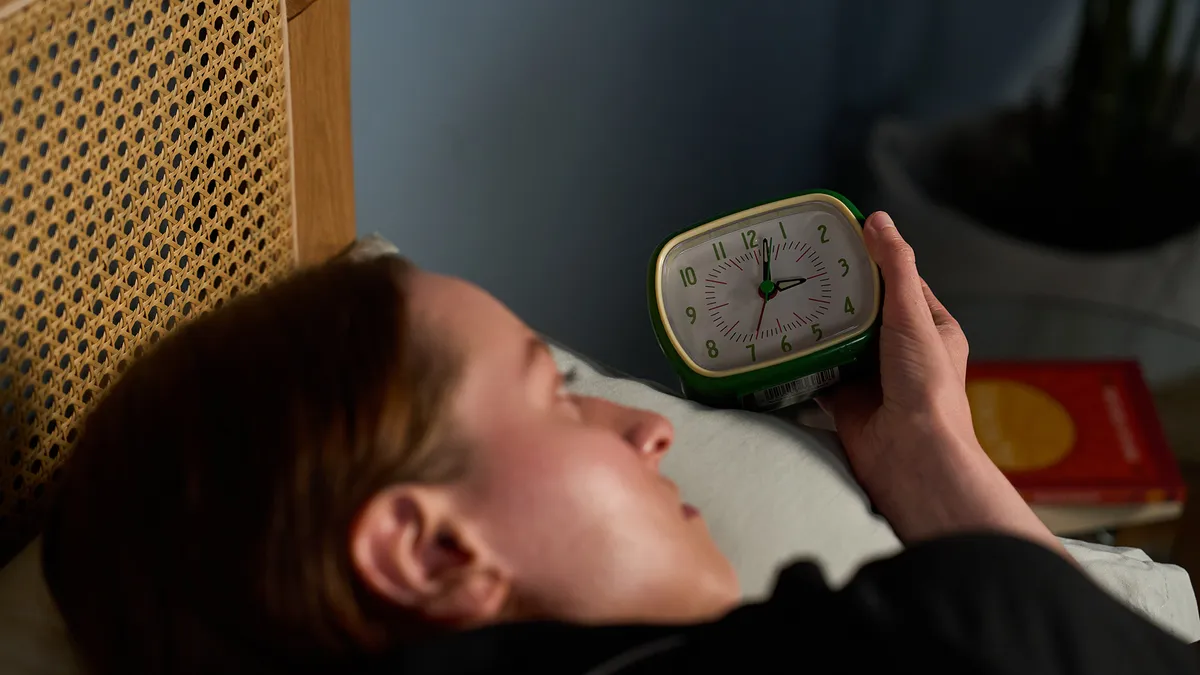
Clearly the results of our poll show that nighttime awakenings are impacting sleep quality for many people — so when exactly does waking at night become problem?
A brief wake-up during the night isn't actually abnormal, research shows that it's actually part of how our sleep cycles work. During the course of the night, people typically go through as many as five sleep cycles — consisting of light sleep, deep sleep and REM sleep that typically last around 90-100 minutes each — and in between each cycle you may briefly awaken.
What becomes problematic is something is waking you up or you are unable to go back to sleep.
Dr. Saema Tahir
"Wake ups, 3 to 4 times, sometimes 5 times a night, are normal. Most people do wake up. They just don't remember them. Or they're able to go right back to sleep. So that is a normal sleep process," says Dr. Tahir, who treats sleep issues including insomnia, circadian rhythm disorders and sleep apnea from her practice in New York.
"What becomes problematic is something is waking you up or you are unable to go back to sleep. That's when we think of it as a potential problem, but most people don't realise that we all wake up."
How does waking up at night impact your sleep?
If you're waking up and not getting back to sleep, Dr. Tahir points out that firstly, you will not be clocking up enough sleep.
"And if you're not getting enough hours, you're probably not getting the appropriate architecture. So, you are missing out on, probably, the deeper stages of sleep," she explains.
However, the timing of your wake-ups will impact which sleep stages you'll miss out on. "Deep sleep happens early in the night," Dr. Tahir says, adding that the amount of REM sleep we have gets longer in each sleep cycle over the course of the night.
"So those are the two very important stages of sleep. And if you're not getting enough hours or you wake up in the middle of those, you're not getting the architecture you need to function and perform the next day in terms of health and personality."
Deep sleep is considered the most restorative stage of sleep, when repair and regeneration occurs within the body and toxins are flushed from the brain, while REM sleep, when we typically dream, is associated with emotional regulation and memory consolidation, as well as brain development.
How do nighttime wakeups impact the way you feel the next day?

Nighttime wakeups aren't just frustrating, they can also affect your health and well-being as soon as the following morning.
"The impacts are actually felt the next day," Dr. Tahir says of people who are experiencing nighttime wakeups that last more than five or ten minutes. "It's that irritability, that brain fog, that tiredness, that fatigue." She explains, adding that people often report personality changes to her, including "snapping, [feeling] irritable, more sadness."
"Executive functioning is also impaired after one night of poor sleep. So the decisions you have to make it work are just harder or not being done correctly at your highest potential," she says.
Indeed, research has shown that just one night of sleep deprivation, "impaired psychological well-being and executive function"

Dr. Tahir also explains that "one bad night of sleep, you [can] take in 300 and some more calories the next day, which increases your risk of diabetes, heart disease... So, it does have long-term consequences, even just one bad night," she says, pointing out that while one night of poor sleep can be recovered from, "if it's becoming now weeks, then months, it's really hard to back track on all of that."
A review of studies found that people who are sleep deprived consumed an average of 385 additional calories the following day. While an umbrella review of research found that sleep deprivation "was a significant risk factor for cardiovascular diseases such as hypertension, stroke and coronary heart disease" and increased the risk of "metabolic disorders, like obesity and type 2 diabetes."
We asked Dr. Tahir at what point do nighttime awakenings mean you're suffering from sleep deprivation? She explains that she measures it by "how you feel the next day."
"Do you feel refreshed? If you do not feel refreshed, if things are harder, that may be in itself... a sign of sleep deprivation. Because sleep deprivation isn't just hours, it's also quality of sleep," the doctor says.
"So many people say, ‘I sleep 7 or 8 hours, but I wake up feeling awful.’ That's the deprivation itself. If you're not getting the stages of sleep you need to function the next day," she adds.
How to stop waking up at night — 5 tips from an insomnia expert
Dr. Tahir explains that there are many reasons for nighttime wake-ups, and that it's important to determine what may be causing yours. However, she did share some basic steps you can take to help avoid waking up during the night.
1. Create a bedroom environment that is conducive to sleep
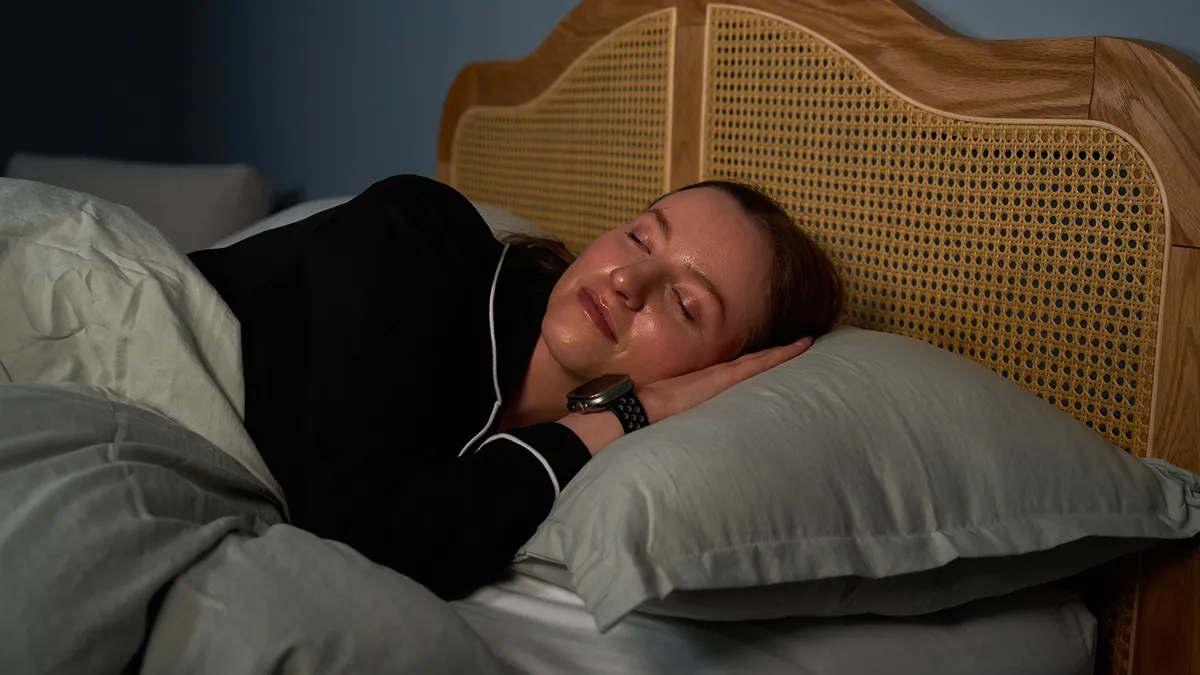
"The bare minimum is... making sure [your sleep space] is the ideal sleeping environment," says Dr. Tahir.
A large study published in 2020 noted that the optimum temperature range for sleep is between 65 to 70 F (18 to 21 °C), but after analyzing more than 3 million nights of sleep data, researchers found that many people sleep in bedrooms warmer than this.
The doctor explains that "I live in New York City. So one of the reasons that people wake up in the middle of the night is the temperature of the room. It's too warm, or too cold. We know that sweet spot is 65 to 69 degrees, and anything more than that, and anything less than that, can wake you up throughout the night,"
One of the reasons that people wake up in the middle of the night is the temperature of the room
Dr. Saema Tahir, sleep specialist
It's not just about the temperature on the thermostat though, Dr. Tahir points out that many people "have thick comforters... or they don't have breathable pajamas. So they set the temperature at 65, but what their body is actually producing and sleeping in is not what's in the environment."
Layering bedding, instead of having one high-tog duvet, in cooler months can help with temperature regulation, as can opting for sleepwear made from materials like cotton, silk and bamboo, which are naturally breathable.
Making sure your sleep space is "relatively quiet and dark," is also important, Dr. Tahir says. Ear plugs can help avoid being woken up by noise pollution or a bed partner, while a good sleep mask should completely block out light. Blackout curtains or blinds are an investment, but they help maintain a completely dark sleep environment.
2. Make sure you have a relaxing winddown routine

Dr. Tahir emphasizes "making sure you're not going to bed stressed out because that will interfere in your ability to stay asleep. So you should have wind down activities before bed."
A nighttime routine typically consists of a series of calming activities you do every night in the lead-up to your bedtime. "So doing something relaxing, whether it's reading [or] word puzzles," Dr. Tahir suggests.
Another option could be a warm bath, which is both calming and conducive to sleep.
"Taking a hot bath or shower around 90 minutes before bed triggers a rapid drop in core temperature afterwards — mimicking the body’s natural sleep signals," says Sam Sadighi, sleep expert at GetLaidBeds previously told Tom's Guide.
You may also want to consider stretching, journaling, meditation, listening to music or low-impact yoga, but ultimately, your routine just needs to be activities that are relaxing for you.
A wind down routine, along with creating a sleep-friendly bedroom environment, are "easy things that you can set yourself up to avoid those nighttime awakenings if it’s due to those things," Dr. Tahir says.
3. Don't eat too close to bedtime

When evenings are busy with work, childcare or socializing, it can be tempting to push your last meal of the day later, or to indulge in a sweet treat at 10 p.m., but avoiding late night eating is something "that we can all do," to help prevent nighttime wake-ups, says Dr. Tahir.
The sleep specialist says that she often sees people who are waking up at night due to eating too late, and explains why a late dinner or snacking close to bedtime impacts our sleep.
"When we eat food, our digestive organs wake up now. They are in daytime [mode] to digest all that food," she says.
Your body's all ready to power down, same with your gut, but then it turns on to sense food and aids in digestion.
Dr. Saema Tahir
"Suppose you go to bed at 10, you're eating at 9, snacking at 9. Your body's all ready to power down, same with your gut, but then it turns on to sense food and aids in digestion. So people often wake up from their gut just being wired to be awake."
"Traditionally it’ll be acid reflux waking you up; nausea, chest pain, burning. But it may be subtle, the indigestion, or the acid reflux, or it just may be that your gut is turning on," she adds.
If you are hungry in the evening, light, nutritionist-recommended snacks that won't negatively impact your sleep include cherries, almonds or a glass of cow's milk.
4. Stick to a consistent sleep schedule
We asked Dr. Tahir if a consistent sleep schedule is important for preventing nighttime wake ups, and she explained that it's one of the fundamental sleep and lifestyle modifications you can make.
"That consistency is key to regulate our circadian rhythm, and also our stress," says Dr. Tahir. "So same time to bed, same time to wake, and then don't try to make up so much [sleep] on the weekend, because any shifts in our circadian rhythm will also cause nighttime awakenings at night."
You could try the 7:1 Sleep Rule, which involves going to bed within the same one-hour window at least five nights a week, and ensuring you get at least 7 hours sleep a night. A bonus of this sleep rule is that the study behind it found that sticking to this schedule could add up to four years to your life. Paired with sticking to a regular wake-up time, and you're helping to keep your circadian rhythm on track for better sleep.
5. Seek medical advice
While the steps above are modifications you can easily make to your sleep environment and lifestyle, and are useful ways to address nightttime wake-ups, it is important to know when to seek medical advice.
"If for some reason, it's been now two to three weeks and you're still waking up [and] you’re unable to go back to sleep within a couple minutes, that's when you should address it with a medical professional," Dr. Tahir says.
"It should not be that hard to get back to sleep. If it is hard to get back to sleep, that's something that isn't medically being addressed, whether it's physical, psychiatric, sleep, whatever it may be," the sleep specialist adds.
She typically recommends that people keep a log of about three weeks of sleep, "to see if they're really not able to go back to sleep or [whether it's], ‘okay, I noticed I woke up, but I did fall back asleep.’"

Follow Tom's Guide on Google News and add us as a preferred source to get our up-to-date news, analysis, and reviews in your feeds.
