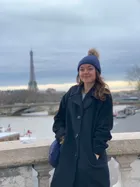
As the Sleep Features Editor for Tom’s Guide, I know how effective breathing methods can be for falling asleep. Whether it’s falling asleep fast in the evening or falling back asleep after having woken up, breathing techniques can work wonders.
Especially for people like me who have an anxious mind. If I wake in the night or I can’t sleep, my mind and heart races.
But every time I’ve tried the renowned 4 7 8 breathing method in these moments, it doesn’t work. Instead, I feel my panic and anxiety ramping up further and I’m awake for longer.
I’ve consulted three experts to ask them why the 4 7 8 breathing method doesn’t work for me, and what to try instead.
Why the 4 7 8 breathing method is difficult for anxious people like me
The 4 7 8 breathing method refers to breathing in for four counts, holding for seven and breathing out for eight counts.
I thought it sounded fairly simple and achievable, but Charlotte Marsh, a certified breathing coach, disagrees. “It’s too complicated, and feels too much” she says.
“Shifting to a 4-7-8 which totals… a breath cycle of 19 seconds” which the author says “is a big ask for any adult.”
Marsh explains this is because the average adult takes about 21 breaths per minute, where the 4 7 8 breathing method means you’re only taking 3. “So it’s perfectly understandable that a 4-7-8 feels too challenging,” she adds.
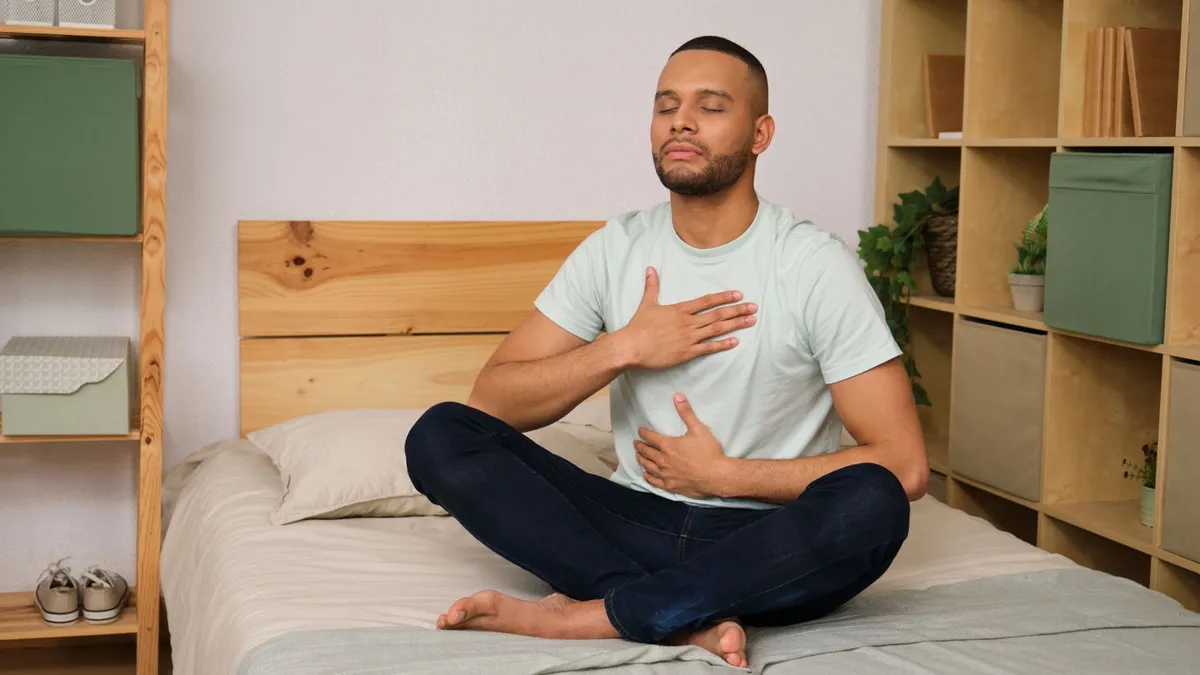
Another anxiety-friendly breathing method to try
For those who experience nighttime anxiety minds, starting slow and simple is best.
“For dealing with anxiety in the moment, I recommend techniques that are exhale-emphasised and have no breath-holds,” says Anouska Shenn, a certified breathwork teacher.

“For example, pursed lip breathing, which involves breathing in through your nose, and breathing out slowly through pursed lips. Pursing the lips can help us to take longer exhales, because the air is released more slowly.”
“Breathwork should always be practised without strain,” Anouska says. “You should never feel out of breath during a breathwork practice.”
“If the counts feel too long, you could shorten them while keeping the ratios roughly the same,” she advises.
3 tips for using breathing exercises to beat anxiety and sleep well
While there will be certain breathing methods that are easier to start with, the experts have offered some general advice as to how to start practising breathing as part of your nighttime routine.
1. Practice breathing methods when you’re not anxious
“The majority of adults with anxiety do not breathe well, so working on your breathing when you’re NOT anxious is a good place to start,” says Marsh. This helps you adjust to new ways of breathing without increasing your anxiety.

A good way of doing this is adding practice into your nighttime routine. Lying in bed in the evening without a to-do list on your mind for the day is a relaxing time to practice. And the better you get at it, the more relaxed you’ll feel, so the faster you’ll fall asleep.
Plus, humans are creatures of habit who love routine. If you do something specific every night before bed, your body will start to recognize that it’s time to start winding down, making falling asleep easier.
2. Build breath holds slowly
“You need to build your breath pattern gradually. I've taught breathing practices since 2002, and this is a really common mistake I see in my students,” says Kate Lynch, a mindfulness teacher and founder of Healthy Happy Yoga.
“Start with simply observing your breath as it is,” she says. Ask yourself roughly how long is your inhale and exhale so you gain an understanding of your baseline.
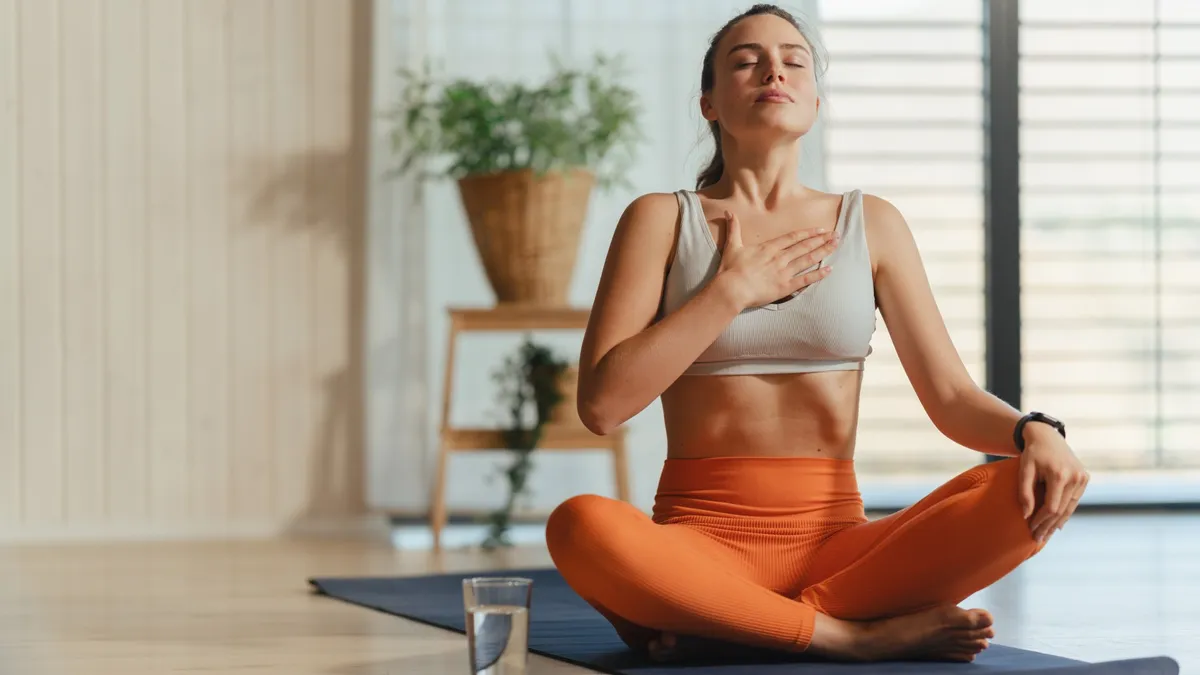
“Then start shortening your inhale by 1 count. Make a sighing sound through your nose when you exhale,” Lynch advises. “It will lengthen. Take your time,” she reminds us.
And Marsh agrees. “Try slowing down your breathing gradually, just find the flow of your breath and follow it. Then try to very gradually slow your rhythm down and especially focus on making the exhale slightly longer than the inhale.”
“This sends signals to your nervous system and will help you shift into a parasympathetic state (rest and relaxation),” she explains.
3. Don’t practise for too long
As you start out, just try small breath holds for a short period of time before returning to normal breath.
“I only do 4 or 5 rounds, then return to natural breath,” Lynch says. “Usually by the second cycle of 4 rounds, I feel the shift, even if I'm really anxious.”
Practice makes perfect. Don’t expect a breathing exercise to immediately work, instead, building up your breath work will make it a lot more effective.