My dad has always struggled to sleep. From work stress to a snoring wife, there's always something disrupting his rest, so by lunch he's exhausted and struggling to keep his eyes open. And it's not just my dad – a 2025 survey found that 72% of adults struggle with daytime sleepiness.
However, lately I've noticed my dad has a spring in his step, particularly in the afternoons. I asked him what changed and he let me in on a simple sleep solution that gives him energy throughout the day without causing 3 a.m. wake ups. Every afternoon at 2 p.m. he sets a timer for 20 minutes, takes a quick nap, and then as soon as the alarm goes off he's up and ready to go.
It's a solution that comes approved by various sleep experts. I spoke to Dr. Shelby Harris of BetterSleep, to learn how naps can help people with insomnia and sleep deprivation to maintain energy throughout the day, plus she shares her expert tips on how to nap properly without ruining your sleep at night.
Key takeaways
- 72% of adults experience daytime sleepiness and exhaustion that gets in the way of their everyday activities
- A nap can help you reclaim energy and feel more awake in the afternoon but they can also destroy your sleep quality the following night
- To nap properly, set an alarm for 20 minutes, get up once your nap is over and finish napping by mid-afternoon
- If you feel like you need to nap everyday or you think your naps are impacting your overall sleep quality, speak to a healthcare professional about other ways to improve your sleep quality
How napping alleviates insomnia symptoms

My dad's tried everything to improve his sleep — from meditation to pre-bed yoga — and while a regular schedule has helped him sleep longer, he still goes through periods of 3 a.m. wake-ups and fatigue-filled mornings.
And when exhaustion is dragging him down, a nap is my dad's go-to response for a quick energy boost. But it's a balancing act. Nap too long or too late and you might find yourself groggy with sleep inertia all afternoon.
His trick is deceptively simple and comes approved by the experts — he sets a 20 minute alarm before his nap and gets up as soon as it chimes.
"A short nap, around 20 minutes, can improve focus and energy, especially if you’re dealing with short-term sleep loss," Dr. Harris advises.
She explains that my dad, like many others, is experiencing "lighter, fragmented" sleep that leaves you feeling unrested even after hours in bed. This can be caused by things such as too much screen time, an erratic sleep schedule, or "higher levels of stress" (ding ding — that's my dad!)
"It’s very possible to get a full night of sleep and still feel exhausted, because sleep quality and consistency matter just as much as duration," she says. As you haven't got enough the deep sleep essential for energy restoration, you might find yourself running on fumes by lunchtime.
That's where a nap comes in, providing you with that boost of extra energy to reclaim some of what you lost in the night.
Can naps cause insomnia?
To get a healthy night's sleep, it's important to build up enough sleep pressure. This is that yawning, heavy-eyed feeling you get before bed and it's the result of the chemical adenosine building during the day.
Naps help clear some of that adenosine, reducing sleep pressure but also potentially making it harder for you to fall asleep and stay asleep.
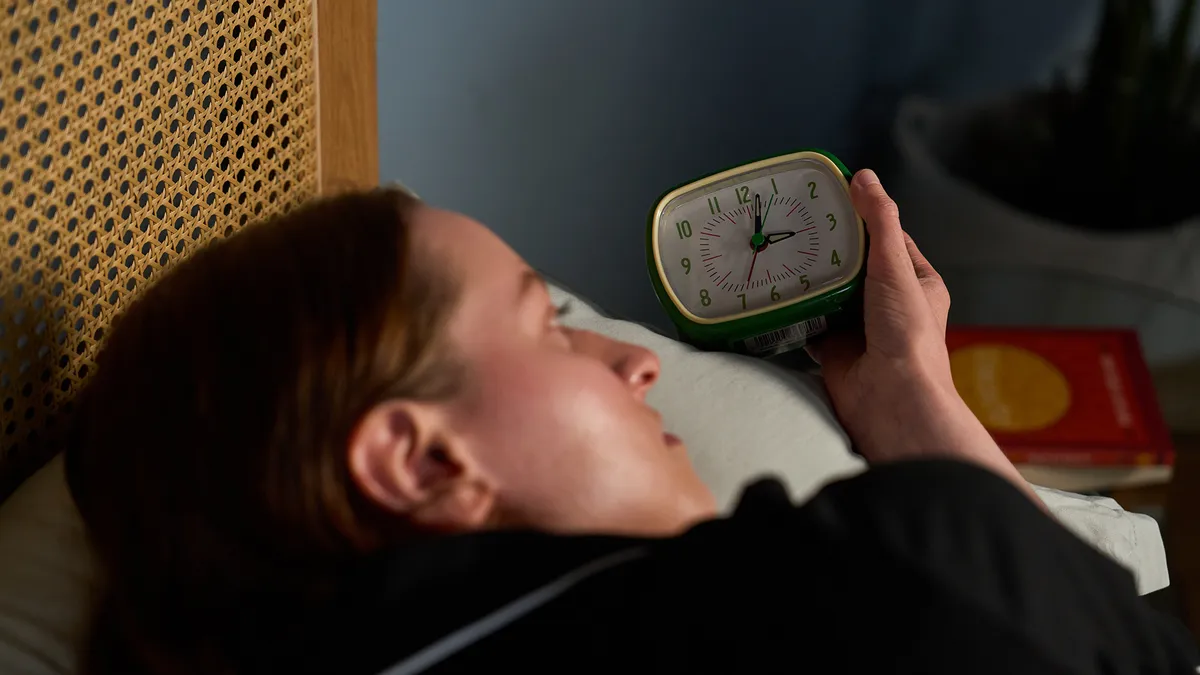
Too much napping, therefore, can be the reason you're tired in the first place and Dr. Harris emphasizes better sleep at night should take priority over naps.
"Naps can help in the moment," says Dr. Harris, "but they’re not a substitute for consistent, restorative sleep overnight."
Napping can't substitute better sleep quality
Regular napping can be a way to off-set poor sleep and give yourself a boost of energy in the afternoon. However, if you're napping daily or fighting drooping eyes at your desk, naps might be a bandaid over a bigger problem.
"If you feel like you need a nap every day just to get through the day, that’s often a sign your nighttime sleep or overall schedule needs attention." explains Dr. Harris.
She advises following the tips below for napping perfection and to pay attention to your overall sleep health.
"If that level of fatigue continues, it’s worth checking in with a healthcare provider or sleep specialist to rule out underlying issues," she advises.
How to take the perfect nap
1. Keep it under 20 minutes
The alarm hack is for people willing to accept napping self-responsibility: you won't wake up naturally, so set an alarm. Because it's far too easy to promise yourself a 'few minutes shut-eye' and find yourself startled awake hours later.
A 20-minute nap is enough time to shake off some sleep pressure without eating into your sleep at night. And the alarm means you definitely will wake up when you promised yourself you would.
2. Finish napping by early afternoon
Timing is everything when it comes to naps, in both senses. First, you want to keep it under a certain amount of time (as noted above.) Second, you have to pick the right time of day.

"I recommend earlier in the afternoon, so it doesn’t interfere with nighttime sleep," says Dr. Harris.
The ideal nap time for adults is between 1 p.m. and 3 p.m. This aligns with a natural sleepy dip in your circadian rhythm and leaves ample time for sleep pressure to build up again before bed.
3. Try a 'nappuccino'
A nappuccino, or coffee nap, combines the power of caffeine with the refreshment of a quick lie-down, to supercharge your naps.
Working on the principal that caffeine takes about 15 minutes to kick in, a nappuccino encourages you to drink a cup of coffee just before you settle down for your nap.
Set your alarm for around 20 minutes and when you wake up you should be feeling doubly energized.
Best sleep products for a power nap