There are lots of walking trends, including fart walking, the Hot Girl Walk, and ChiWalking, which is the same as Tai Chi walking.
I'm not made for meditation in its traditional sense, so I'm always looking for ways to boost mindfulness without sitting and breathing with my legs crossed. A while ago, I stumbled across ChiWalks and loved trying it; I've noticed recently it's trending up again, so I wanted to revisit.
Here’s what the walking method means, how to do it, and the benefits for your body.
What is Tai Chi walking?
This might not seem like it's for you, but I'd argue you could be the target audience.

I checked out ChiLiving, which claims the goal is to improve posture, increase joint mobility and engage the core muscles while reducing aches and pains associated with poor walking mechanics.
But aside from these physical benefits, the goal is to walk purposefully, slowly and with a focus on shifting your weight across your body, which promotes better balance, control, awareness and lower-body stability.
Tai chi is low-impact, which is perfect for those with limited mobility, and has its roots in Chinese martial arts, "meditation in motion." It could help you stay active, hit your daily step count and increase mindfulness and mobility.
How to do Tai Chi walking
Tai Chi walks vary in style, but here are a few basic tips for beginners:
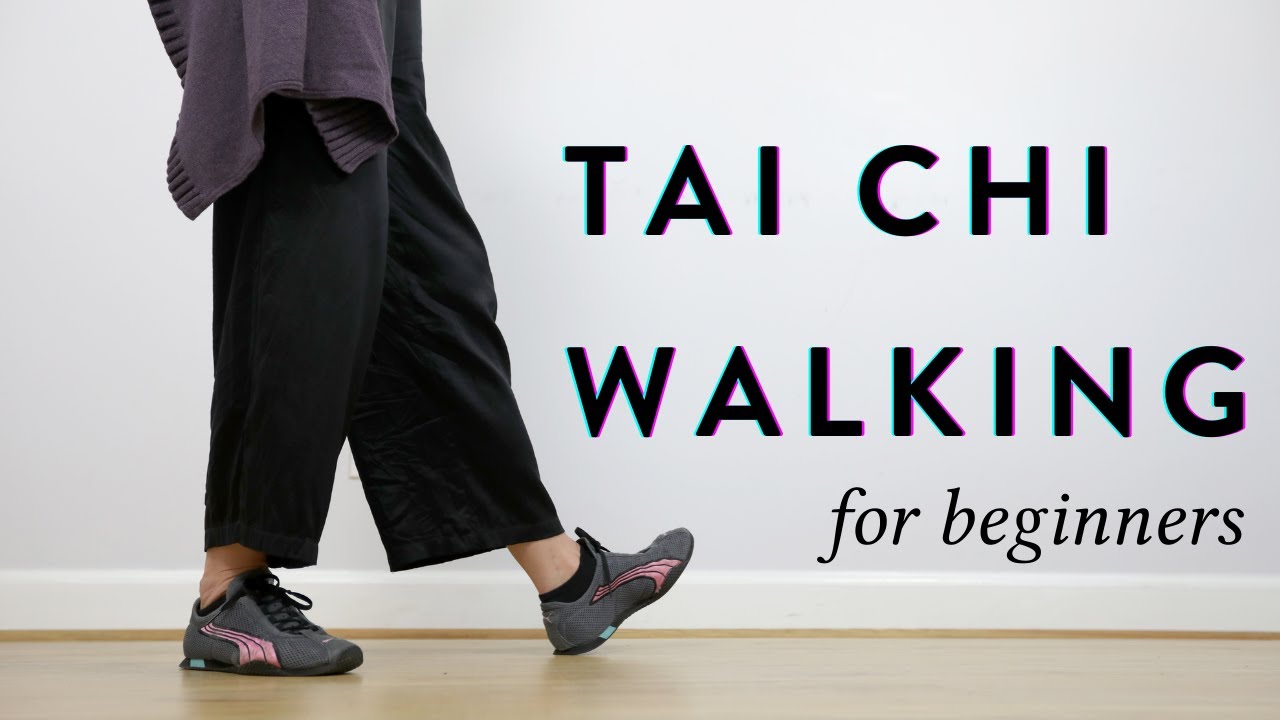
- Stand with your feet hip-width apart, toes pointed slightly out to create a "bow stance"
- Engage your core and draw your navel in, then softly bend into your knees and keep your body loose
- Stand tall through your spine. Slowly, step forward with one foot and roll from heel to toes, shifting your weight forward and grounding your foot, then rocking back into the back leg, keeping the knees bent.
- Keep the knees slightly externally rotated to protect your joints
- Step back. Practice on both sides, slightly stepping outward and opening up the hips. Your hands can be behind your back or on your hips
- In the video, your teacher explains a few different fundamentals you can practice.
My verdict
If you enjoy more vigorous styles of walking, this might not seem like it's for you, but I'd argue you could be the target audience. From experience, sometimes the things we don't want are the very things we need most. For me and my frenetic brain, that's to slow down from time to time.
It’s slow and mindful, like a walking meditation, and yes, it can feel a little boring (sorry, Tai Chi lovers), but if you go in with the purpose of taking a little time out from your desk or just as a light activity before bedtime, you can actually settle into it.
The most obvious benefit for me was then, and still is, ankle mobility. On both tries with Tai Chi walking, the slow, deliberate steps and the shifting of balance from left to right sides make me focus on my lower body and, in turn, relieve ankle tightness.
This also helps me tune into what my body is doing, improving proprioception (my body's awareness of space), helping me stay present in the moment while my attention is on my foot-ground connection.
You could do Tai Chi walks anywhere, but I recommend finding somewhere peaceful, like your garden or local park, where you can focus.
I found it useful for slowing down during walks and for improving core activation and lower-body mobility; the slower you move, the more you test balance and stability. However, it didn't improve my posture or walking gait, though it did help me open my hips and knees a little.
Regardless, easing stress helps the body stay in the parasympathetic nervous system state of rest and repair more often, which is great for your mind, but also, walking is a low-impact, accessible way to avoid prolonged sedentary time, helping you burn off extra energy and contributing toward a healthy metabolism. So, there isn't much reason not to give this walking method a go.
Overall, it helped me remember why I enjoyed it the first time: slowing down. Why not add a little Tai Chi to your next walk?
Follow Tom's Guide fitness on Instagram for more workouts, routines, tips, and tricks.

Follow Tom's Guide on Google News and add us as a preferred source to get our up-to-date news, analysis, and reviews in your feeds.
More from Tom's Guide