Vinegar is one of the most popular cleaning products. We use it to clean windows, deep clean toilets and appliances, and it even has a place in the garden for killing weeds.
But this versatile product can easily be confused, so I asked cleaning pros what the difference is between cleaning vinegar and white distilled vinegar, and how they should be used.
Cleaning vinegar vs white distilled vinegar
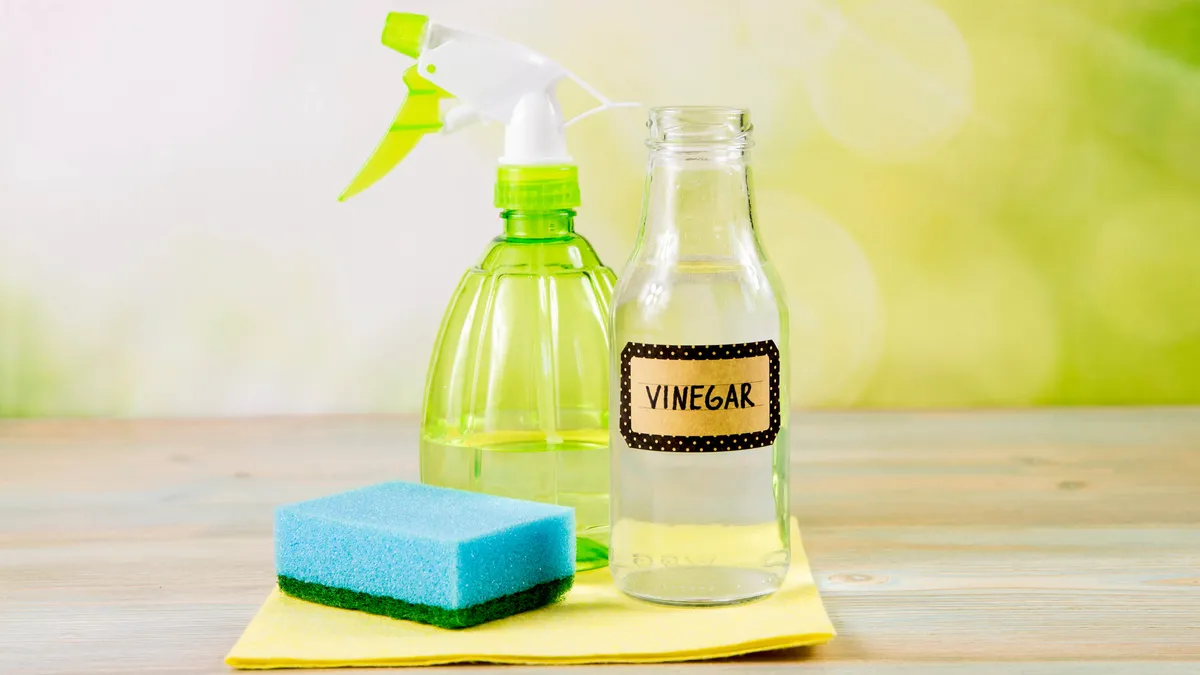
“Cleaning vinegar in its simplest form is a stronger acidic vinegar than white vinegar,” explains Sara Aparacio, resident cleaning expert at Homeaglow.
“Most bottles and descriptions list cleaning vinegar as having around 6% acetic acid and white vinegar as 5%. That 1% might not sound like a whole lot, but when you’re using it, you can really see and feel the 20% increase in concentration.”
Food safe vs non-food safe

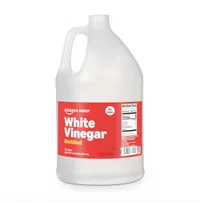
But it isn’t just the strength that differs. “White vinegar is often suitable for pickling; cleaning vinegar isn’t made to a food-safe standard and contains impurities and additives that aren’t meant to be consumed,” explains Aparacio.
And that’s why cleaning vinegar should never be placed in your pantry by mistake.
Katie Lambert, owner of Clean Queen of Denver, explains that it has not been through the distillation process, so it still contains impurities that are usually removed from white vinegar.
To reiterate, she says, “Cleaning vinegar cannot be used to cook, because the acidity is too high and there are impurities and additives that make it unsafe for consumption.”
Although there are obvious differences when comparing each vinegar’s label information, Aparacio says the differences are much clearer when it comes to their cleaning power.
Which type of vinegar can be used for cleaning?
Both cleaning vinegar and distilled white vinegar can be used for cleaning, but Lambert warns against using other types. “Apple cider vinegar and wine vinegar can leave stains, rice vinegar leaves a sticky finish, and malt vinegar smells terrible and can stain surfaces.”
How to use cleaning and white vinegar

For cleaning, Lambert recommends mixing one part vinegar with one part water, but adds that cleaning vinegar and white vinegar are best for different jobs.
Cleaning vinegar can handle tougher stains and is best at removing grease, soap scum and mold.
Distilled vinegar can be used for regular cleaning, such as tackling glass, counters and other surfaces, and it can also be used to remove odors.
How to stay safe when using vinegar
“For distilled white vinegar, you really don’t need any extra protection,” says Lambert. “Just try to avoid getting it in your eyes and make sure that the room is ventilated”
However, she says you need to take extra care when using cleaning vinegar. “I highly recommend wearing gloves and long sleeves to protect your skin, because you have to remember you are working with an acid — you want to avoid chemical burns.”
You’ll also need to ensure the room is well-ventilated; unlike distilled vinegar, the higher concentration of acetic acid makes it much more pungent.
You should also consider where you store your vinegars. “I’d always make sure to label it and keep cleaning vinegar away from food preparation areas, or at least keep it separate from other vinegars so they don’t get mixed up,” says Aparacio.
Don't make this toxic mistake

“Absolutely never mix cleaning vinegar, or any vinegar, with bleach!” warns Aparacio.
When bleach and acetic acid mix, a chemical reaction releases chlorine. When inhaled, the toxic gas can cause severe lung, eye and throat damage.
What to avoid cleaning with vinegar

While cleaning vinegar can be used on lots of household surfaces, it should be avoided when cleaning natural stone, grout, cast iron, unpainted wood, rubber, and electrical surfaces. “The acid in vinegar can corrode and damage certain materials, “ explains Lambert.
When is distilled vinegar better than cleaning vinegar?

“You can use the white vinegar for everyday cleaning because it’s non-toxic and safe to consume,” says Lambert, “Especially on places like kitchen counters or to clean the inside of a fridge. ”
It’s also more suitable for cleaning delicate surfaces, such as tile grout or plastic, as the lower acidity makes it less likely to damage the surface.
Lambert also shares that distilled white vinegar is suitable to use as a laundry softener, as it’s less likely to damage fibers in clothes than using cleaning vinegar.
It can also be used to remove some stains on clothing, such as sweat and deodorant marks and light yellowing on white fabrics, but according to Laundry Heap, it doesn’t work well on grease or oil, blood, ink, dye or old or heat-set stains.
Its gentler nature also makes it safe to use around pets. “If you need to clean their play area or neutralize odors, I’d stick to distilled white vinegar in case they lick the area,” she says.
When to use cleaning vinegar
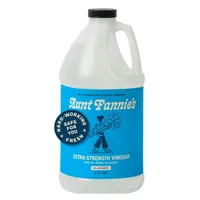
Cleaning vinegar is the powerhouse of vinegars and is suitable for tough chores. Aparacio shares that it really gets to work on bathroom limescale and soap residue.
“You can quickly create a powerful cleaning solution by mixing equal parts cleaning vinegar and water in a spray bottle. This can then be sprayed onto the glass and wiped down,” she says.
Make an all-purpose bathroom cleaner
What’s more, if your bathroom has ceramic tile, porcelain or painted walls, you can use cleaning vinegar as an all-purpose cleaner. She suggests mixing one part cleaning vinegar, one part dish soap, with two parts water into a spray bottle. “The solution can then be sprayed onto surfaces and is amazing at cleaning soap scum and grime,” she says.
Clearing blocked drains
Cleaning vinegar can also be used to clean and freshen clogged drains. Aparacio explains, “Pour at least one quart of boiling water down the drain, then, in a medium bowl, mix together one cup of hot water, one cup of baking soda, and one cup of cleaning vinegar. Pour the mixture down the drain and let it sit and work for about 10 minutes, then flush the system with another quart of boiling water.”
I’ve shared a few cleaning hacks you can try with white vinegar and cleaning vinegar. Let me know in the comments how you use these vinegars to clean around your home.

Follow Tom's Guide on Google News and add us as a preferred source to get our up-to-date news, analysis, and reviews in your feeds.
More from Tom's Guide