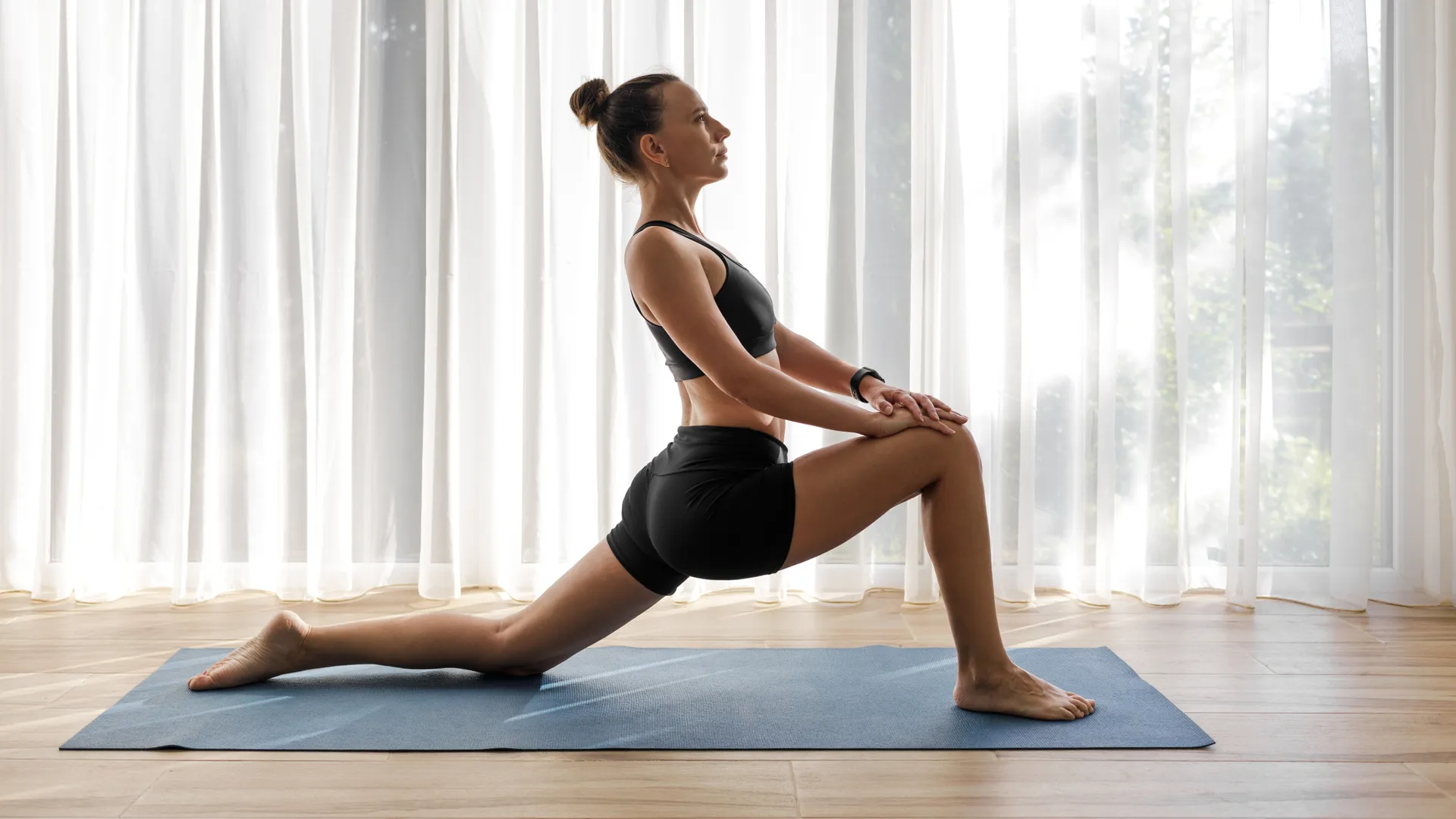
As a proud member of the stiff shoulders gang, I can relate to how painful it is to have a limited range of motion in your shoulders and tension in your upper body. Hunching, weak core muscles, tech neck...they all take a beating on posture over time, but you can make some big improvements with this 60-second mobility exercise.
You don't need any equipment, but optional extras include a set of light dumbbells and perhaps one of the best yoga mats to protect your knees, as you will be holding a lunge position. I also recommend performing this near a wall, and you'll find out why.
If you're ready to get started, read on to see how to do the exercise step-by-step, and how it loosens your shoulders, reduces tension, and boosts range of motion while remaining beginner-friendly.
What is the exercise?
To do this exercise, I recommend a wall to your side, then follow these steps:
- Kneel next to a wall so that it is to your left. How close you get will depend on how much range of motion you have available in your shoulders, and this might differ between your left and right sides
- Step your right foot forward into a low lunge position with your right knee stacked over your right ankle. Untuck the toes of your left foot
- If you want to use a weight, hold it in your left hand. Allow your right arm to rest by your side
- Rotate your left arm to reach up and behind you, rolling the shoulder open as you turn your body to face the wall
- Pause, then reverse the motion to the front again. Allow your gaze to follow your hand
- Continue for 6-8 reps, then switch arms while keeping your legs as they are. This time, rotate away from the wall to the right
- Switch sides and repeat (now facing the opposite direction)
- Add as many sets as you want, or just work for 60 seconds per side.
To make this easier, step further away from the wall. To make it more challenging, position your body as close to the wall as you can so that your arm can only travel up rather than outward.
What are the benefits?
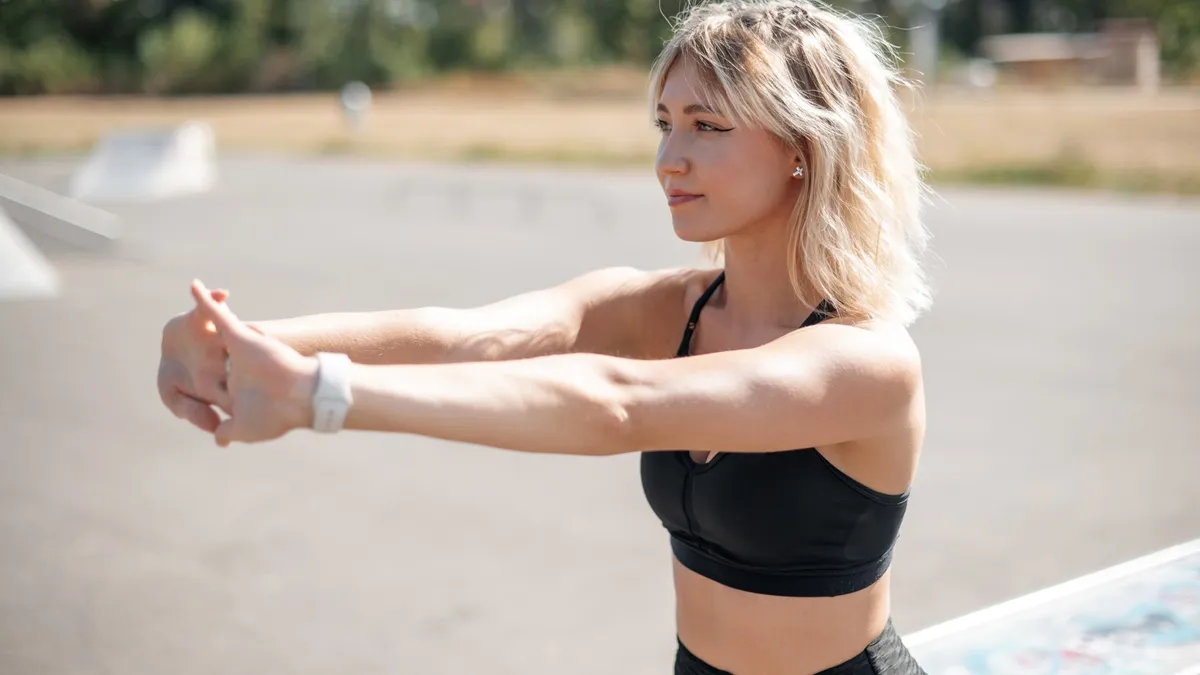
Healthy shoulders are vital for posture, injury prevention, and movement mechanics. If you don’t take care of your shoulders now, they won’t take care of you later.
Wall exercises are beginner-friendly and can improve alignment using an unmoving surface you can't move past to test thoracic mobility. It might be frustrating at first, especially if your arm attempts to travel wide, but over time, this will help you control the motion and engage your stabilizing muscles.
This exercise might not look like much, but trust me, it's movement medicine for stiff joints.
Rotation is an important movement pattern for the most mobile joints in the body: your shoulders. This exercise uses rotation to engage your upper body and help release tension in the muscles surrounding the shoulder joints and spine. But it also deals with another important shoulder function: elevation and depression of the shoulder blades.
As you lift your arm, you elevate your shoulder, and as you lower it behind you, you draw the shoulder blade down again (depression of the scapula). Moving your shoulders through as many planes of motion as possible matters because this will increase overall mobility and stability by targeting the muscles that aid these specific movement patterns.
This exercise might not look like much, but trust me, it's movement medicine for stiff joints. Give it a try, and let us know how you get on. If you're currently working with an injury or health condition, I recommend checking in with your physician, physio, or a personal trainer first.
Follow Tom's Guide fitness on Instagram for more workouts, routines, tips, and tricks.

Follow Tom's Guide on Google News and add us as a preferred source to get our up-to-date news, analysis, and reviews in your feeds.
More from Tom's Guide