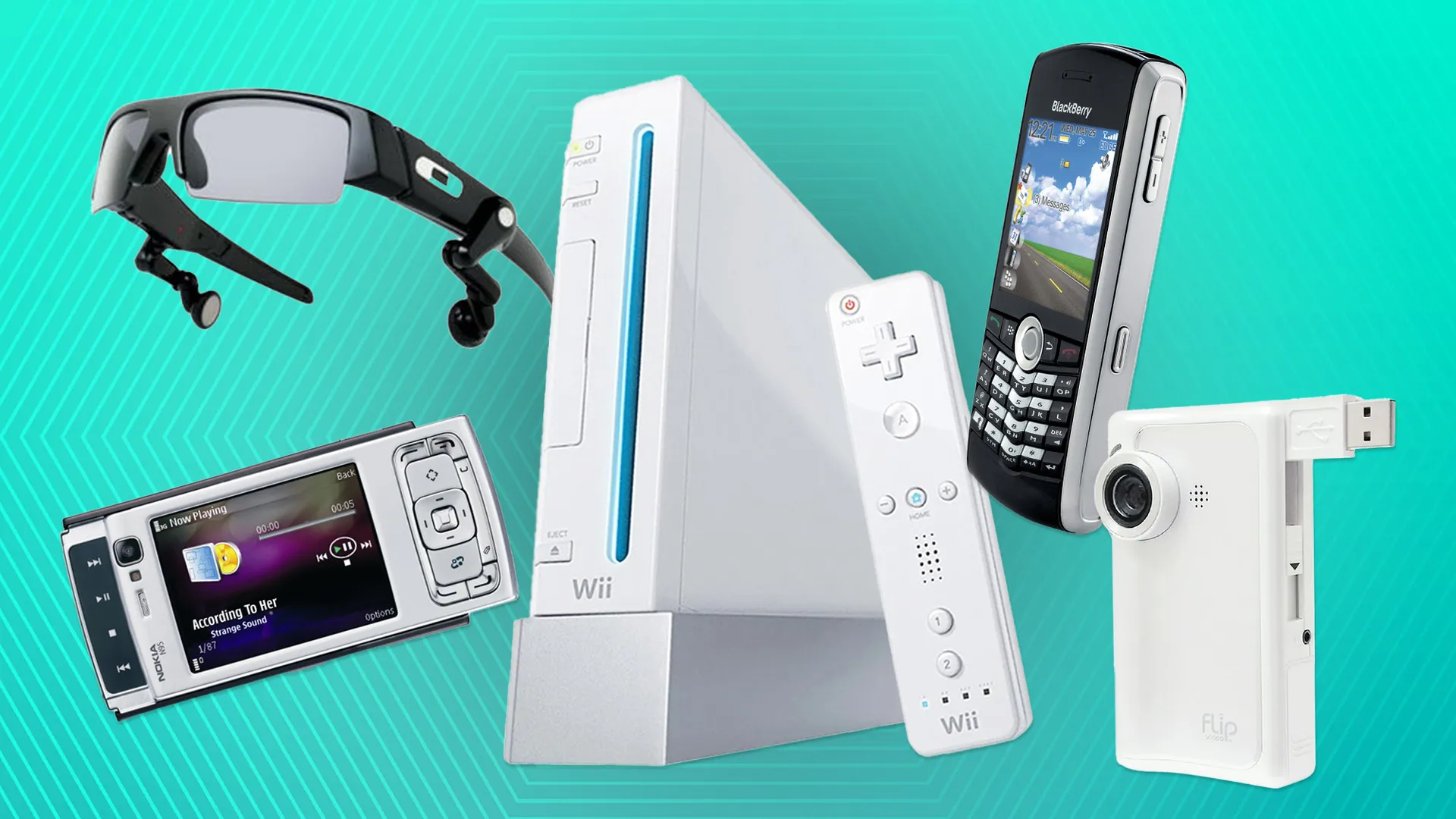
Since I cover tech for a living I get asked the same questions by friends and family every time we get together. Like “What’s new and cool right now,” or “What’s the next big thing?"
My answers have gotten less and less exciting over time. In the last 20 years, we’ve traded fun and sometimes wonderfully weird hardware innovation for iteration. Yes, smart phones are getting thinner and their cameras are getting better. But today, AI features are a much bigger deal now than hardware.
Think about gadgets 20 years ago and how interesting and different they were compared to what we’re getting today. In 2006-27, Nintendo re-invented the game console, Pure Digital made capturing and uploading video super cheap and Apple introduced the first MacBook Pro.
Here are 9 top gadgets from 2006 that make me more than a little nostalgic.
Nintendo Wii (2006)
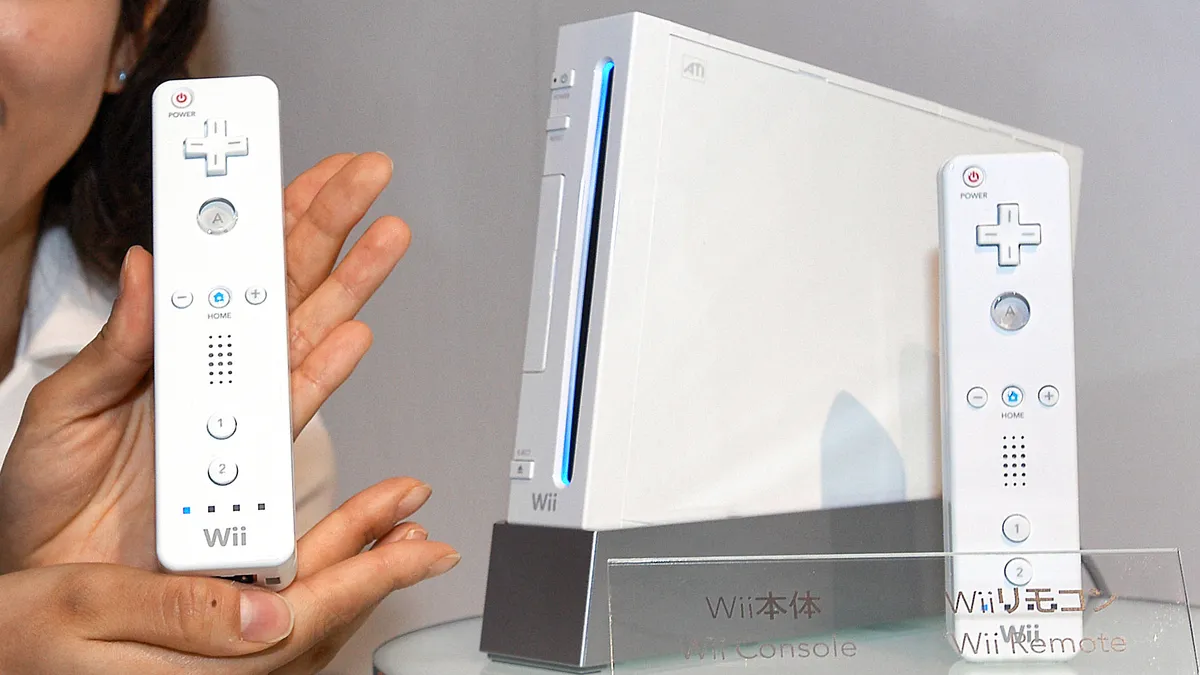
If you were old enough to pick up a controller in 2006, you are likely old enough to remember playing Wii Sports, especially bowling. Nintendo’s motion-sensing controllers revolutionized how we played video games, and the Nintendo Wii ($249) got millions of people off the couch and moving. It also did an amazing job of bringing families together and was also just a great party game console. Despite some broken TVs — how many of you forgot to attach the strap to your wrist — overall the Wii was about as fun as gaming gets.
Flip Video (2007)
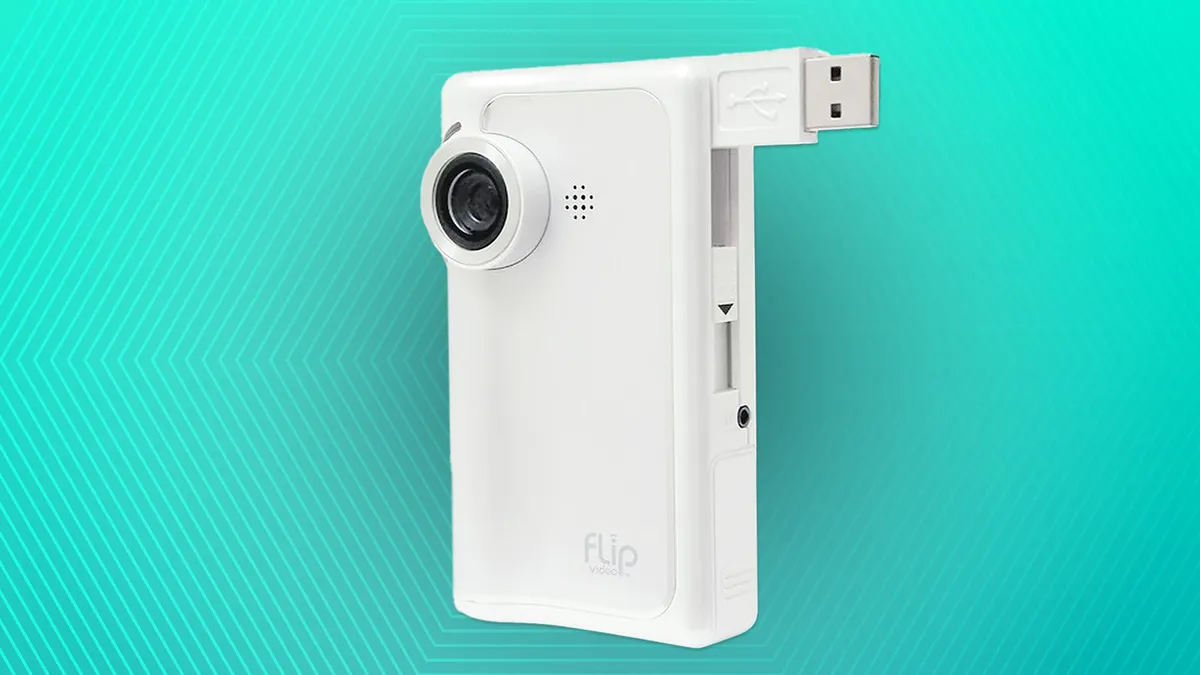
I was lucky enough to test the Flip Video ($130) from Pure Digital back in the day, and it was a huge deal because it allowed users to simply flip-out the USB arm and plug it into a computer. Video recording phones were not quite the rage yet, and this design made it delightfully simple to upload and share your footage. Yes, the 720p resolution was low-res and you didn’t get expandable SD storage, but I had a blast capturing family memories on this thing.
Nokia N95 (2006)
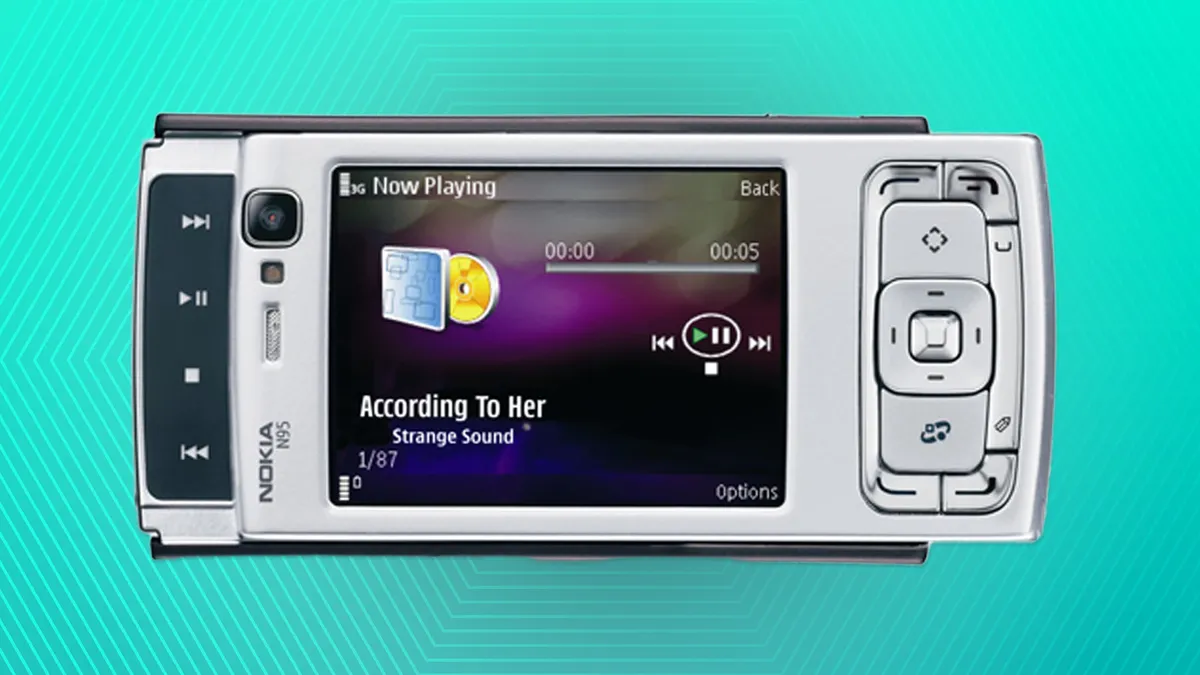
I didn’t know it at the time, but the Nokia World event I attended in Amsterdam in 2006 was the beginning of the end for a brand that reached as high as 40% market share for mobile phones. Of course, the iPhone would come along and change everything in 2007. But before that, Nokia announced the Nokia N95, which it called a “multimedia computer.” The N95 was the most feature-packed mobile to date with a 5MP Carl Zeiss camera, built-in GPS and an iconic dual-slide mechanism. Sliding the screen up revealed the keypad, and sliding it down revealed media playback controls.
Slingbox (2005)
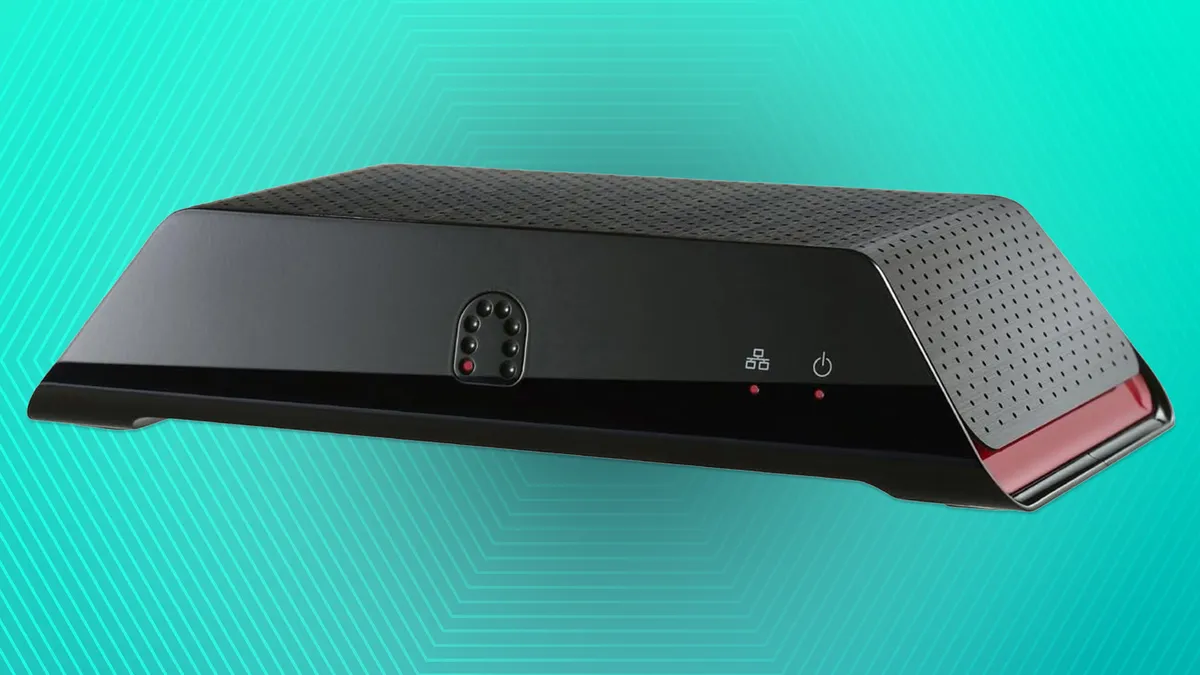
Before there was YouTube TV, this was the best game in town. The original Slingbox was introduced in 2005, but sales started to take off in 2006. The premise was simple. Connect this device to your cable box, and you’d be able to watch your favorite shows, movies and sports away from home on your laptop. The original model supported only one-to-one connections but the Slingbox Pro could handle up to four different sources.
BlackBerry Pearl (2006)
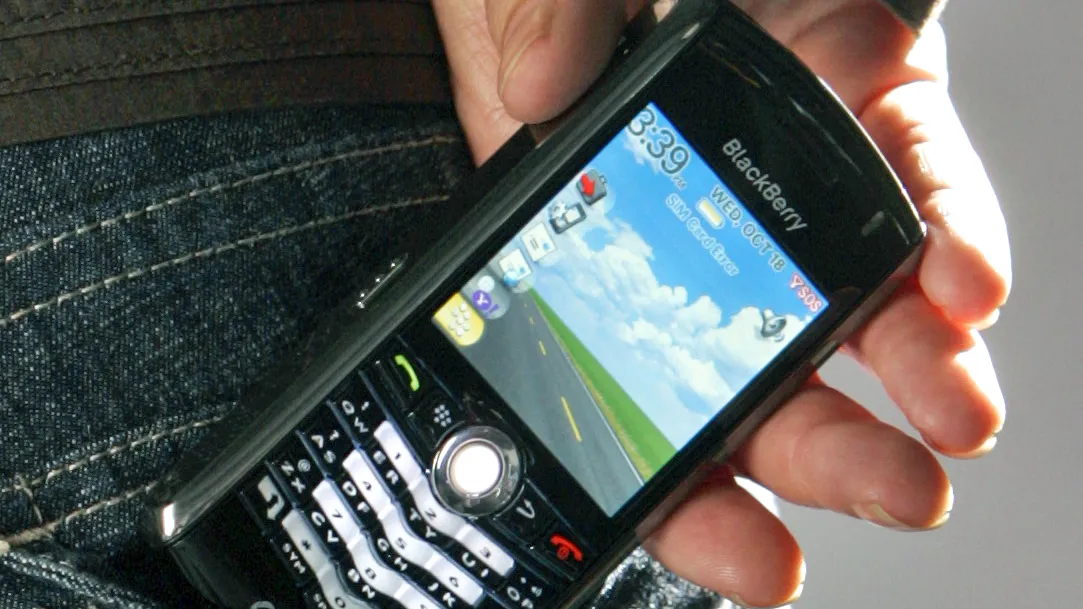
Remember when phones were weird? The BlackBerry Pearl attempted to take the mobile email machine from the business world to the masses. And the experiment worked with a much slimmer design than previous BlackBerries, an innovative trackball for navigation and a built-in camera (a first for the lineup). The SureType keyboard was controversial because it stuffed two letters on a single key, but overall it was a hit.
Kodak EasyShare V570 (2006)
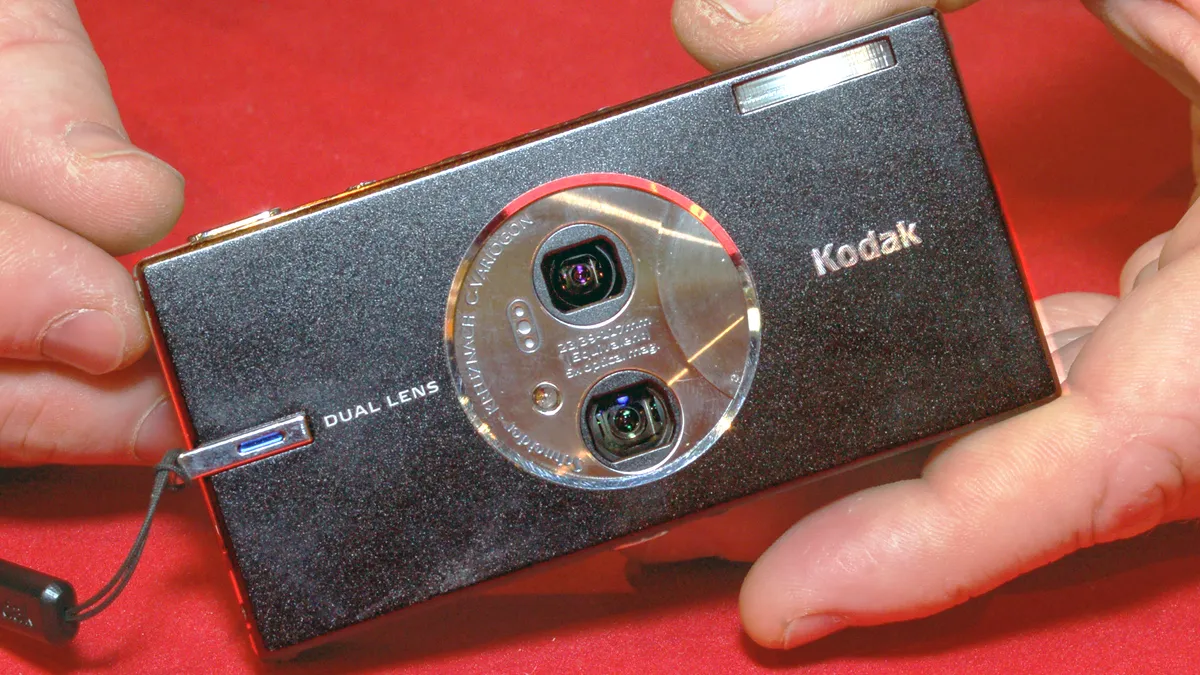
Today we take multiple-camera setups on our phones for granted, but the Kodak EasyShare V570 was a groundbreaking point-and-shoot in 2006 because it offered a dual-lens system. You got both a 23mm ultra-wide lens and a 29-117mm optical zoom lens in a single design. The lenses also used folded optics so they didn’t extend outside the camera, which is pretty remarkable for a 5x optical zoom camera. No wonder this camera won a gold medal at the 2006 Industrial Design Excellence Awards.
Apple MacBook Pro (2006)
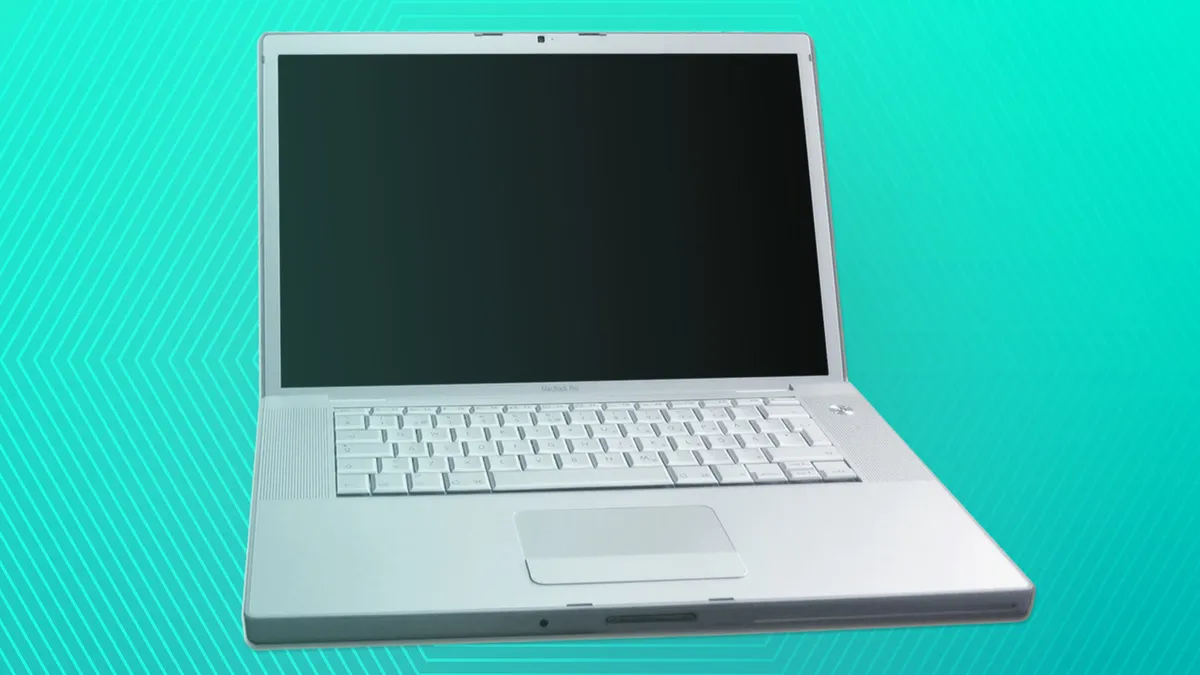
When Apple launched the first MacBook Pro back in 2006, it was chock-full of firsts. This was the first MacBook to use an Intel processor, ditching the previous PowerPC G4. It also introduced a MagSafe power connector, a magnetic charging port that disconnected safely if someone tripped over the cord. And you got a built-in iSight camera for the first time. The inch-thick notebook was bulky by today’s standards, but this 15.4-inch aluminum widescreen beauty paved the way for modern laptops.
Garmin nuvi 660 (2006)
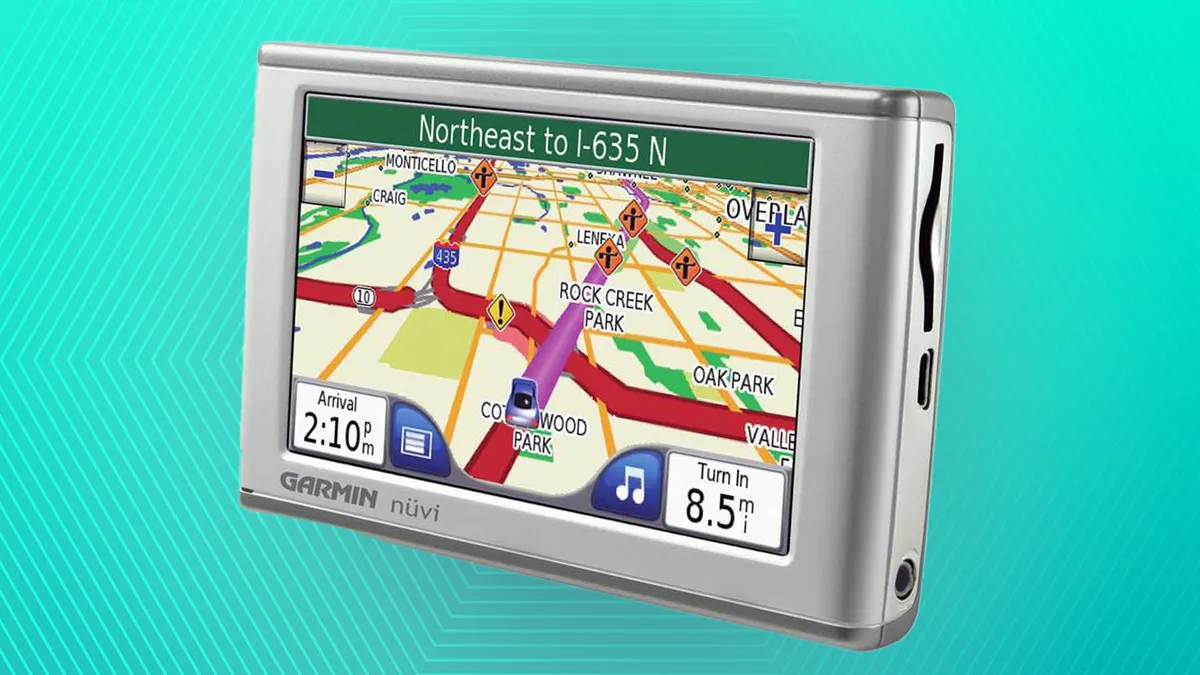
Before GPS navigation became a standard feature in phones with Google Maps — the Motorola Droid in 2009 paved that road — the Garmin uni 660 was the pinnacle of standalone GPS units. It featured a 4.3-inch sunlight readable touchscreen (a big leap from 3.5 inches on other units), Bluetooth for making and receiving calls and a built-in FM receiver for live traffic alerts. It even came with an FM transmitter so you could beam audio to your car’s radio.
Motorola O Rokr (2006)
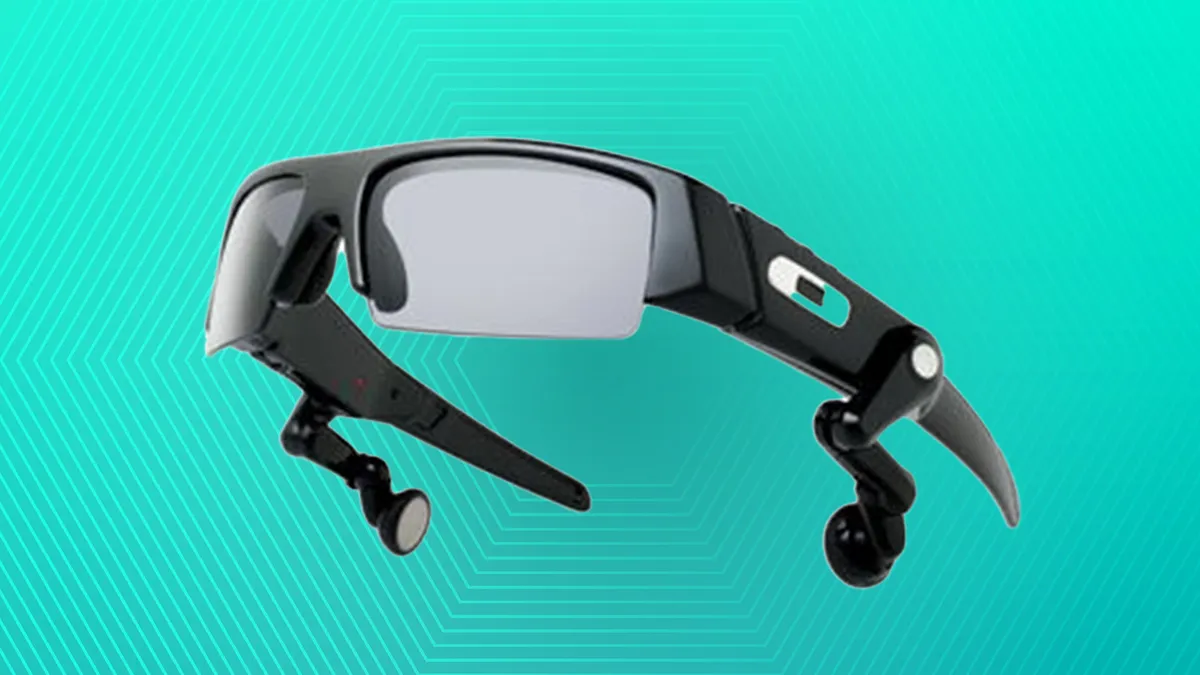
Yes, it’s dorky looking by today’s standards, but the Motorola O Rokr was one of the first pieces of wearable tech and a precursor to today’s smart glasses. A collaboration with Oakley, the O Rokr glasses delivered stereo music to your ears via Bluetooth with two small speakers attached to the arms of the glasses. And the frames featured physical buttons to play/pause music and skip tracks, as well as answer calls. You only got 5 hours of talk time and the $249 price was very pricey for 2006 money, but this was a very cool ahead-of-its-time gadget.
Your turn: Now tell us which gadgets impressed you most in this list and which ones you miss the most overall.

Follow Tom's Guide on Google News and add us as a preferred source to get our up-to-date news, analysis, and reviews in your feeds. Subscribe to Tom's Guide on YouTube and follow us on TikTok.
More from Tom's Guide