
I am not typically a procrastinator. I actually enjoy hitting deadlines and staying on top of work but when the day is over and I see piles of laundry, kids needing dinner and a list of chores, that’s where I start to unravel and procrastinate.
My lack of motivation usually shows with something small like leaving the clothes in the hamper rather than putting them away. But these otherwise easy tasks add up to be large time-consuming projects when left for too long.
I finally decided to see if AI could help get me back on track. This week, after work, whenever it felt like housework and errands were sucking my energy, I did something different. I asked ChatGPT to help me apply David Allen's 2-minute rule to my life. The idea is a simple one: If it takes less than two minutes, do it now.
And that one small decision turned into a very different kind of day. Here's how it works.
What is the '2-minute rule' and how can I apply it?
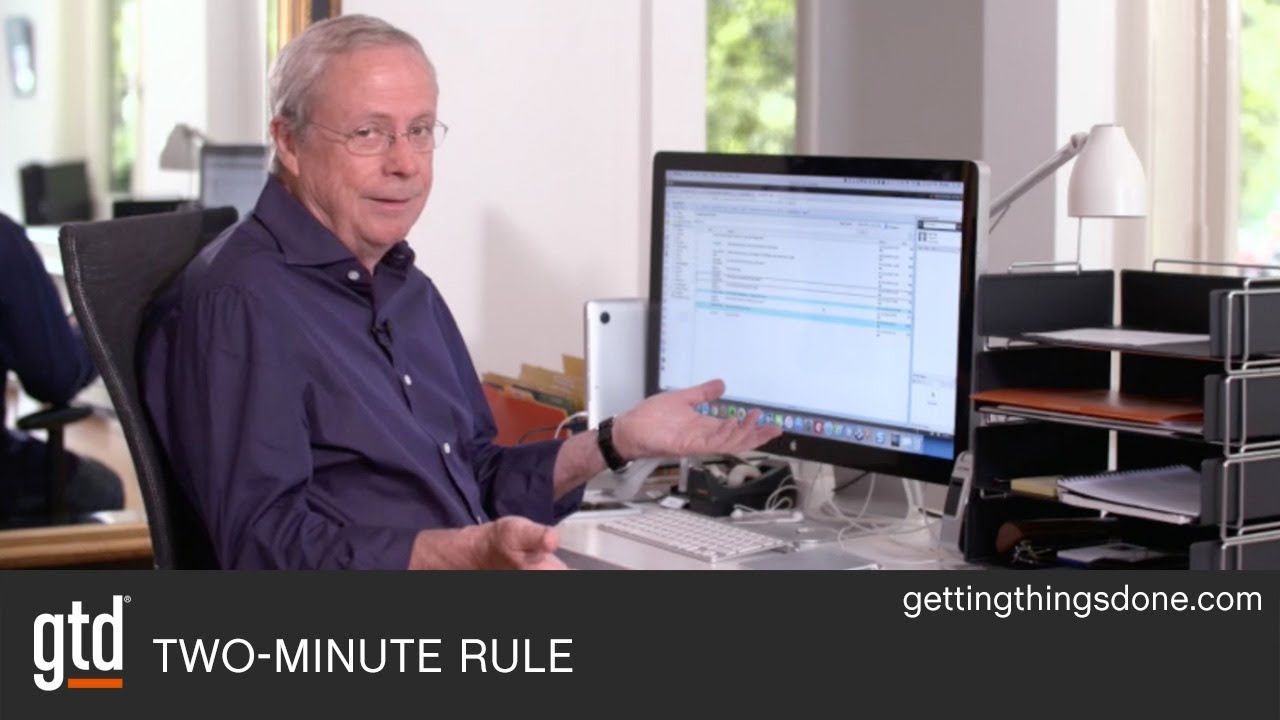
The idea comes from David Allen, and it’s famous for being the key to preventing procrastination before it starts. The rule itself is exactly what it sounds like. If a task takes less than two minutes to complete, you do it immediately instead of putting it off.
It takes longer to track, remember and revisit small tasks, so completing them instantly clears mental clutter and small wins build momentum. It sounded almost too basic to matter, but by asking ChatGPT to help me come up with a plan to implement it, I was hooked.
How I used ChatGPT to apply it

Instead of just trying to remember the rule, I turned ChatGPT into a filter.
My prompt: “I’m testing the 2-minute rule today. Every time I hesitate on a task, I’ll tell you what it is. Tell me if I should do it now or defer it — and be strict.”
Then I followed it without trying to negotiate my way out of it or convincing myself that I'd "do it later." I just started...doing it.
The first shift: small tasks stopped piling up

The first thing I noticed wasn’t some dramatic productivity breakthrough but it was enough to recongize that the usual pileup of tiny, annoying tasks stopped happening.
Those low-level to-dos that normally follow me around all day like a quick email I should answer, making an appointment that I've been putting off or just any small task that I'd been avoiding, started getting handled in real time. And I noticed that I was less anxious because I was no longer thinking about the task that I was putting off.
Normally, those small tasks sit in the back of my mind taking up space in my brain and quietly draining energy while I convince myself that I'll get to them "sometime.". They aren’t urgent enough to demand attention, but they’re persistent enough to create anxiety.
This time, instead of carrying them around all day, they were just done. And that changed more than I expected. My brain felt less crowded. I wasn’t mentally rehearsing unfinished tasks while trying to focus on bigger work. I had more attention for the projects that actually mattered because I wasn’t weighed down by ten miniature obligations nagging at me from the sidelines.
The second shift: I stopped procrastinating without realizing it

Something I didn't expect from this experiment-turned-habit is that I simply stopped procrastinating because it felt different. It was no longer of interest to me to put things off because I realized how simple it was to just get them done. A lot of the things I was putting off were not difficult. They were usually just mildly inconvenient.
But with the 2-minute rule in place, I didn’t give myself time to overthink. If it was quick, I just did it. The moment I removed the decision-making process, the procrastination lost its power. And I think that was the real key here; I wasn’t suddenly more motivated. I had simply created a system that didn’t rely on motivation in the first place.
Where it actually surprised me

I expected the 2-minute rule to help me clear a few emails, reply to messages faster and stay on top of small admin tasks. And it did. But the real payoff showed up somewhere else entirely in my every day life.
Once I started knocking out small tasks quickly, it became noticeably easier to start bigger ones.
Usually, the hardest part of meaningful work isn’t the work itself, it’s getting started while your brain is crowded with ten unfinished little things competing for attention. For me, sometimes thinking about what I have to do is actualy more exhuasting that actually doing it.
Once I stopped carrying those unfinished micro-tasks around, things shifted.
The rule isn't perfect

Despite no longer wanting to procrastinate things like folding laundry, scheduling appointments or mundane chores, the 2-minute rule isn't perfect. Sometimes I would misjudge how long something would take and spent way too long completing what I thought would be a quick task.
Plus, real life happens. Even if my intentions were good, I was still interrupted by kids and everything in between, which made me put off some tasks whether I wanted to do them or not. And sometimes, stopping to check with ChatGPT added a tiny bit of frustration. But even then, the rule made it easier to reset.
The takeaway
Sure, I could’ve tried the 2-minute rule on my own. But using ChatGPT made a difference. It acted like a real-time decision filter by removing the “should I or shouldn’t I?” moment that usually slows me down. Instead of thinking about what to do, I just did it.
If you're trying to get more done and procrastinate less, give the prompt a try. Let me know in the comments how it worked for you.

Follow Tom's Guide on Google News and add us as a preferred source to get our up-to-date news, analysis, and reviews in your feeds.
More from Tom's Guide