If you've been researching the best TVs recently, there's a good chance you've run into two terms that sound nearly identical but actually mean very different things: Micro-LED and Micro RGB.
One of these is actually a next-generation display technology that some people have been waiting for years to see in the mainstream. The other is still an interesting improvement for TV technology, but nowhere near as groundbreaking.
Curious about what the difference really is? Let's break them down to understand what's going on.
What is Micro-LED?

Micro-LED is what many consider to be the next big leap in display technology. Despite its naming, it's actually quite different compared to Mini-LED.
Instead of using LED lights as a backlight, like Mini-LED TVs, Micro-LED displays are self-emissive. That means every pixel produces its own light — there's no backlight involved. Each pixel is built from three incredibly tiny inorganic LEDs — red, green, and blue. Those subpixels emit light and color independently, which is conceptually pretty close to how OLED works.
The big difference is that Micro-LED relies on inorganic materials instead of organic compounds, which should, in theory, eliminate the burn-in and color degradation concerns that have always followed OLED around, while also being potentially much brighter.
The problem is that manufacturing these panels at any meaningful scale has turned out to be extremely difficult and extremely expensive.
What you get from all of this is a display capable of near-perfect black levels (an off pixel is actually off), incredible brightness, and contrast ratios that are essentially infinite. The problem is that manufacturing these panels at any meaningful scale has turned out to be extremely difficult and extremely expensive. That's the next hurdle to jump before Micro-LED TVs make it to the mainstream in any meaningful way.

What is Micro RGB?
Micro RGB is a fundamentally different thing. Instead of replacing the LCD panel architecture, it upgrades what's behind it — the backlight.
Conventional LED-backlit TVs use white or blue LEDs to light up the liquid crystal layer from behind. Micro RGB ditches those in favor of tiny red, green, and blue LEDs that can be controlled individually to light up specific zones of the panel. That backlight then works alongside the liquid crystal layer and a color filter to produce the image you actually see.
Micro RGB TVs will likely be meaningfully better than Mini-LED TVs ... but they're not the Micro-LED TVs we've been waiting for.
To be clear, this does make for excellent image quality, and Micro RGB TVs will likely be meaningfully better than Mini-LED TVs ... but they're not the Micro-LED TVs we've been waiting for.
Samsung is the main company using the "Micro RGB" branding, but other companies have been using a similar approach, sometimes with different terms, like "RGB Mini-LED," which uses larger backlight LEDs, but still adopts the concept of having red, green, and blue backlighting. Samsung's "Micro RGB" branding reflects smaller LED sizes, but the core idea is the same.
Micro-LED vs Micro RGB: Black levels
Achieving deep black levels combined with bright highlights is where these two TVs differ a little. Micro-LED, being self-emissive, can shut individual pixels completely off. An off pixel emits zero light, which gives you true black. It's the same advantage OLED has held over LCD for years, except Micro-LED delivers it with inorganic materials that don't degrade the same way organic compounds do.
Micro RGB has made massive improvements in local dimming, but it still can't get to true black. The larger backlighting zones means that while these TVs can achieve true blacks in some scenarios, they don't have as much control over backlighting, which can lead to things like blooming.
Winner: Micro-LED
Micro-LED vs Micro RGB: Brightness and Contrast

There's no clear winner when it comes to brightness just yet. Micro RGB TVs are getting pretty huge brightness levels — but brightness is also an area where Micro-LED technology differentiates itself dramatically from OLED.
Ultimately, Micro-LED TVs have the potential of higher contrast ratios — because of the fact that they can deliver true black levels on a per-pixel basis. To be clear, Micro RGB TVs offer excellent contrast and huge brightness. But, until Micro-LED TVs become mainstream, it's hard to say which technology will truly win.
Winner: Tie (for now)
Micro-LED vs Micro RGB: Color
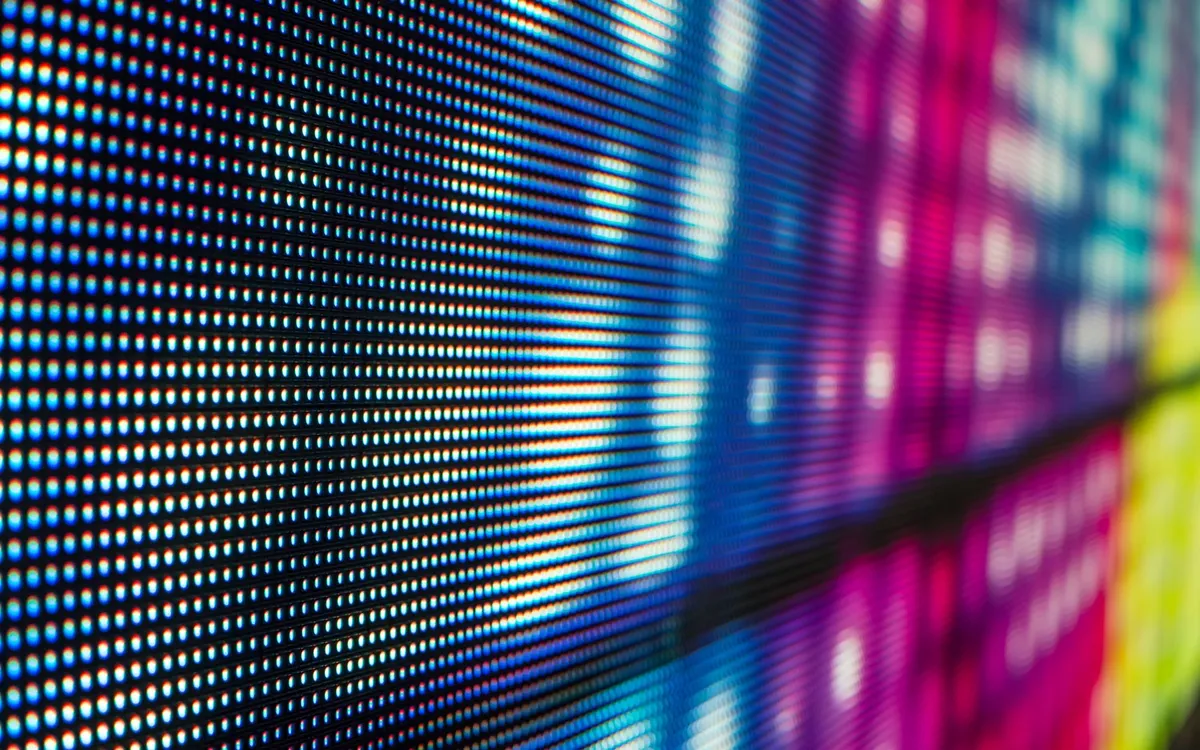
Color is a little more nuanced. Samsung has claimed its Micro RGB technology hits 100% coverage of the BT.2020 color space, which is a pretty remarkable achievement. If that holds up, it would give Micro RGB a meaningful lead over current Micro-LED implementations, but there aren't a whole lot of those yet, so it's perhaps not a very fair comparison.
That said, there are reasons to be cautious with those marketing figures. Manufacturer claims around color accuracy and performance specs often don't really reflect real-world use. The RGB backlight approach (where the backlight color more closely matches the pixel color being produced) does have genuine theoretical advantages for vibrancy and accuracy compared to traditional white or blue LED backlighting. But the actual gap between Micro RGB and Micro-LED remains to be seen.
Micro-LED's self-emissive design means each subpixel produces its color on its own, with no filtering or backlight coordination involved, which could deliver more accurate and more consistent color reproduction across the entire panel. Neither technology has been in consumer products long enough for thorough independent testing to settle this debate once and for all.
Winner: Tie (for now)
Micro-LED vs Micro RGB: Size and Price
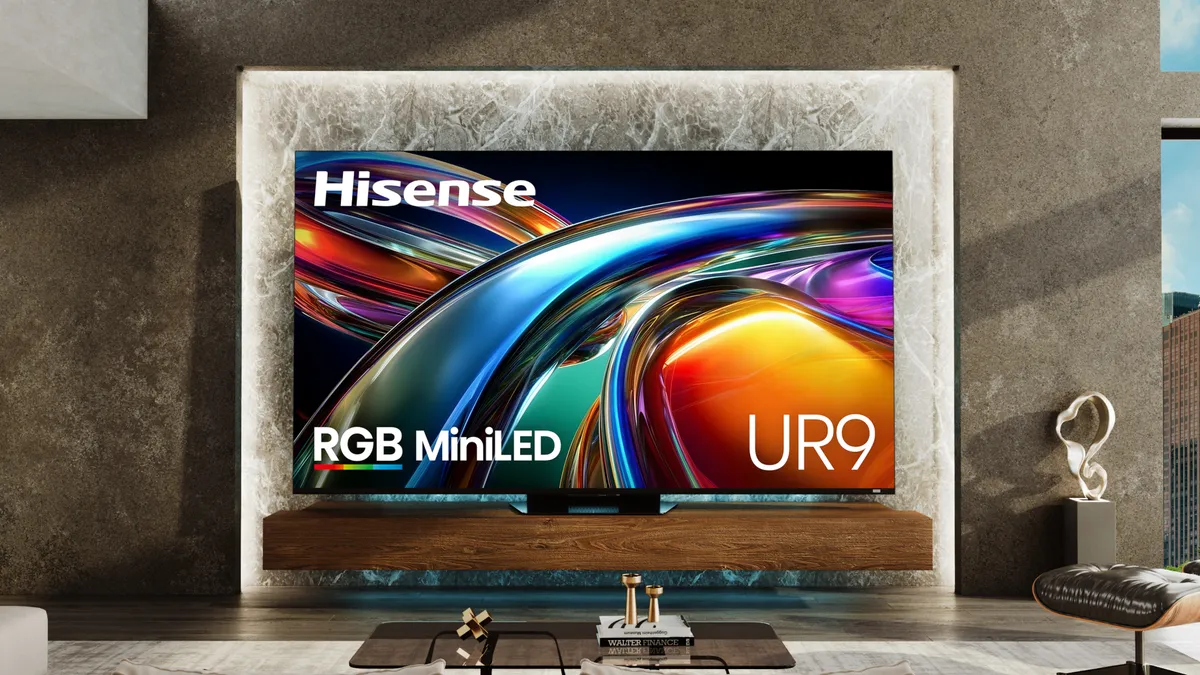
The fact is that Micro-LED is still very expensive — and that's probably not going to change for at least a few years. Turns out, it's not easy to manufacture millions of microscopic LEDs and place them perfectly at scale.
Micro RGB is more affordable by comparison, though Micro RGB TVs are still in the premium category. For reference, Samsung's new Micro RGB TVs start at $1,600 for the 55-inch R85H. Because it's LCD-based, it benefits from established manufacturing infrastructure and supply chains, which naturally keeps costs lower than a completely new display architecture like Micro-LED.
Micro RGB TVs come in more conventional screen sizes, too, making them a far more realistic option if you want cutting-edge picture quality without spending what you'd pay for a car — or a house.
To be clear, neither technology is cheap by normal standards. Widespread adoption of either one depends on continued cost reductions and manufacturing improvements. For the time being, Micro RGB is the more accessible of the two, and it's not particularly close.
Winner: Micro RGB
Which one is the better TV technology?
Micro-LED has the potential of being better than Micro RGB — but that all depends on bringing manufacturing costs down enough to build them at scale. Micro-LED is self-emissive, it doesn't compromise on blacks, and it sidesteps the inherent limitations of the LCD stack entirely. If budget weren't a factor and availability weren't an issue, Micro-LED would be the obvious pick for most people.
For now, though, Micro RGB TVs are a whole lot more accessible than Micro-LED ones. Micro-LED is still too expensive for mainstream adoption, and the manufacturing challenges aren't getting solved anytime soon. Micro RGB, on the other hand, is a genuine and meaningful step up from traditional LED-backlit LCDs.
It's also worth keeping in mind that neither of these technologies is expected to kill off OLED, which keeps innovating and improving on its own. Micro RGB is a real advancement for LCD TVs specifically, but it's not a replacement for self-emissive technology.
If you're in the market for a high-end TV right now, it's probably better to choose between Micro RGB vs OLED than Micro RGB vs Micro-LED.

Follow Tom's Guide on Google News and add us as a preferred source to get our up-to-date news, analysis, and reviews in your feeds. Subscribe to Tom's Guide on YouTube and follow us on TikTok.
More from Tom's Guide