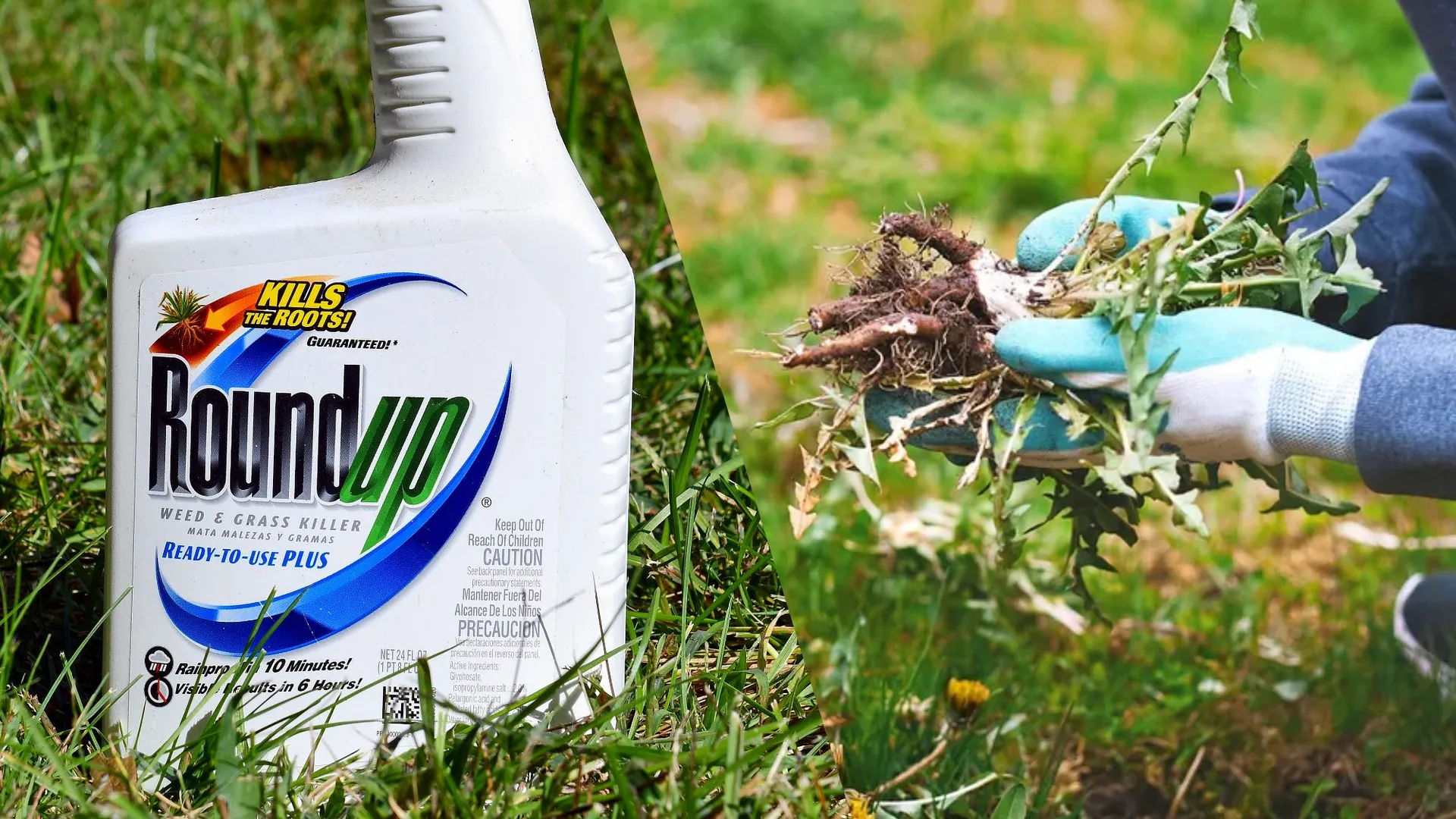
Roundup, the most widely used weedkiller in the U.S., is currently being discussed in the Supreme Court over whether it is safe. The high-profile case, widely reported in the media, including CNN, has raised issues about the health risks of glyphosate in the weedkiller and its link with cancer.
With heightened concern about the safety of weedkillers, there has been a rise in interest in alternative products and how to keep your yard weed-free without risking your health.
At Tom’s Guide, we regularly report on alternative methods to keep weeds at bay in your yard and how to remove them. Here we take a look at 6 organic ways to treat weeds naturally.
1. Mulch
Stopping weeds before they grow is always the best measure, and Chriss Handley, lawn care specialist at Online Turf, agrees. She told Drugwatch, “Prevention is always key and is your strongest battle against weeds when it comes to getting the best use out of your eco-friendly weed killer alternatives,” Handley said. “You also may have to reapply and be more persistent with the eco-friendly solutions to get the full effect.”
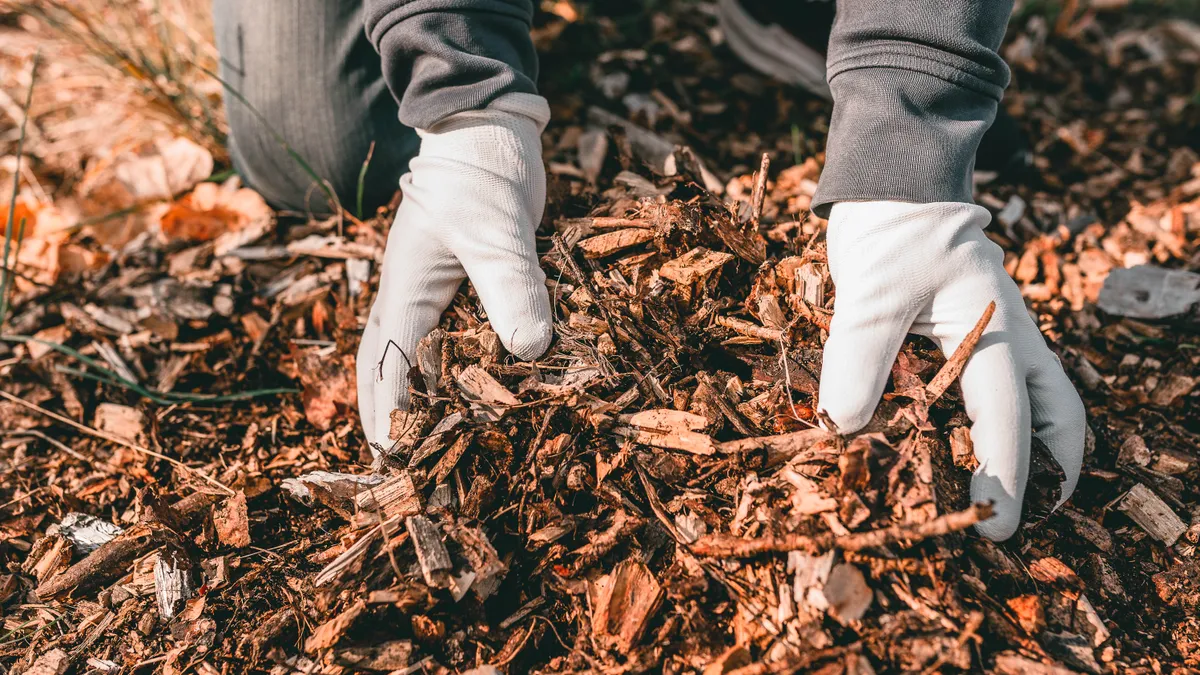
One of the best ways to prevent weeds is to cover your soil with a mulch. It acts as a physical barrier that blocks sunlight and stops weed seeds from germinating. A two to four-inch layer of an organic mulch, such as wood chips or bark, will suppress weeds and help to retain moisture.
You could also try newspaper and cardboard to suppress weeds.
2. Manual removal
Removing weeds manually can be backbreaking, which is why preventing them in the first place will save you time. However, there are plenty of weed-removing tools to help you get to the root of the problem.
I like using a dandelion weeder to remove these tough yellow flowers, such as WorkPro’s Dandelion Weeder, $14 at Amazon. Grampa’s Weeder, $39 at Amazon, is another top choice, which will save your back.
3. Acid-based herbicides
Vinegar is a safe alternative that dries out weeds. The acetic acid destroys plant cells and removes moisture, causing the weed to dry out within a few hours.
However, be warned, it will destroy any plant it touches, so use it with care. For this reason, it’s a good solution for walkways and driveways, rather than spraying it over your flower beds.
You may want to buy a horticultural vinegar to get rid of your weeds, as it contains 30% or above of acetic acid, whereas culinary vinegar contains between 4% to 8%.
4. Corn gluten
Corn gluten can be an effective product for eliminating germinating seeds, but it needs to be reapplied after rain and can be expensive.
Corn meal should be applied in the early spring and again in early September to target spring and fall weed cycles. You could try Espoma Organic Weed Preventer Plus Lawn Food, $68 at Amazon.
However, don’t confuse corn gluten with corn starch; they are two different products.
5. Iron-based herbicides
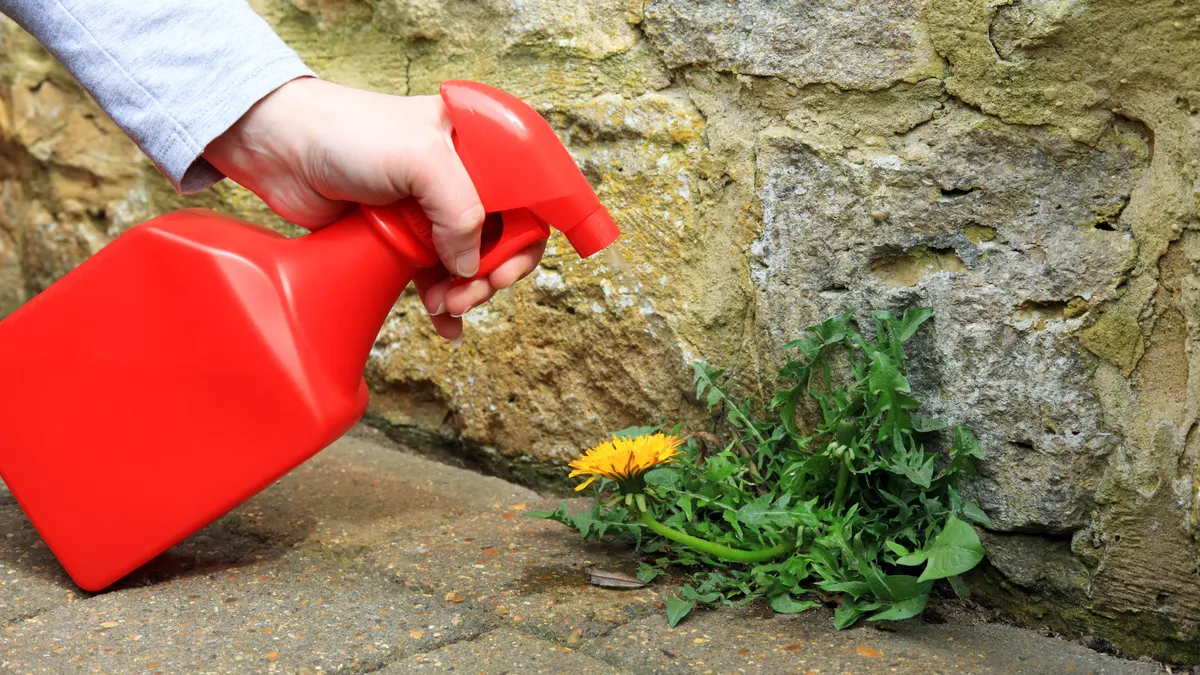
Iron-based herbicides catch post-emergent weeds in your lawn, such as broadleaf weeds and moss. The weeds are overloaded with chelated iron and dry out within 24 hours. You could try Bonide - Weed Beater Ultra, $27 at Amazon.
Iron-based herbicides work best on young weeds, so try to catch them in the spring rather than leaving it until the weeds have matured, as the results will be slower.
6. Herbicidal soaps
Another organic method to remove weeds is to use herbicidal soap, which dissolves the wax on leaves, drying them out. This method is best used on young plants, as it only affects the part of the plant where it is sprayed and doesn’t carry to the roots. But once treated, the weed should turn brown and die in a few hours.
For this reason, it’s also suitable to use on lawns, as it won’t damage the surrounding grass. You could try Liquid Harvest Lawn Weed Killer, $39 at Amazon.

Follow Tom's Guide on Google News and add us as a preferred source to get our up-to-date news, analysis, and reviews in your feeds. Subscribe to Tom's Guide on YouTube and follow us on TikTok.
More from Tom's Guide