The biggest problem with the best electric cars is that they are quite expensive when you buy them new. A lot of non-electric cars are, too, but the amount of tech car makers stuff into their EVs means the price tag does creep up. Especially if you're looking for something with a big battery and long range.
There are some alternatives here. The first is to get your car on a lease, though that only swaps out the large payment for a fixed-term monthly fee — which is hardly a good cost-saver in the long term. The other option is to pick up a used model, either a former lease or a car someone decided they didn't need anymore. This is where the savings lie, and according to a new report, it's actually the cheapest kind of car you can own.
Some people will have concerns about buying a used EV, especially if they've heard too many rumors about long-term battery health. But I've been driving a used EV for the past five years, and I have zero regrets about the whole thing.
Why are used EVs cheaper to own?
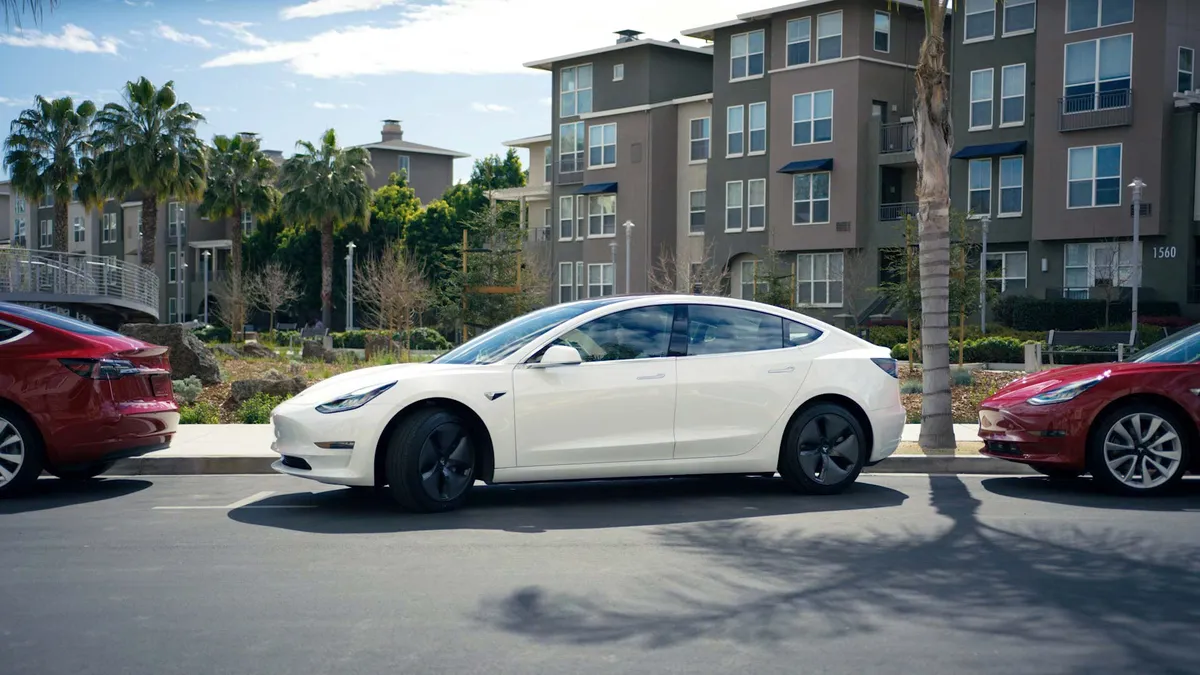
The report in question looked into all the ownership costs of different kinds of cars, including EVs, hybrids and traditional internal combustion engines, while also looking at the actual cost of ownership. That includes purchase price, charger installation costs, fuel, insurance, maintenance and the final value of the car when it hits its 10th birthday.
The report found that while EVs depreciate quite heavily in their first 3 years, the loss of value tapers off after that time. The trends were similar to those of gas-powered cars, but the obvious difference is that electric cars incur significantly less maintenance costs during those final seven years.
We're talking thousands of dollars of difference from maintenance alone, with some vehicle types offering as much as $3,700 savings in favor of EVs. Plus, depending on where you charge your car, the cost of topping up the battery could come out noticeably cheaper than a visit to the gas station. Even more so if you charge at home, rather than using a commercial charging station.
Used EVs themselves have been priced increasingly cheaply in recent years. Suspiciously cheaply, at first glance, but it's all down to the fact that these models are often former leases that were returned at the end of their three-year contract.
Speaking to Gizmodo, Tyson Jominy, senior vice president of data and analytics at J.D. Power, predicts that there will be a surge of lease returns hitting the used market by the second half of this year. Without the used EV incentives that were previously available in the U.S., dealers are going to resort to competitive pricing to get used EVs off their lots.
In other words, used EVs will be sold for a fraction of their original value. Which makes the cost of an EV entry significantly cheaper than it would have been just a few years ago. You just have to be willing to buy a used electric vehicle first.
Trust me, I've had a used EV for 5 years
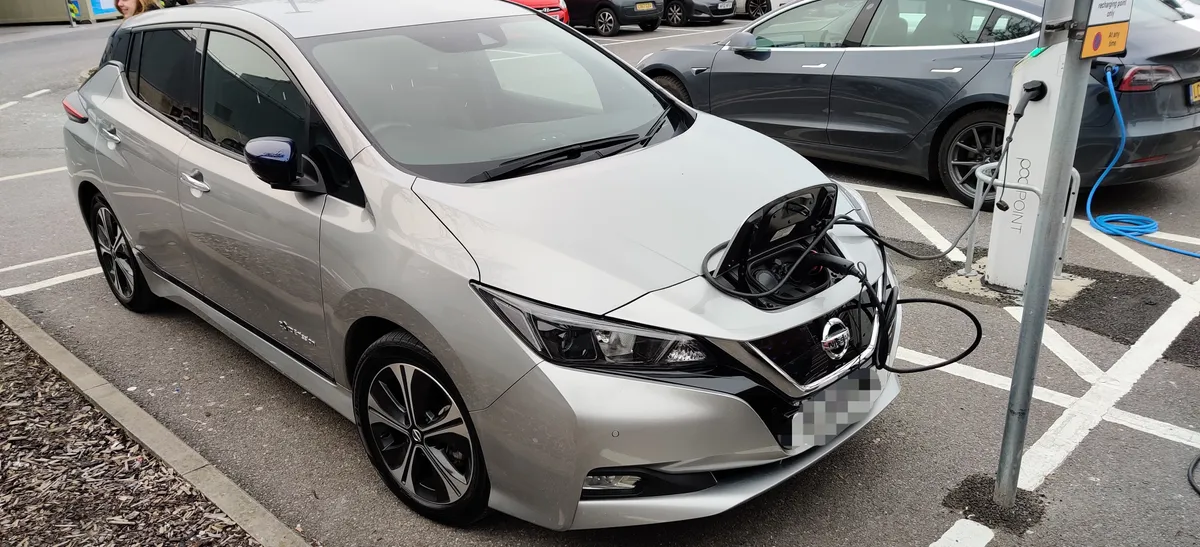
There are going to be people reading this who are skeptical of buying a used EV for one reason or another. The amount of doom and gloom about battery longevity that has circulated for the past several years is enough to make anyone pause. That goes double for anyone who has had experience with the original Nissan Leaf, which has an infamously poor battery and serious issues with long term degradation.
But not every EV is the Gen 1 Nissan Leaf. Some EVs have been on the road for over a decade, notably early Tesla models, which have racked up hundreds of thousands of miles with few ill effects. Even the Gen 2 Nissan Leaf, the car I currently own, is a stark improvement over its predecessor.
I purchased a two-year-old Leaf five years ago and have been driving it around ever since. I'm not going to pretend that it's all been smooth sailing, though. I have many gripes with the way Nissan built this car, and it's not aged well compared to other EVs of that era. Particularly when you look at the car's charging system and driving range.
But the battery and driving system? That's all operating the same as it ever did. The car's internal battery health gauge is full, which apparently means it's retained above 85% of its total capacity. I could use one of the best OBD-II scanners to dive deeper and get a more exact figure, but I haven't ever felt the need. Not when my range estimates have stayed pretty consistent in the last half-decade.
I have had to make some repairs, though, and they were not cheap fixes. EVs may have fewer moving parts that can break down or wear out, but things can still break, and the cost of fixing them can be expensive. My infotainment screen completely died on me a few years back, and sourcing a brand new replacement through Nissan would have cost a couple thousand dollars.
Generally, this is more indicative of the tech automakers have pushed into cars, and the lack of self-repair options, than an EV-exclusive issue. I'm thankful that these issues were relatively minor and wouldn't pull the car off the road. Plus, I had the foresight to buy an extended warranty, which turned out to be money well spent.
Random parts breakages aside, I don't have any real issues driving or maintaining my Leaf. It goes in for service once a year and passes with flying colors. They have been telling me I'm on the verge of needing my brake pads replaced for at least three years, but thankfully the car's regenerative braking system means I don't really use them that often. It's one less thing to have to worry about.
Bottom line: A used EV could be a great investment
Maybe if I could do things differently, I would have purchased a different car, or at least a Leaf with a larger battery, but I have absolutely zero regrets about buying a used model. Not only did I get the car for a generous discount (around $15k less than new), I've had very few issues with it.
The fact is, I plan on swapping my Leaf for something bigger in the near future, and I'm definitely going to pick up another used EV. I just need to decide which one. If you're going to be looking for a new car at some point in the near future, then it may be worth checking out which used EV models are actually available — and how much you might save.
Considering the low prices that can be found, and the potential savings you can make throughout the rest of its lifespan, you could score yourself a bargain.

Follow Tom's Guide on Google News and add us as a preferred source to get our up-to-date news, analysis, and reviews in your feeds.
More from Tom's Guide