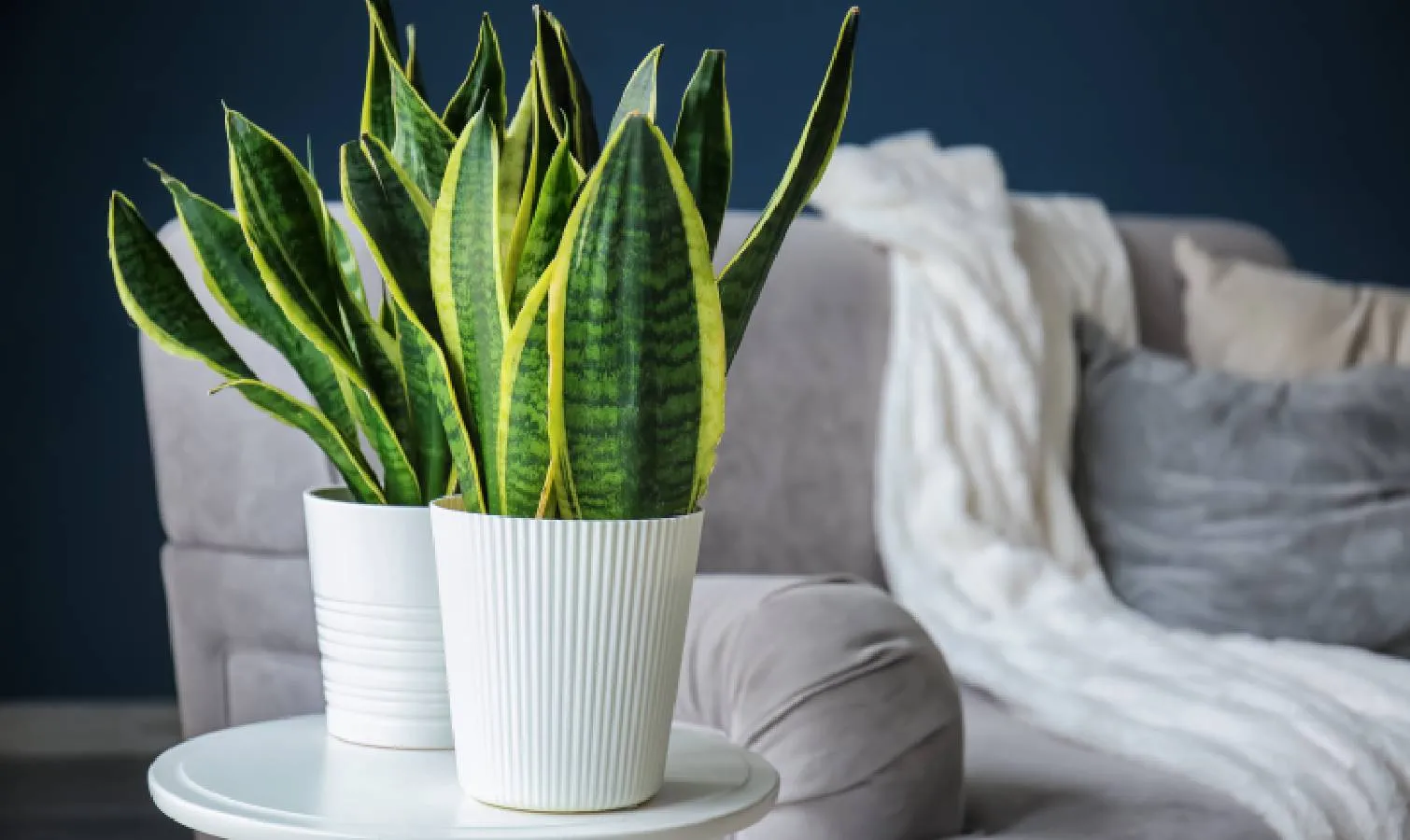
Snake plants are supposed to be indestructible. They tolerate neglect, survive low light, and go weeks without water. So when yours starts leaning, flopping over, or completely collapsing despite looking otherwise healthy, it's worrying.
Falling leaves aren't cosmetic. They signal the plant is structurally compromised at the base, either from roots that can't anchor properly or stems that have gone soft. The plant can't physically hold itself up anymore.
Here are three reasons your snake plant is falling over and how to fix each one.
1. Check for root rot from overwatering
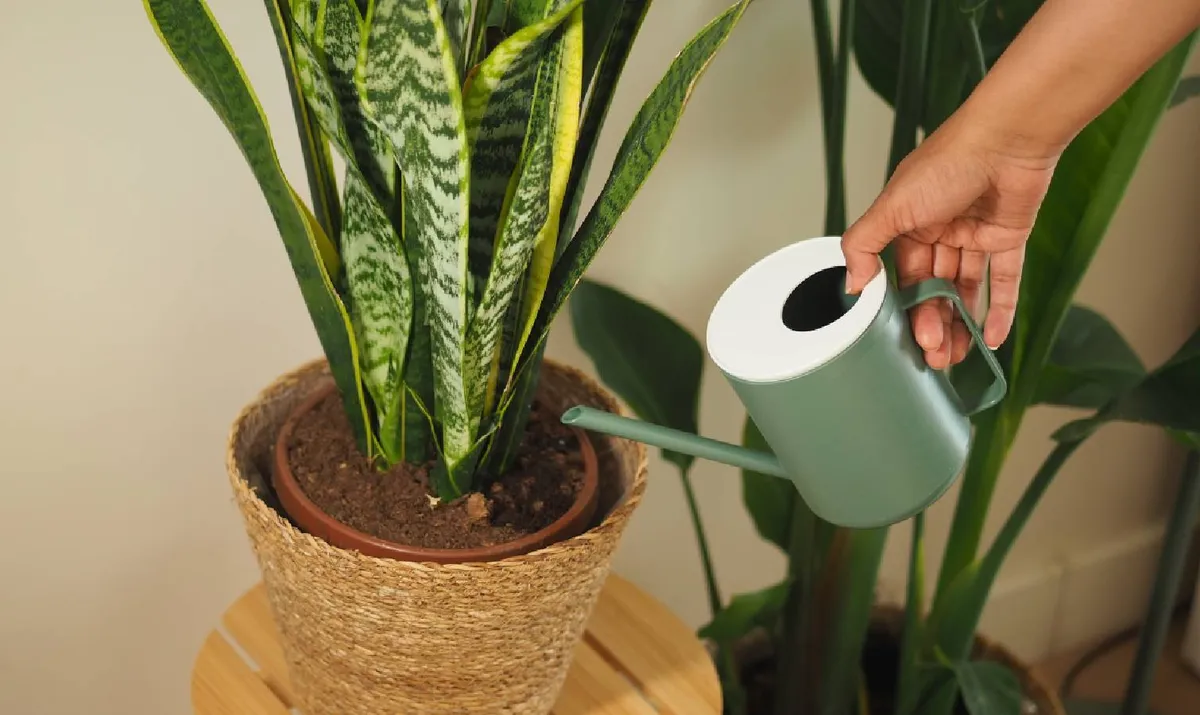
Overwatering is the most common reason snake plants fall over. Too much moisture causes root rot, which destroys the root system and makes the base of the plant mushy. Without healthy roots anchoring it and firm tissue at the base supporting leaves, the plant can't stay upright.
Snake plants store water in their thick leaves and roots like other succulents. They're adapted to drought and need infrequent watering. When watered too often or when soil stays constantly damp, roots suffocate and rot. The base of leaves becomes soft and weak, unable to support the weight of tall foliage.
Remove the plant from its pot and inspect the roots. Healthy roots are white or light tan and firm. Rotten roots are brown, black, mushy, and smell foul. If you find rot, trim away all affected roots with clean scissors or pruning shears.
Check the base of leaves where they emerge from the soil. If it feels soft or mushy rather than firm, that tissue is rotted. Cut away soft sections with a clean knife, removing all damaged tissue until you reach healthy, firm growth.
Repot in completely dry, fresh potting mix formulated for succulents and let the plant sit for 2-3 days before watering to allow cut surfaces to callus over and prevent further rot.
Going forward, water only when the soil is completely dry several inches down. This might mean watering once every 2-4 weeks, depending on light and temperature. Snake plants tolerate drought far better than excess moisture.
2. Move it to brighter light
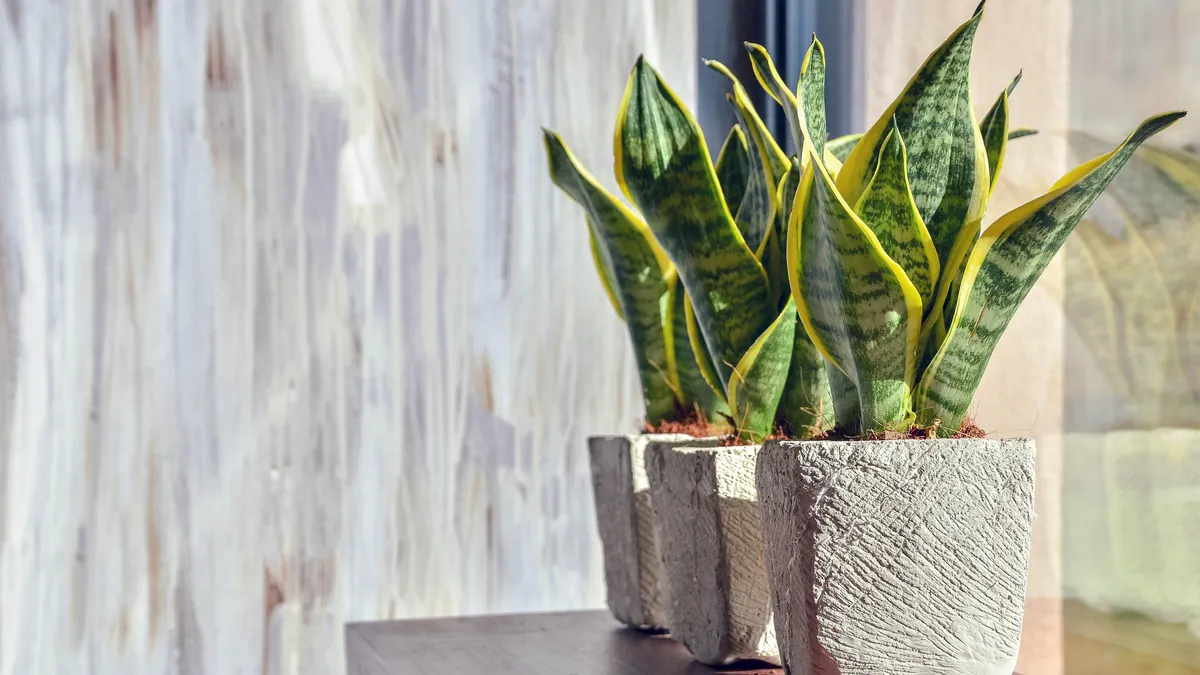
Snake plants tolerate low light better than most houseplants, but "tolerate" doesn't mean "thrive." Consistently low light causes weak, spindly growth that can't support itself structurally. Leaves grow thin and soft instead of thick and rigid.
In very low light, the plant stretches toward any available light source, growing leggy and thin rather than compact and sturdy. This etiolated growth lacks the strength to stand upright, especially as leaves get longer and heavier.
Move your snake plant to a location with bright, indirect light. Near a window that doesn't get direct afternoon sun works well. East-facing windows provide ideal morning light. A few feet back from south or west-facing windows gives brightness without burning.
Don't move from very low light to bright sun immediately, as this can shock the plant and even cause sunburn. Gradually increase light exposure over 1-2 weeks, moving the plant incrementally closer to brighter locations.
Stronger light encourages thicker, more rigid growth. New leaves that emerge after the move will be sturdier and better able to support themselves. Existing weak leaves may not recover their rigidity, but new growth will be healthier.
3. Repot if it's top-heavy or in poor soil
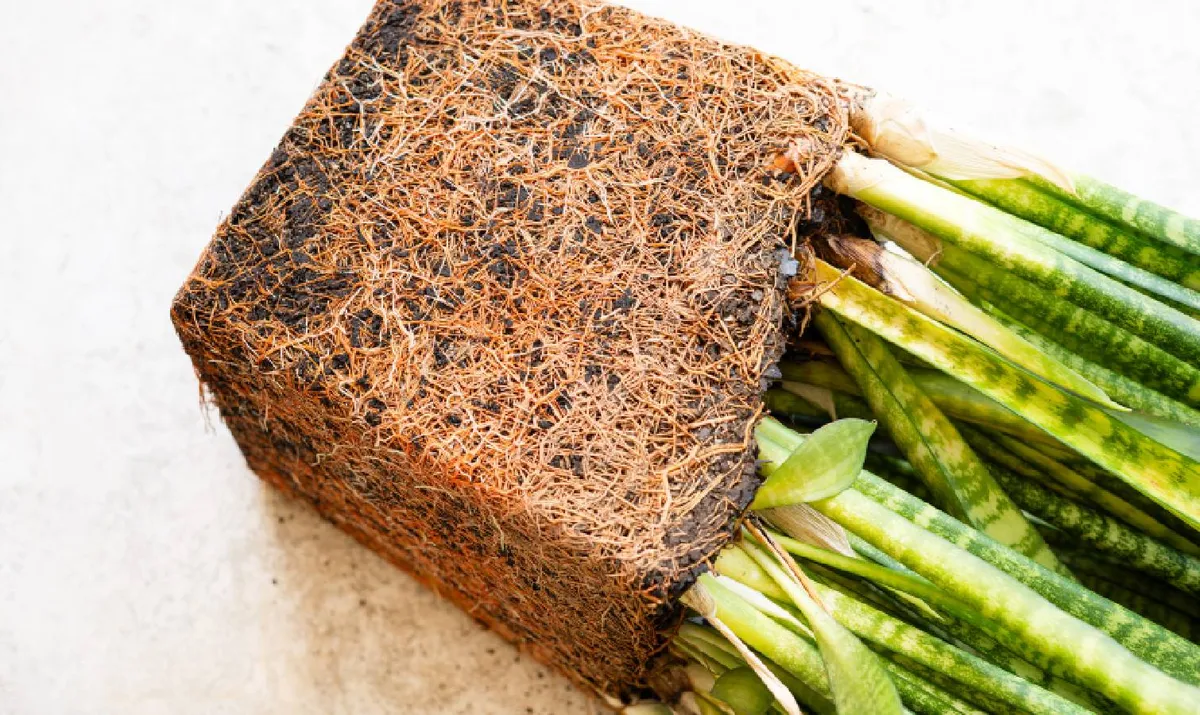
Very tall snake plants in small pots become top-heavy and tip over from their own weight. The pot doesn't provide enough stability, or the soil is too light and loose to anchor the plant properly.
Check if your pot is proportionate to the plant size. A tall, heavy plant in a small pot will constantly topple. Choose a pot roughly one-third the height of the plant for proper balance. Heavy ceramic or terracotta pots provide better stability than lightweight plastic.
Soil composition matters too. Fluffy, lightweight potting mix doesn't anchor roots firmly enough for tall, heavy plants. Use succulent or cactus mix that's grittier and provides better anchorage. Add perlite or coarse sand to regular potting mix if needed to increase drainage and weight.
When repotting, plant at the same depth as before — don't bury leaves deeper, thinking it will provide more support. Snake plants naturally grow with leaf bases at the soil level.
For extremely tall plants that keep falling despite proper pot size and soil, you can stake leaves temporarily. Insert bamboo stakes near leaning leaves and gently tie them upright with soft plant ties.
This isn't a permanent solution, but it gives the plant support while roots reestablish or new, sturdier growth develops.

Follow Tom's Guide on Google News and add us as a preferred source to get our up-to-date news, analysis, and reviews in your feeds. Subscribe to Tom's Guide on YouTube and follow us on TikTok.
More from Tom's Guide