Most houseplants don't die from complicated diseases or rare pests. They die from the same handful of mistakes nearly everyone makes, often without realizing they're doing anything wrong. You water on schedule because that's what you're supposed to do. You assume the pot your plant came in is fine. You place it somewhere convenient without considering light.
These small missteps add up. A plant that seems healthy one week suddenly declines the next, leaves yellowing or drooping for reasons that aren't immediately obvious. By the time the problem is visible, the damage is often already done. Here are nine houseplant mistakes almost everyone makes and how to fix them before your plants suffer.
1. Watering on a schedule instead of checking soil
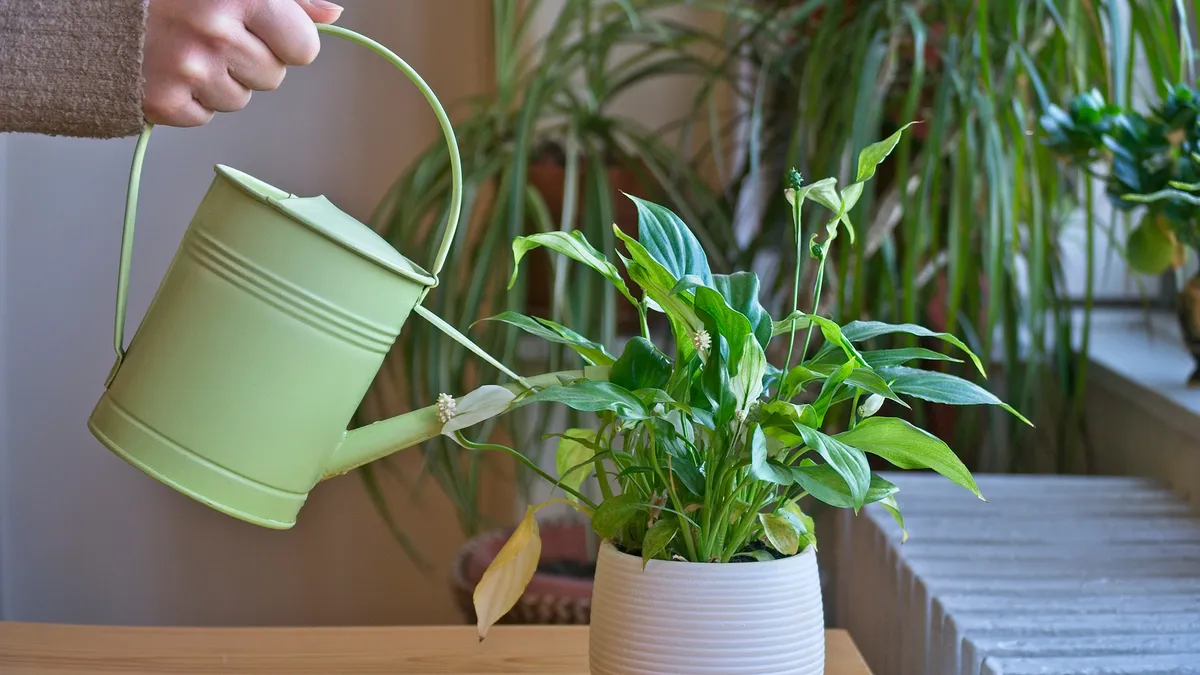
Watering every Sunday sounds organized, but plants don't need water on a fixed schedule. They need water when the soil dries out, which depends on temperature, humidity, pot size, and the plant's growth stage.
Sticking to a schedule means you're either watering too often when conditions are cool or not enough when it's hot and the plant is actively growing. This causes inconsistent moisture levels that stress roots.
Check soil moisture before watering. Stick your finger 1-2 inches into the soil — if it feels dry, water thoroughly. If it's still damp, wait. Different plants have different preferences, but this basic check prevents most watering mistakes.
2. Using pots without drainage holes

Pots without drainage holes trap water at the bottom even if the top layer of soil feels dry. Roots sitting in this water rot, and there's no way for excess moisture to escape.
Decorative pots often lack drainage. If you want to use them, keep your plant in a plastic nursery pot with drainage holes and place that inside the decorative pot. Remove the inner pot to water, let it drain completely, then return it.
If you insist on planting directly in a pot without holes, add a thick layer of rocks or gravel at the bottom and water very sparingly.
3. Not providing enough light

"Low light tolerant" doesn't mean no light. It means the plant can survive in lower light than others, but it still needs indirect bright light to thrive. Placing plants in dark corners or rooms without windows causes weak, leggy growth and eventual decline.
Most common houseplants need bright, indirect light — near a window but not in direct sun that scorches leaves. South and west-facing windows provide the most light. North-facing windows work for true low-light plants like pothos or snake plants.
4. Overwatering

Overwatering kills more houseplants than anything else. Roots need oxygen to function, and waterlogged soil suffocates them. Once roots rot, the plant can't absorb water or nutrients even though the soil is saturated.
Signs of overwatering include yellowing leaves, mushy stems, and a sour smell from the soil. By the time these symptoms appear, root rot has often progressed significantly.
Water thoroughly when the top inch or two of soil is dry, then let excess water drain completely. Never let plants sit in standing water in saucers or cache pots. Empty saucers after watering so roots aren't submerged.
5. Choosing the wrong pot size

Pots that are too large hold excess soil that stays wet long after roots have absorbed what they need. This creates the same waterlogged conditions that cause root rot.
Pots that are too small constrict root growth and dry out too quickly. The plant becomes root-bound, unable to absorb enough water or nutrients even with frequent watering.
Repot into a container only 1-2 inches larger in diameter than the current pot. This gives roots room to grow without surrounding them with excessive wet soil. Replace the pot every 1-2 years as the plant grows.
6. Inconsistent watering (feast or famine cycle)

Letting soil dry out completely, then soaking it, then letting it dry out completely again, stresses plants. This feast-or-famine cycle causes roots to alternately shrivel and swell, weakening the plant's overall health.
Some plants tolerate drought better than others, but even drought-tolerant species prefer consistent moisture patterns. Soil that goes from bone-dry to waterlogged repeatedly creates unstable growing conditions.
Water when the top 1-2 inches of soil are dry, before the entire root ball dries out completely. This maintains relatively consistent moisture without waterlogging. The soil should dry slightly between waterings, but not turn hard and pull away from the pot edges.
7. Using the wrong soil type

Regular potting soil works for most houseplants, but specialized plants need specialized mixes. Succulents and cacti need fast-draining soil with sand or perlite added. Orchids need bark-based mix that allows air circulation around roots.
Using the wrong soil type creates drainage problems even if you're watering correctly. Heavy soil holds too much moisture for plants that prefer dry conditions. Soil without enough organic matter doesn't retain moisture for plants that like consistent dampness.
Match soil to plant type. Succulents and cacti need cactus mix or regular potting soil amended with coarse sand or perlite. Tropical plants like moisture-retentive soil with peat or coco coir. Orchids need chunky bark-based mix.
8. Misting leaves instead of increasing humidity

Misting feels like you're helping humidity-loving plants, but it does almost nothing. The moisture evaporates within minutes, providing no lasting humidity increase. Wet leaves also encourage fungal diseases if water sits on them overnight.
Plants that need high humidity (like ferns, calatheas, and many tropicals), need sustained humidity levels, not brief surface moisture. Misting doesn't achieve this.
Use a humidifier near humidity-loving plants, group plants together so they create a humid microclimate, or place pots on trays filled with pebbles and water (pot sits on pebbles above water line). These methods actually increase ambient humidity.
9. Using tap water with high minerals

Tap water often contains chlorine, fluoride, and dissolved minerals that build up in soil over time. This causes brown leaf tips, white crusty deposits on soil surface, and can damage sensitive plants like prayer plants, spider plants, and dracaenas.
Chlorine evaporates if you let tap water sit in an open container for 24 hours before using it. Fluoride doesn't evaporate but dilutes slightly. For plants sensitive to minerals, use filtered water, distilled water, or collected rainwater.
If you see white crust on soil or brown leaf tips appearing on multiple plants, switch to filtered or distilled water for a few weeks and see if new growth improves.

Follow Tom's Guide on Google News and add us as a preferred source to get our up-to-date news, analysis, and reviews in your feeds. Make sure to click the Follow button!
More from Tom's Guide
- Your succulent is dying of thirst every time you mist it — do this instead
- How to revive a dying houseplant — 7 steps that actually work
- Houseplants taking over? Here's how to repot a Swiss cheese plant