



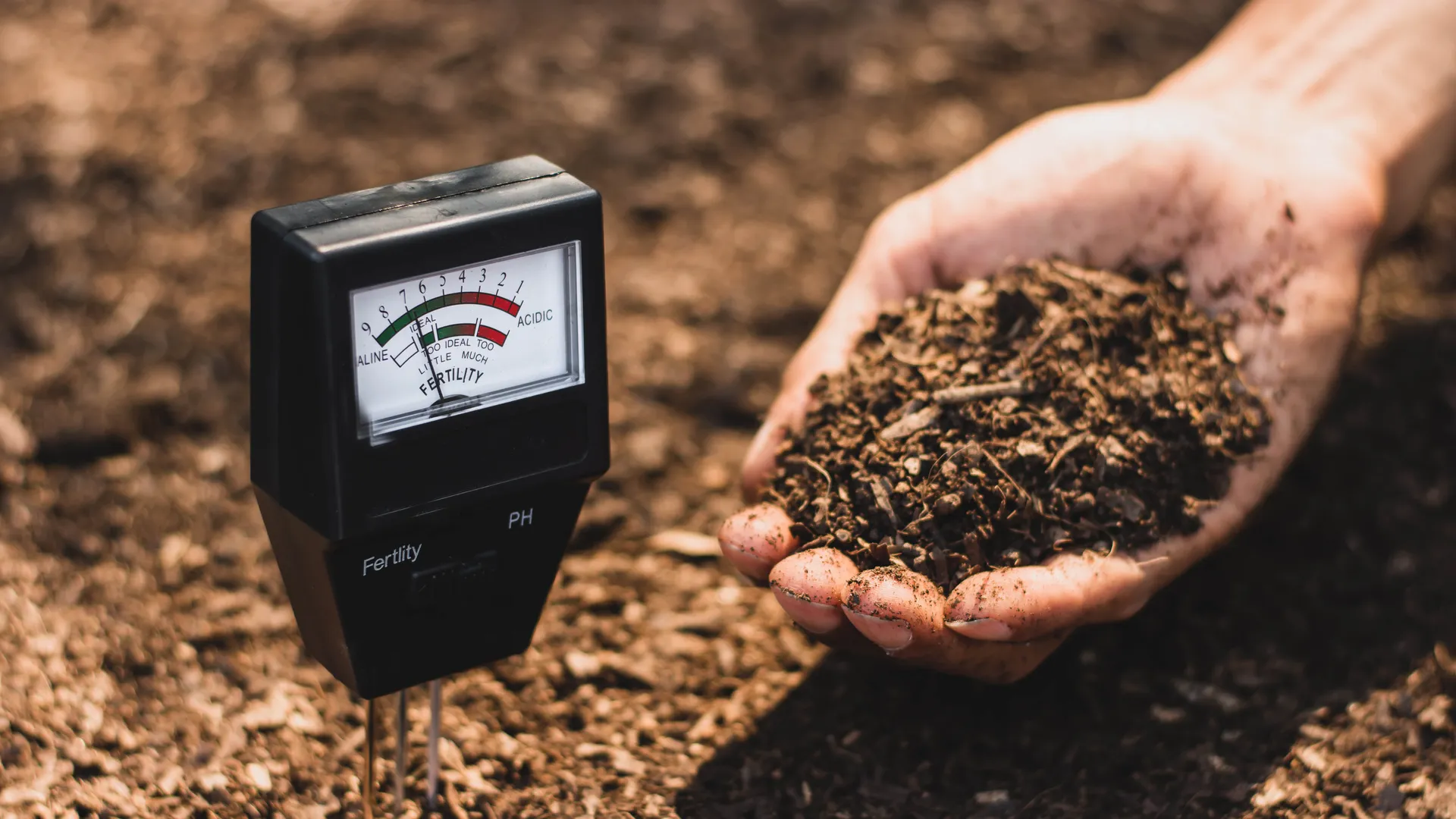
Warmer weather is here, which means it's the perfect time for me to finally get outdoors and enjoy my backyard. But despite my best intentions for planting, I consistently face one significant challenge — compacted or poor soil.
It just seems I'm always struggling with the soil in certain areas of my yard, regardless of the season. In fact, experts agree that if your soil is hard, doesn't soak up water well, or is full of weeds, you've got bad soil — which I've seen a lot of lately.
I decided to ask the gardening experts why poor soil can make or break your yard and what I can do to make my garden thrive this summer. Here’s what they had to say.
What causes poor soil quality?
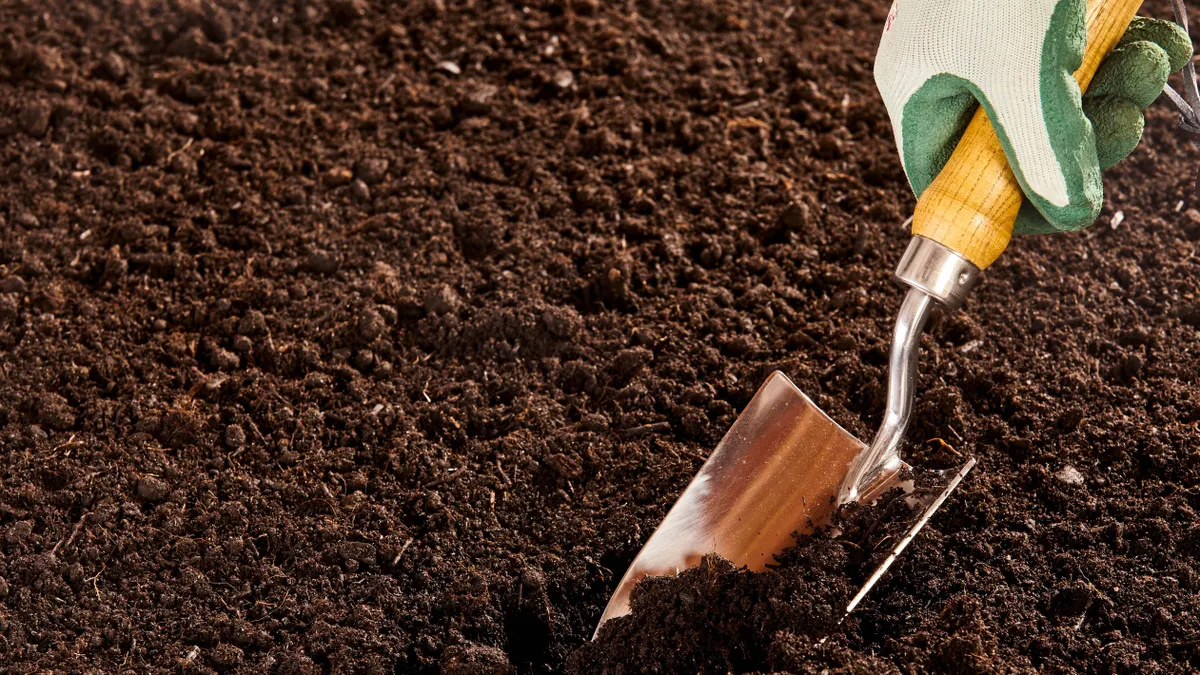
So what are the main reasons for my poor soil quality? “The two biggest culprits are compaction and poor drainage,” states Kevin Lenhart, Landscape Architect and Design Director at Yardzen, “Compacted soil is hard and dense, making it very difficult for roots to spread and water to infiltrate. Heavy foot traffic or driving equipment over soil are common causes of compaction.”
Essentially, compacted soil layers stem from a variety of factors, such as insufficient organic matter or mulch, heavy rainfall, excessive watering, the mixture of clay soil with sand, and even the pressure from heavy equipment or structures. “Poor drainage will make most plants struggle or outright perish. Heavy clay soils are particularly notorious for having poor drainage,” adds Lenhart.
In addition, it’s always recommended to check the health of your soil quality. “The first thing to do to determine the issue is to test the nutrient levels in your soil and its pH to establish if you have proper fertility and if your plants can access it,” adds Chris Cerveny, expert gardener and co-founder of Just Good Soil.
“That healthy soil is built over time, and practices such as tilling and 'turning over your beds' collapse air space, causing compacted and often water-logged soil. Instead, layer organic amendments on top of your soil and use generous amounts of compost on the surface.
"Then follow regenerative gardening practices to build life into it. Adding organic materials such as compost, organic soil food, and mulch can improve most garden soil quickly.”
What signs do I need to look for?
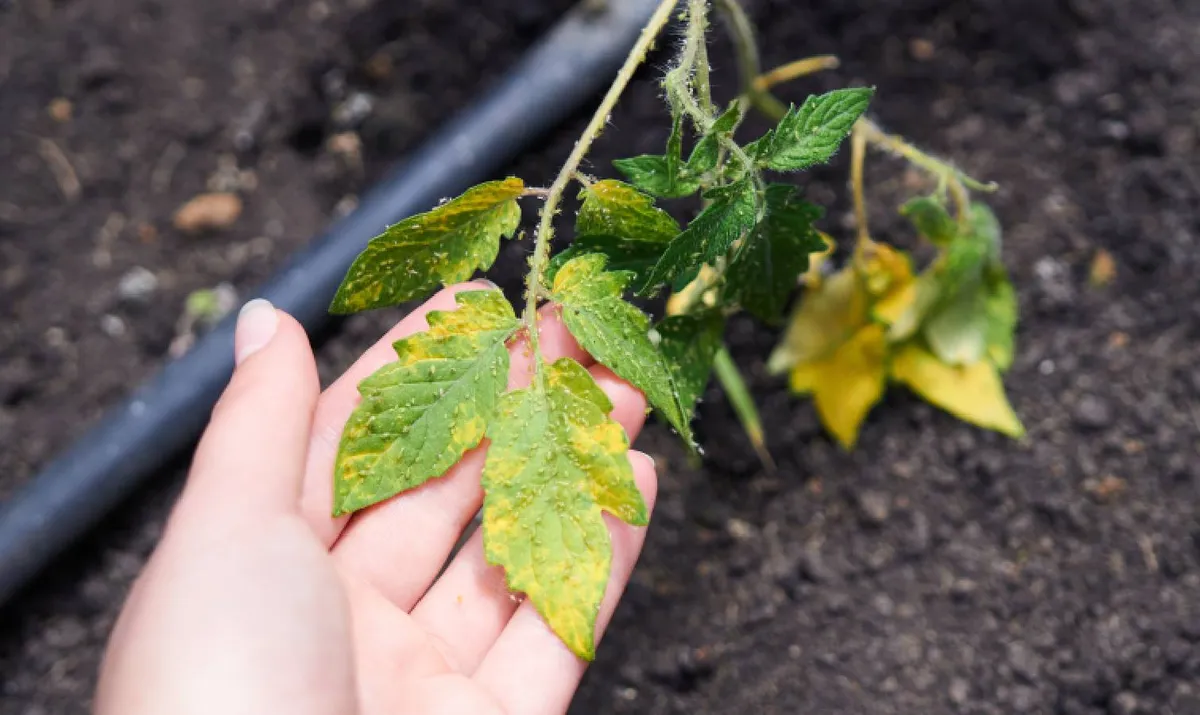
Whether you're a seasoned gardener or a beginner, it can be difficult to identify the signs that your soil is actually harming your plants or foliage. But what do you need to look for?
“By the time your plants show problems, such as yellowing leaves, small or non-existent veggie harvests, or just lack of growth, it’s often too late,” advises Cerveny.
“Testing your soil early in the season can help you improve it before the plants show problems. If you have an area of your garden that has underperformed in the past, there’s a good chance your nutrients are lacking or are out of balance.”
A soil testing kit, readily available online or at a gardening center, is an easy way to determine your soil's key components. This test will reveal the soil's texture, pH level (acidity or alkalinity), organic matter content, and the amount of nutrients currently available.
Another expert-approved top tip is to do the ‘slake’ test, which can determine if you have healthy soil. “To test for soil structure, the 'slake test’ is a way to measure it,” advises Scott Kent, owner at Hungry Worms.
“Simply take some clumps of your soil, place them in a screen, a tea bag, or something that will keep the soil in place but allow it to be submerged in water. Take note of how quickly the clumps of soil lose their form or dissolve into the water. If your water quickly becomes dirty, then you have poor structure. If you clump of soil stays intact and your water stays clean, you have good structure.”
How can I fix my soil if it's in bad condition?
Thankfully, I learned that my poor soil could still be saved, as long as I made sure to stop making those common mistakes. The key here is that good soil health is crucial year-round, as it reduces damage and plants failing from a variety of issues, including pests, weeds, and diseases. So if you’re struggling with poor soil quality, here are some top tips on how to fix it.
Amend with organic matter or mulch
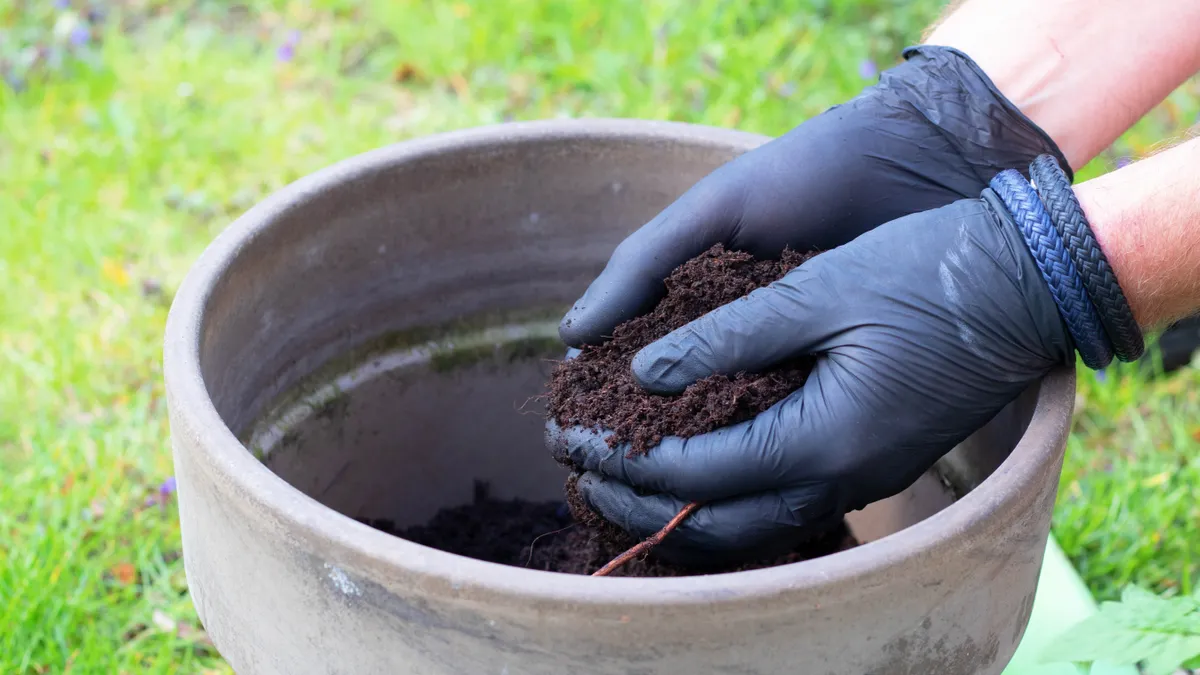
It’s recommended to add a layer of material to the soil surface to retain moisture, suppress weeds, and regulate soil temperature, creating better conditions for plant growth throughout the seasons. You can apply a generous layer to the soil surface around your plants, making sure to keep it away from the stems. Replenish this layer regularly as it naturally breaks down into the soil with time.
“Without sufficient organic material, plants struggle to thrive,” states Tim Clapp, Head of Range and Qualified Botanist at Verve Gardening. “Adding organic matter like compost improves soil structure, boosts nutrients, and supports beneficial microbes for healthier plant growth.”
In addition, tilling compost into the soil can help with compaction, but in more extreme cases, extensive soil aeration may be needed.
Avoid overdigging the soil
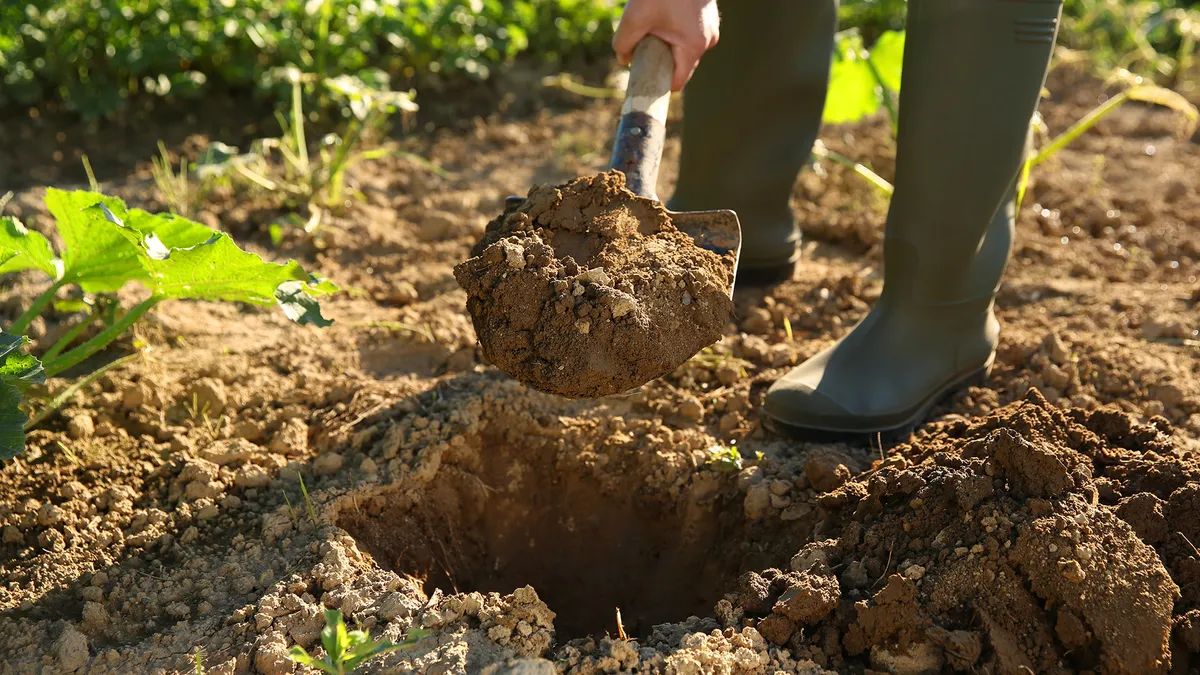
Another common mistake is overdigging the soil. While digging soil seems to be a necessary gardening activity, excessive digging can disturb the fragile top layer.
“Overdigging soil can disrupt its natural structure, damaging beneficial organisms and breaking down essential networks that support plant health,” adds Clapp. “Minimizing digging helps the soil to develop naturally and maintain soil stability to improve water retention and encourage stronger root systems.”
Use the right fertilizer
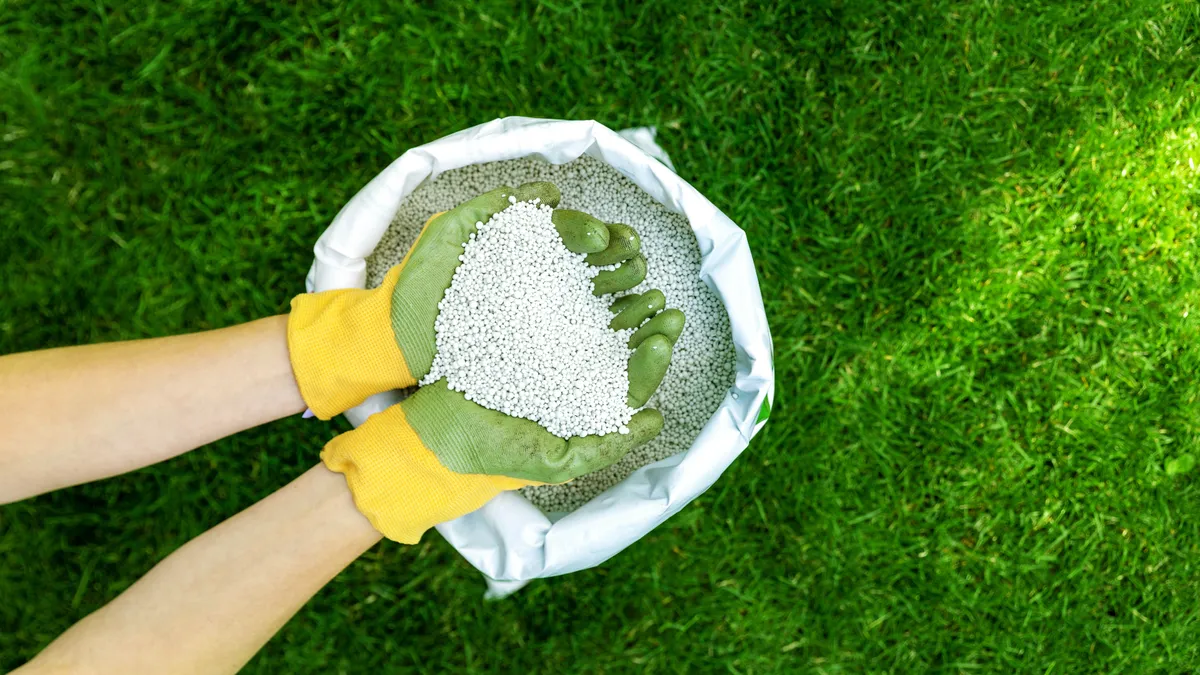
While it’s beneficial to use fertilizer, incorrect use or over-applying fertilizer can actually damage both your lawn and plants. “Choosing the right fertiliser ensures plants receive the nutrients they need for strong, healthy growth,” adds Clapp.
“Seaweed fertilisers are especially beneficial as they are rich in trace elements, improve soil health and stimulate root development. They work naturally with plants, enhancing resilience to stress, pests and disease while promoting balanced growth.”
Just be sure not to make these 5 mistakes when applying fertilizer to your yard. Plus, your kitchen trash can could be hiding these common items that'll fertilize your yard for free (yes, free!).
Gardening essentials we love

Follow Tom's Guide on Google News and add us as a preferred source to get our up-to-date news, analysis, and reviews in your feeds. Subscribe to Tom's Guide on YouTube and follow us on TikTok.
More from Tom's Guide

