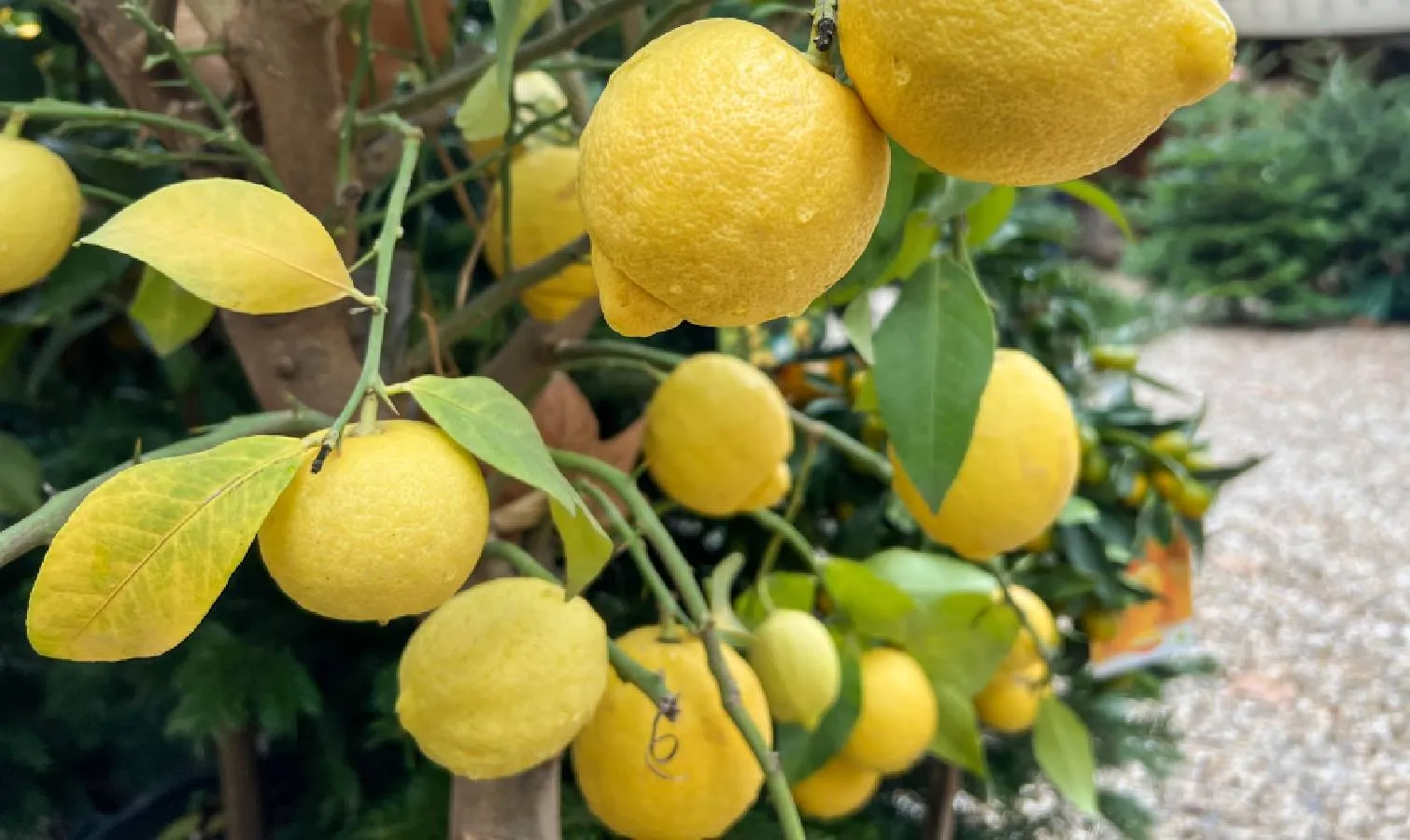
A lemon tree is one of the most rewarding things you can grow at home — fragrant flowers, glossy leaves, and the occasional actual lemon if conditions are right. They're also more communicative than most plants, and once you learn to read the signs, caring for them becomes a lot more intuitive.
Yellowing leaves are one of the most common concerns, and one of the most misread. One day the plant looks fine; the next, something is clearly off and it's not obvious why. In most cases, the cause is straightforward and the fix is simpler than you'd expect. You just need to know where to look.
1. Overwatering
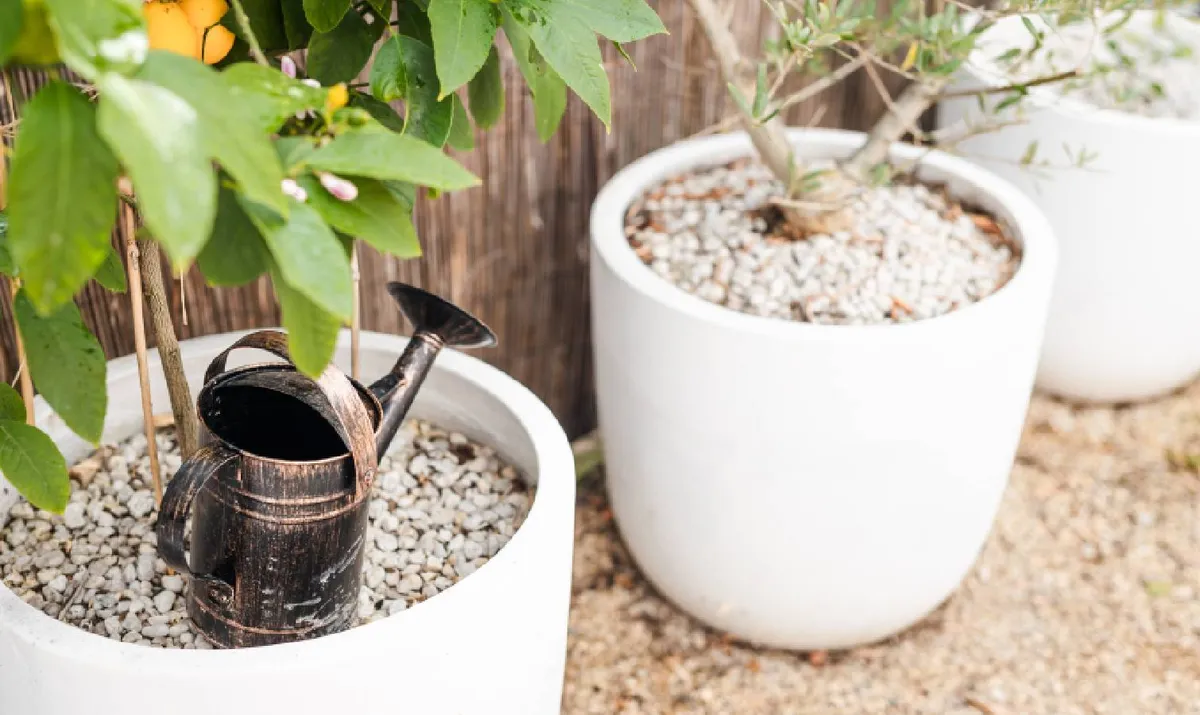
The most common culprit. If leaves are yellowing and dropping while the soil feels wet, the roots are likely drowning, or already rotting.
Check the soil before every water. Push your finger two inches in and if it's still damp, leave it alone.
Also ensure your pot has drainage holes and empty the saucer after watering. If root rot has set in, repot into fresh soil and trim any black or mushy roots before doing so.
It's worth knowing that lemon trees in pots are far more vulnerable to overwatering than those in the ground. Unless there's a drainage hole, the was has nowhere to go, so moisture builds up fast.
2. Nutrient deficiency
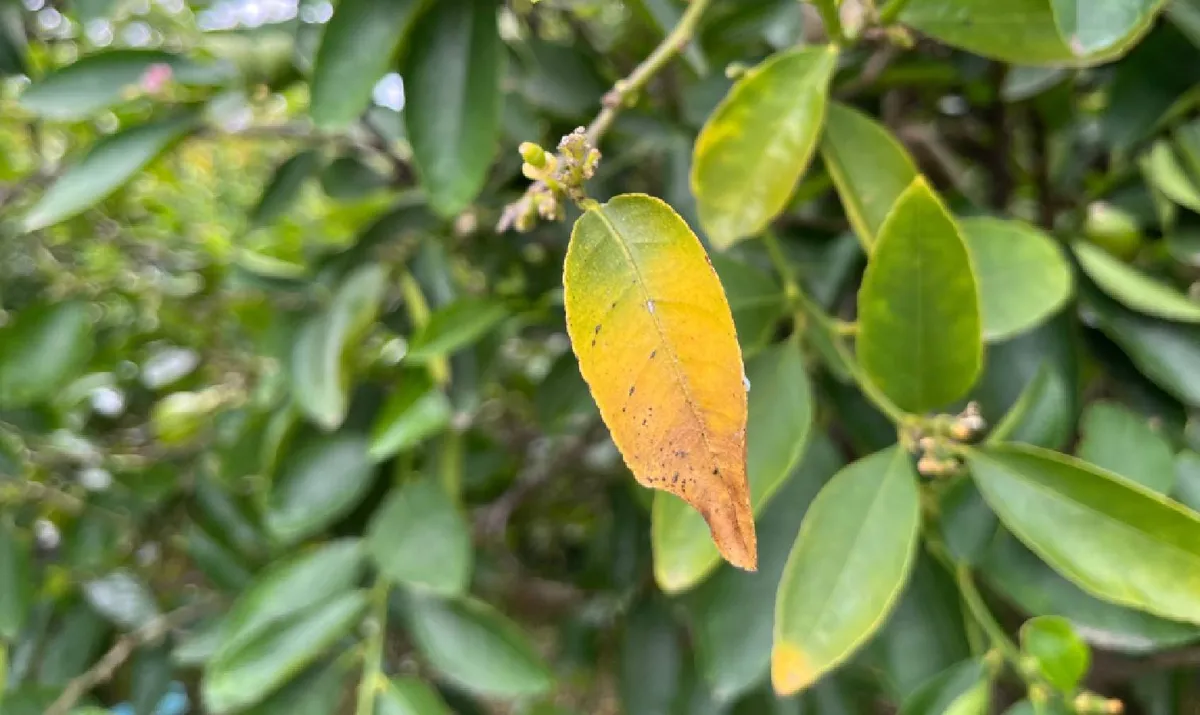
Yellowing that follows a pattern usually points to a missing nutrient. Overall yellowing starting with the older, lower leaves suggests a nitrogen deficiency. Yellow leaves with green veins (often in a V-shape) indicate iron or magnesium is lacking.
The tricky part is that nutrient deficiency can sometimes look like overwatering, so check the soil first before reaching for the fertilizer. Heavily waterlogged soil also prevents the plant from absorbing nutrients even when they're present, so the two problems can compound each other.
Feed with a citrus-specific fertilizer every 4–6 weeks through spring and summer.
If the green-vein pattern persists, you can treat with a foliar spray of chelated iron or Epsom salts (1 tbsp per liter of water) directly onto the leaves. Just make sure to spray in the early morning or evening to avoid burning.
3. Underwatering
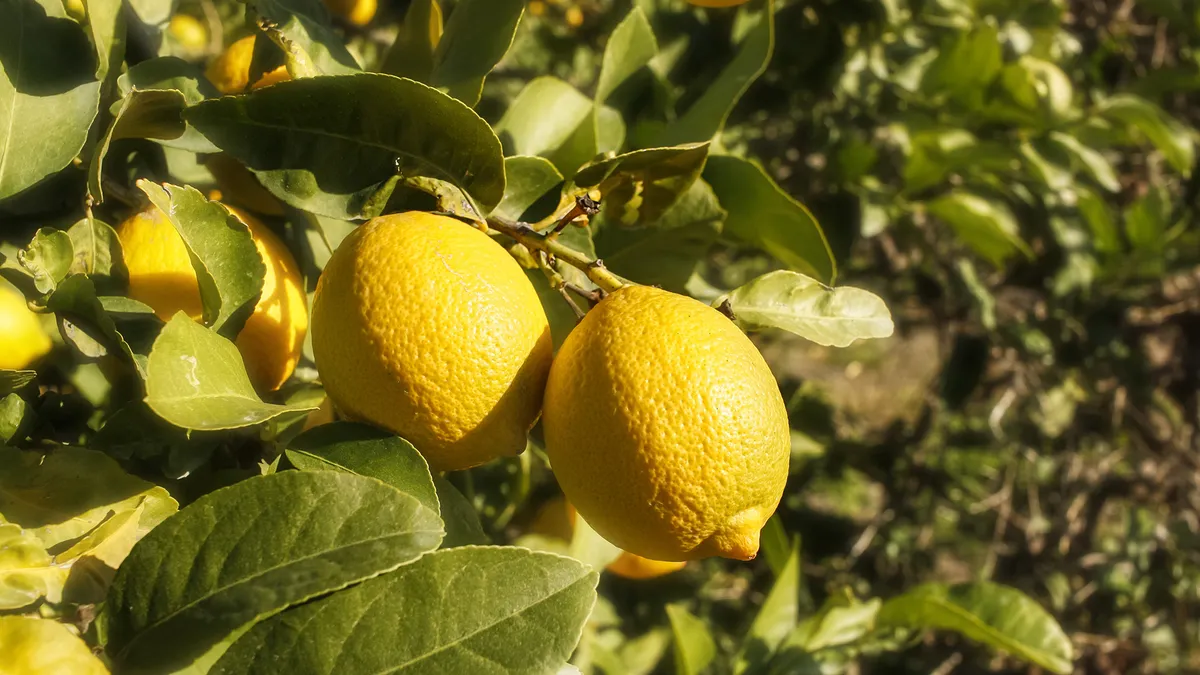
Leaves that are yellow, dry, and brittle — rather than soft and drooping — are thirsty. Lemon trees like consistent moisture, not a cycle of drought and flood, and they'll show the effects of prolonged dryness faster than you might expect.
Water deeply and regularly, allowing the soil to dry out slightly between waterings but never completely. In summer or indoors near heating, this may mean watering every few days.
A good soak is always better than a little and often. You want the water to reach the roots, not just dampen the surface. To maintain humidity around the plant, you can give the leaves a light, occasional misting.
4. Rootbound
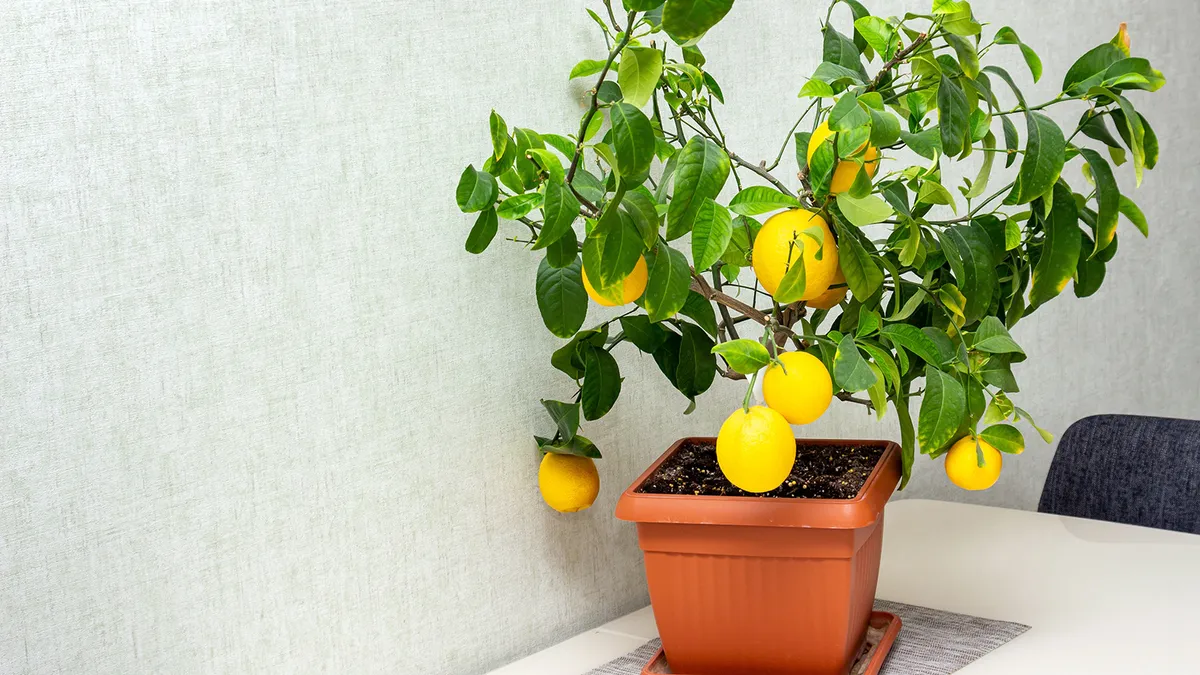
A lemon tree that's outgrown its pot is one of the easier problems to overlook. When roots have filled every inch of available soil, the plant can no longer absorb water or nutrients properly — even if you're doing everything else right.
Yellowing leaves are often the first sign, and they're easy to misread as a watering or feeding issue until you check what's happening below the surface.
Tip the plant gently out of its pot and look at the roots. If they're circling the base or pushing out of the drainage holes, it's time to size up. Repot into a container one or two sizes larger, using fresh citrus compost.
Generally, the best time to report a lemon tree is spring, but if the plant is clearly struggling, it's worse to wait.
5. Pests
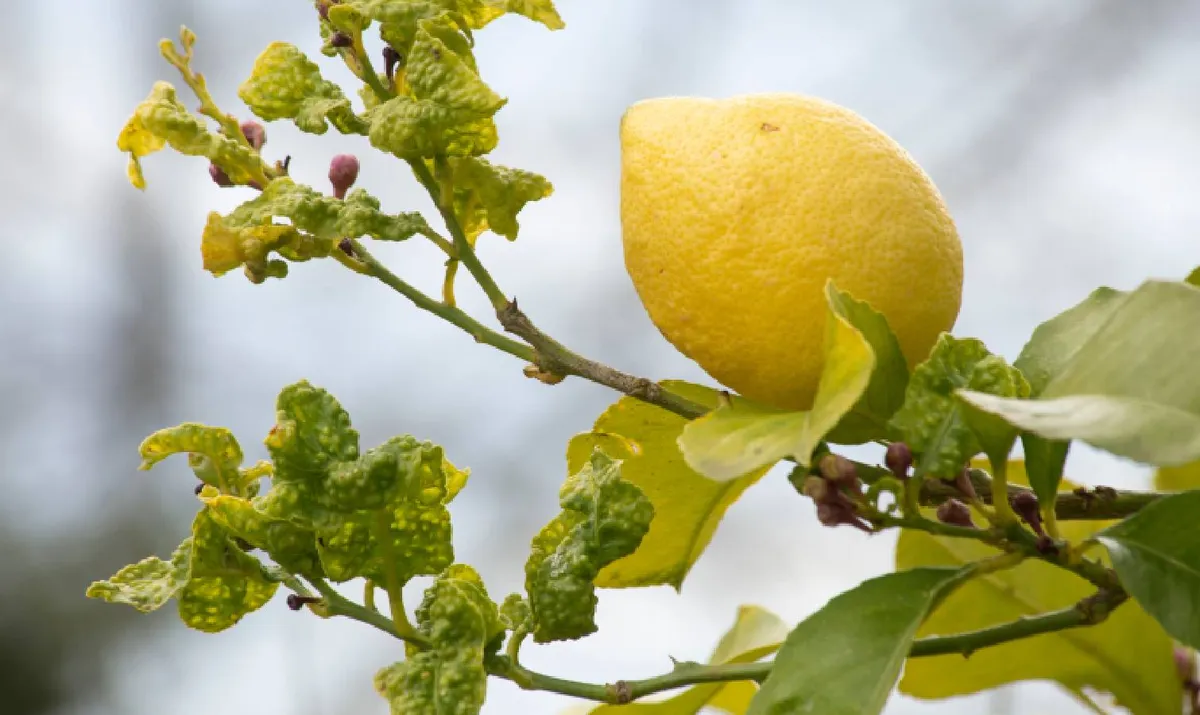
Spider mites, scale, and aphids all feed on leaf sap, leaving your lemon tree depleted and the leaves patchy or yellow. They tend to appear when conditions are warm and dry, and they spread quickly between plants, so it's worth checking everything nearby once you spot them on one.
Check the undersides of leaves first as that's where most pests hide, and an infestation can be well established before it's visible from above.
Wipe leaves down with a damp cloth to remove visible insects, then treat with neem oil or insecticidal soap. Spray thoroughly, including leaf undersides, and repeat every 7–10 days for at least three treatments to break the pest cycle.

Follow Tom's Guide on Google News and add us as a preferred source to get our up-to-date news, analysis, and reviews in your feeds. Make sure to click the Follow button!
More from Tom's Guide
- Why are my tomato plant leaves turning yellow? 5 steps to save your harvest
- 7 fast-growing trees for shade and privacy
- Why are my peace lily leaves turning yellow? 3 steps to bring back the green