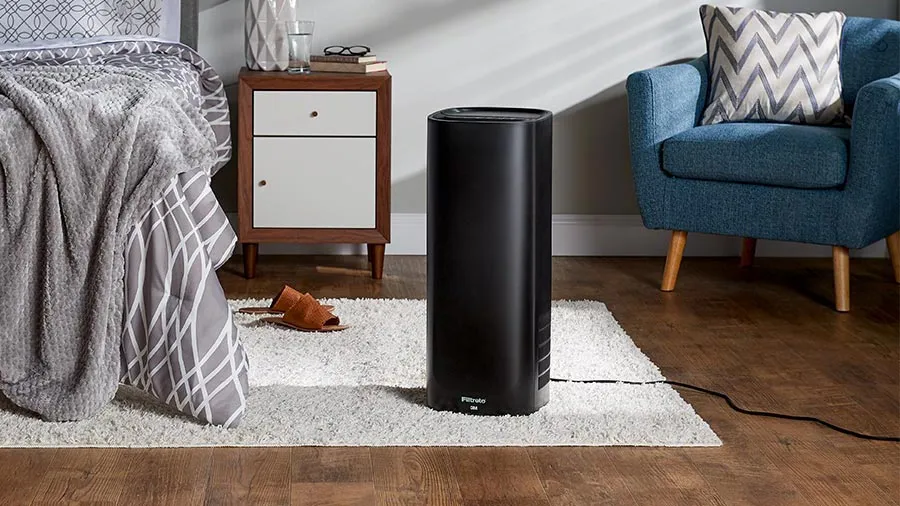
I’ve never used an air purifier before, but this spring I’m getting ahead of the game before the allergy season starts. Although I don’t suffer from springtime allergies myself, one of my sons sneezes as soon as the pollen count rises.
It can be a trying time for anyone with springtime allergies. Having waited for the sunnier days and warmer weather to arrive, instead of enjoying the change in season, allergy sufferers are left with itchy eyes and a runny nose.
And these allergies can affect you whether you are inside or out, as the natural tendency in spring is to open your windows to let in the fresh air. What’s more, if you suffer from springtime allergies, you’re also more likely to be affected by other offenders, such as dust mites, pet dander and mold spores.
An air purifier helps remove pollen and other allergens from the air in your home, providing relief not just from sneezing but from other symptoms associated with springtime allergies. So apart from the seasonal offenders, an air purifier will also filter out other nasties.
Having never chosen an air purifier before, I don’t want to make a mistake when buying an air purifier, so I’ve put together a checklist to outline what to consider.
1. Does it have a HEPA filter?
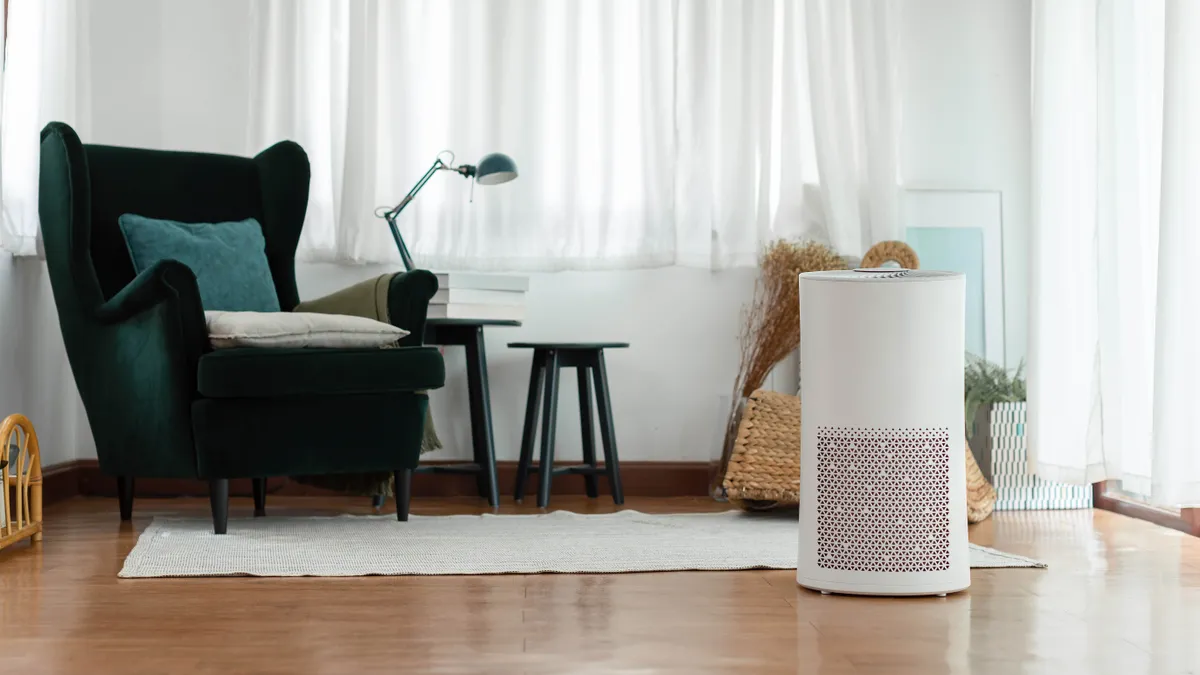
If you want to neutralize more than just food odors with an air purifier, look for one with a HEPA filter, which removes allergens. According to the U.S. Environmental Protection Agency, an HEPA filter can remove at least 99.97% of dust, pollen, mold, bacteria, and other airborne particles with a size of 0.3 microns.
So, although I recently reported on IKEA’s air purifier that’s cleverly incorporated into a table, hiding the tech out of sight, it doesn’t include a HEPA filter that allergy sufferers will need.
2. Size up the CADR delivery rate
Apart from looking for an air purifier with an HEPA filter, I’ll be checking the CADR rating. This indicates the speed at which the air is completely filtered in an hour — the higher the rating, the faster the removal.
According to The Association of Home Appliance Manufacturers, each air purifier receives a separate CADR score for pollen, dust, and smoke, indicating how efficient the unit is at cleaning a particular pollutant from the air. So, be sure to check out these ratings before you buy.
You'll also want to combine this rating with your room size to ensure you’re buying an air purifier that fits your needs. Harvard has a handy portable air cleaner sizing tool that lets you enter the CADR to determine the maximum room size the air purifier can handle. Alternatively, you can enter the room dimensions to calculate an ideal CDR rating.
My aim is to select an air purifier with a CADR that equals at least two-thirds of the room’s area. For instance, a room that measures 400 sq. ft. will need an air purifier with a minimum CADR of 260, assuming a ceiling height of 8 feet. The U.S Environmental Protection Agency has more guidelines on finding the right air purifier for your home.
3. Is it noisy?
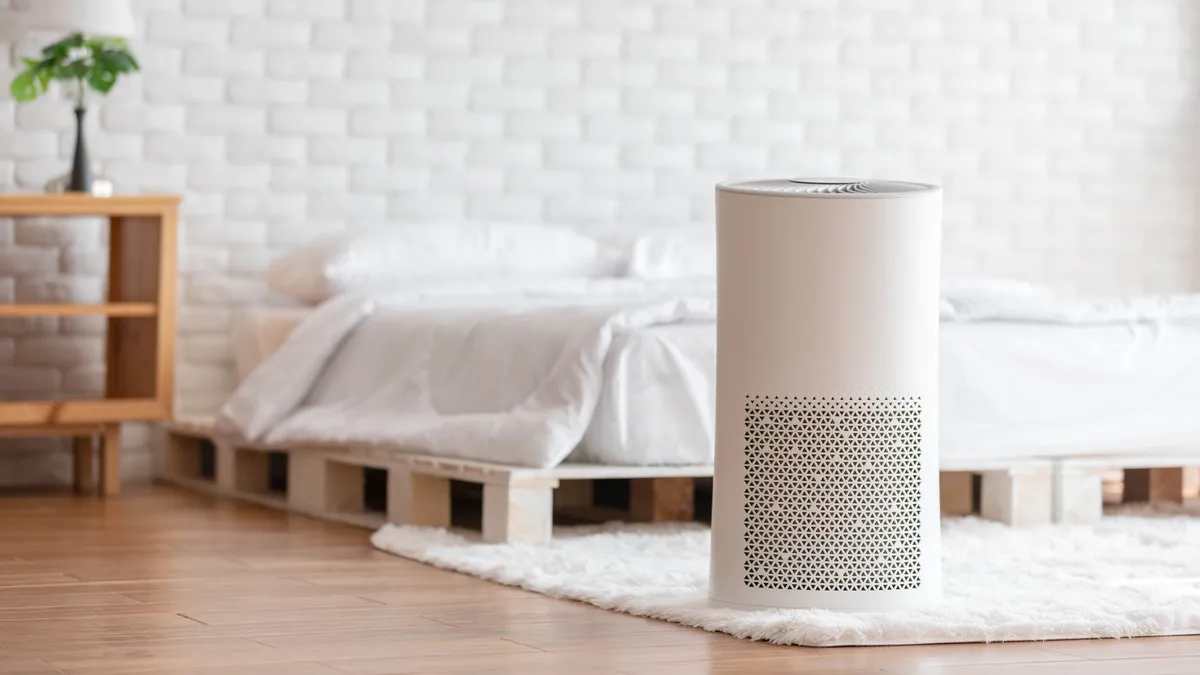
One of the major considerations for me is the noise output. My son will be sleeping in the room when the air purifier is switched on, and although he is a heavy sleeper, I don’t want the noise to disturb his beauty sleep.
This isn’t something you can check before you buy, unless you go into a store, so knowing what level of noise is acceptable for sleep will help you make the right decision. According to Alen, most air purifiers operate around 50 to 60 decibels on the highest setting, which is equivalent to conversational speech in a quiet room. But if you’re running an air purifier in a bedroom at night, you might want one that runs at a lower setting, around 30-40 decibels or below.
4. Can I move it?

I already have a dehumidifier to reduce humidity in another room, and it can get heavy when it’s full of water. Although I won’t have this extra weight to consider with an air purifier, I do want to take into account how easy it is to move and how much space it will take up.
If I were looking for a compact air purifier, I could choose the Shark Never Change Compact Pro, $119 at Amazon, as it only weighs 4.4 pounds, or I could pick the slightly heavier BLUEAIR Air Purifier for a small room that’s $111 at Amazon, and weighs 7.5 pounds.
5. Visual appeal

Apart from finding an air purifier that cleans the air efficiently, I want to buy an appliance that looks smart and won’t appear out of place in a bedroom, as, aside from allergy season, I plan to use it year-round.
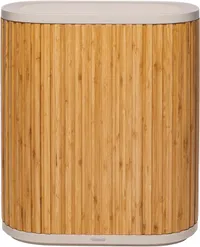
There are two air purifiers that we’ve tested at Tom’s Guide that hit the mark. Mila’s air purifier, $279 at Amazon, has a stylish aesthetic, though it was a bit noisy during testing. However, I’m blown away by the Windmill Air Purifier, $349 at Amazon, which has an attractive bamboo finish. I think it’s just what I’m looking for to cover my air purifying needs.

Follow Tom's Guide on Google News and add us as a preferred source to get our up-to-date news, analysis, and reviews in your feeds.
More from Tom's Guide