PS5 Pro vs gaming PC: Which one is the best bang for your buck right now?
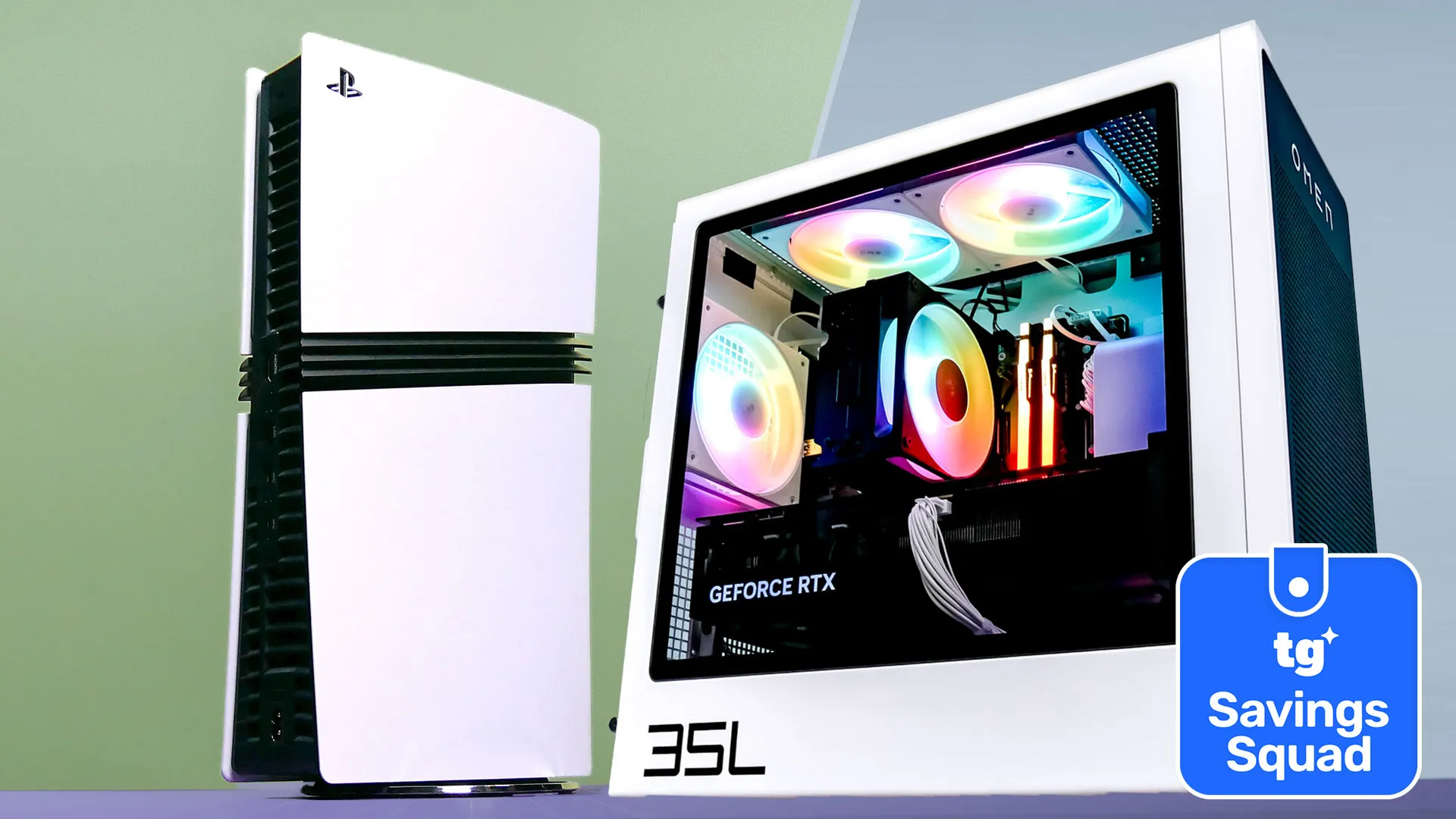
With the PS5 Pro now costing a whopping $899, many are wondering whether they’re better off building (or buying) a similarly priced gaming PC.
We touched on this briefly in our PS5 vs. PS5 Pro in 2026 video, but I wanted to dive deeper here. It’s a fair question — yet the answer turns out to be more straightforward than you might expect.
For $899, the PS5 Pro delivers 4K gaming with ray tracing, Sony’s AI-powered PSSR upscaling, smooth 60-120 fps in optimized titles, a fast 2TB SSD, Wi-Fi 7, and full backward compatibility with the best PS5 games and the best PS4 games. Add the optional disc drive for about $80, and the included DualSense controller, and you’ve got a complete high-end gaming rig ready to go straight out of the box.
Sure, the best gaming PCs can do a lot more than just gaming. But with the ongoing RAM shortage driving up prices across the board, even budget machines have gotten noticeably more expensive. Factor in Sony’s all-in-one package, and the PS5 Pro currently offers better value than a gaming PC with comparable specs. Here’s why.
Why the PS5 Pro offers better price-to-performance right now
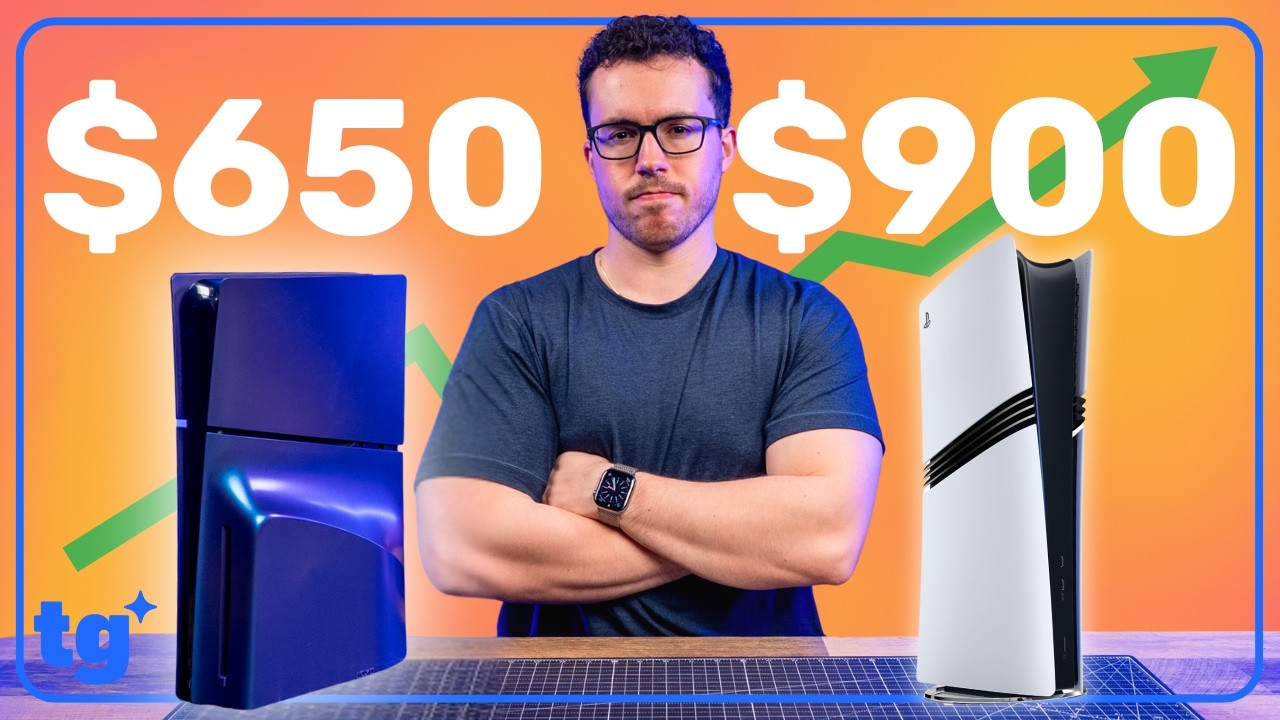
To match the PS5 Pro’s real-world performance — consistent 4K/60 fps with ray tracing in optimized games, roughly in RTX 4070/5070 territory — you’re generally looking at a gaming PC that runs $1,000 to $1,500 or more for new parts in today’s market. Recent breakdowns from builders and tech channels like Digital Foundry put equivalent rigs in exactly that range.
For example, a solid mid-to-high-end build with an AMD Ryzen 5 7600X3D (or similar CPU), an AMD RX 9060 XT 16GB or Nvidia RTX 5060 Ti 16GB GPU, 32GB of RAM, and a 2TB SSD typically lands around $963–$1,200 for the core components alone. That doesn’t include a Windows 11 license, a decent case, PSU, or any peripherals.
Pre-built options with matching GPUs usually start at $1,000 and climb to $1,600. The GPUs themselves (RX 9060 XT 16GB and RTX 5060 Ti 16GB) are hovering around $450–$550 on the street right now — and that’s if you catch a decent deal, as component prices keep fluctuating.
Even with the PS5 Pro’s own price increase, equivalent PCs are still pricier to build from scratch.
A head-to-head comparison
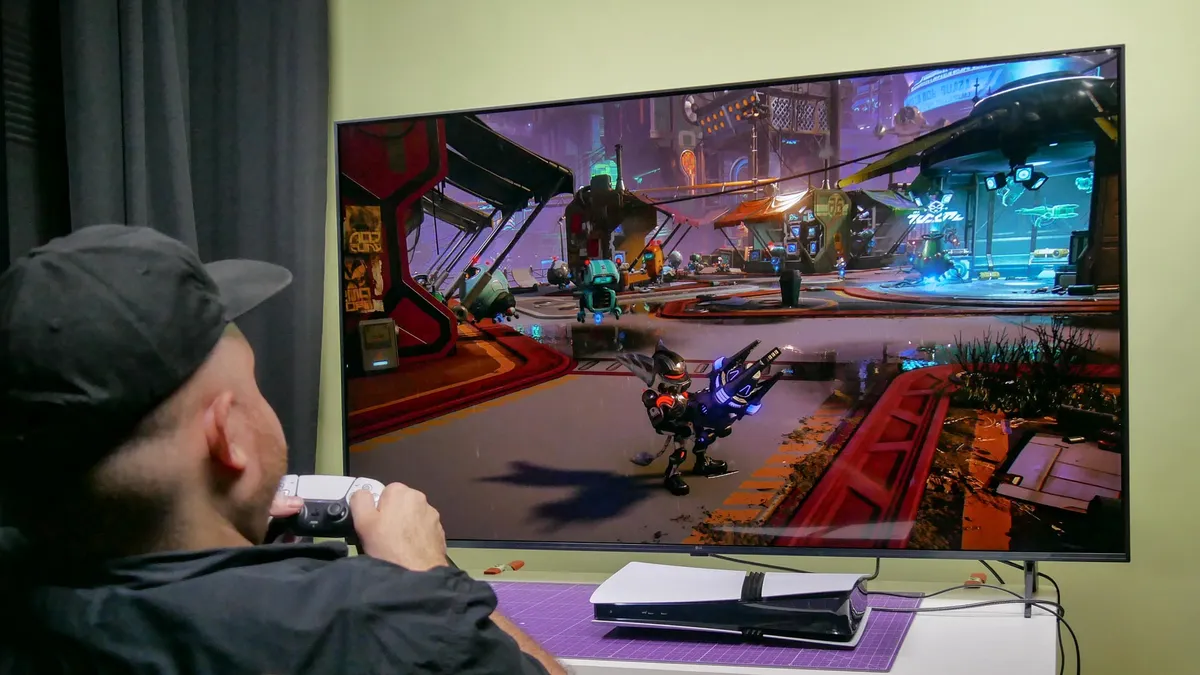
To keep it simple, here’s an easy side-by-side look at the PS5 Pro versus a comparable gaming PC:
| Header Cell - Column 0 | PS5 Pro ($899) |
Equivalent gaming PC (~$1,000–$1,500) |
Winner |
|---|---|---|---|
Upfront cost |
Lower: Console, controller, and 2TB SSD |
Higher (parts + OS license + extras if needed) |
PS5 Pro |
Performance |
Optimized 4K/60fps & RT, plug-and-play |
Similar or slightly better ceiling, but requires tweaking |
Tie (PC has flexibility) |
Games & ecosystem |
PS5 exclusives & PS Plus (~$80–160/year for multiplayer + free games) |
Steam sales, mods, mostly free multiplayer |
Depends on your library |
Ease of use |
Simple to set up, quiet, power-efficient |
More tinkering, higher power bill |
PS5 Pro |
Longevity/upgrades |
Generally good for 5–7+ years |
Fully upgradable |
PC |
Multi-use |
Gaming & streaming/media only |
Gaming, work, productivity, content creation, etc |
PC |
If you just want to play games without the hassle, the PS5 Pro is the smarter short-term buy. Your total cost of ownership stays lower because you’re not nickel-and-diming for an operating system or basic setup. And if you already own a bunch of PS4 and PS5 games, it’s a natural upgrade path.
When PC gaming wins on value
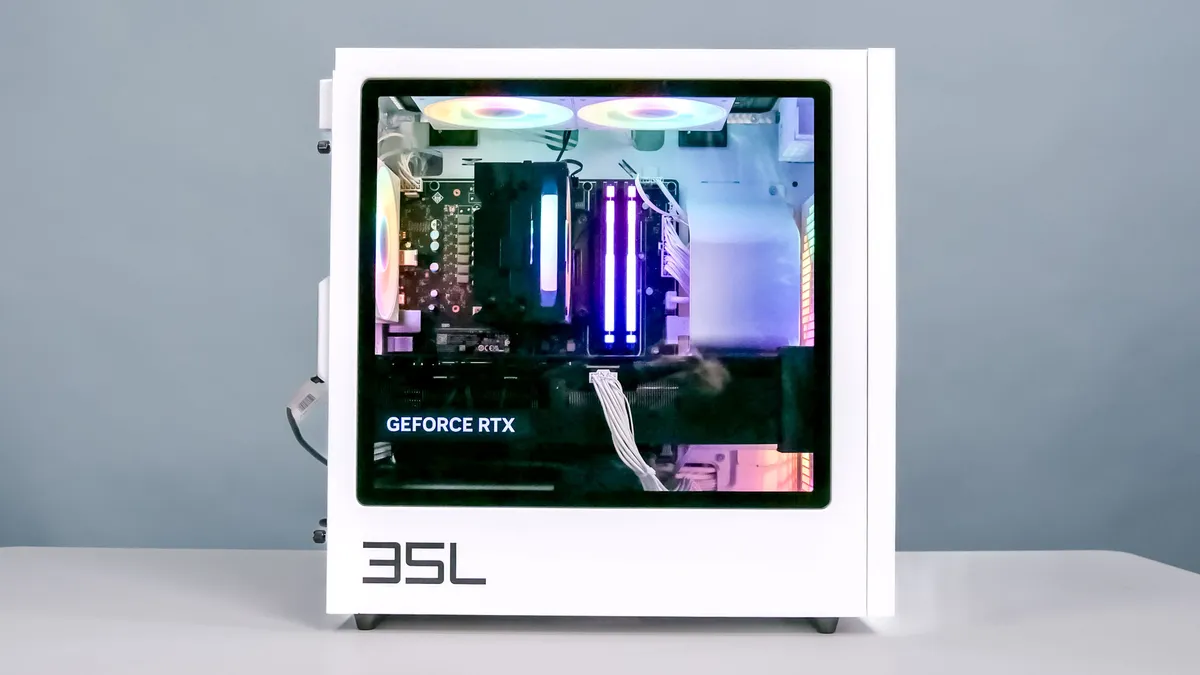
Before anyone thinks I’m just ragging on PCs, full disclosure: I’m a PC gamer myself. The PS5 Pro makes sense for many people, but there are definitely scenarios where a gaming PC is the better option.
If you already have the basics — a solid monitor, keyboard/mouse, and a Windows license — then upgrading specific components (like your CPU or GPU) can make a lot of sense. You’ll keep enjoying cheaper games through constant Steam sales, which can save you hundreds over time.
Then there’s the huge library of game mods, custom peripherals, and overall freedom that the PS5 Pro simply can’t match. Don’t dismiss the used or refurbished parts market either — just stick with reputable sellers so you don’t get ripped off.
To help you out, here is a strong mid-range PC you should consider if you don't want a PS5 Pro.
Bottom line
For reliable 4K performance with minimal compromises and almost zero headaches, the PS5 Pro is still the safest bet. Yes, it now carries a higher price tag, but it remains the more affordable way to jump into high-end gaming right out of the box. That said, if customization, upgrades, and long-term savings on games are your top priorities, a gaming PC is still worth considering.

Follow Tom's Guide on Google News and add us as a preferred source to get our up-to-date news, analysis, and reviews in your feeds. Subscribe to Tom's Guide on YouTube and follow us on TikTok.
More from Tom's Guide