When Apple confirmed it’s working with Google to bring Gemini models into Apple Intelligence, the reaction was swift — and predictable. Could it be that Apple was admitting defeat in the AI race and was now leaning on Google to catch up?
But according to multiple industry analysts, that interpretation misses what’s actually happening. This deal isn’t Apple giving up on AI — it’s Apple choosing how and where it wants to compete.
Apple is using Gemini as a foundational layer
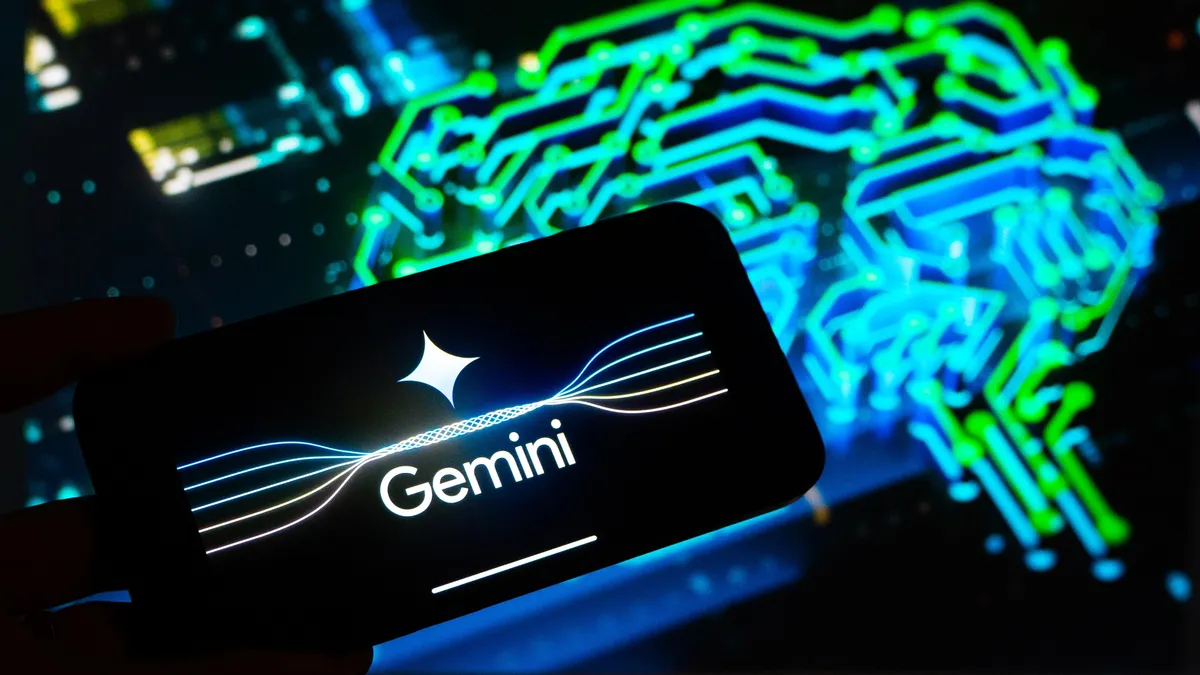
“I don’t think it’s the slightest bit controversial to say that Google was ahead of Apple in terms of AI model development,” says Avi Greengart, founder and lead analyst at Techsponential. “Apple is building its own models based on Gemini that will power a more advanced version of Siri.”
That distinction matters. Apple isn’t outsourcing Siri. Instead, it’s using Gemini as a foundational model layer, then building its own systems on top — including how AI runs on-device, in Apple’s private cloud and across first-party apps.
Greengart expects meaningful differentiation between what lives on the phone and what happens in the cloud, along with deeper integration into Apple’s UI and app ecosystem. In other words, Gemini may power the engine, but Apple still designs the car.
Why Apple didn’t need to build a Gemini rival from scratch

Carolina Milanesi, founder and principal analyst at The Heart of Tech, sees the move as pragmatic rather than defensive.
“Google is the foundational model behind the new Siri, so Apple can still deliver a differentiated experience by how it will use that to add value across the ecosystem,” she explains.
Apple, Milanesi argues, doesn’t need to win the AI arms race the same way Google, Microsoft or OpenAI do — because that’s not Apple’s business model.
“They are not a cloud company or an AI company in the same way GCP, Microsoft or AWS are,” she says. “They’re leveraging what others do well and sticking to what they do best.”
That “what they do best” includes hardware-software integration, privacy controls, custom silicon and tightly managed user experiences — all areas where Apple still has significant leverage.
Siri’s advantage isn’t the model — it’s the data Apple controls
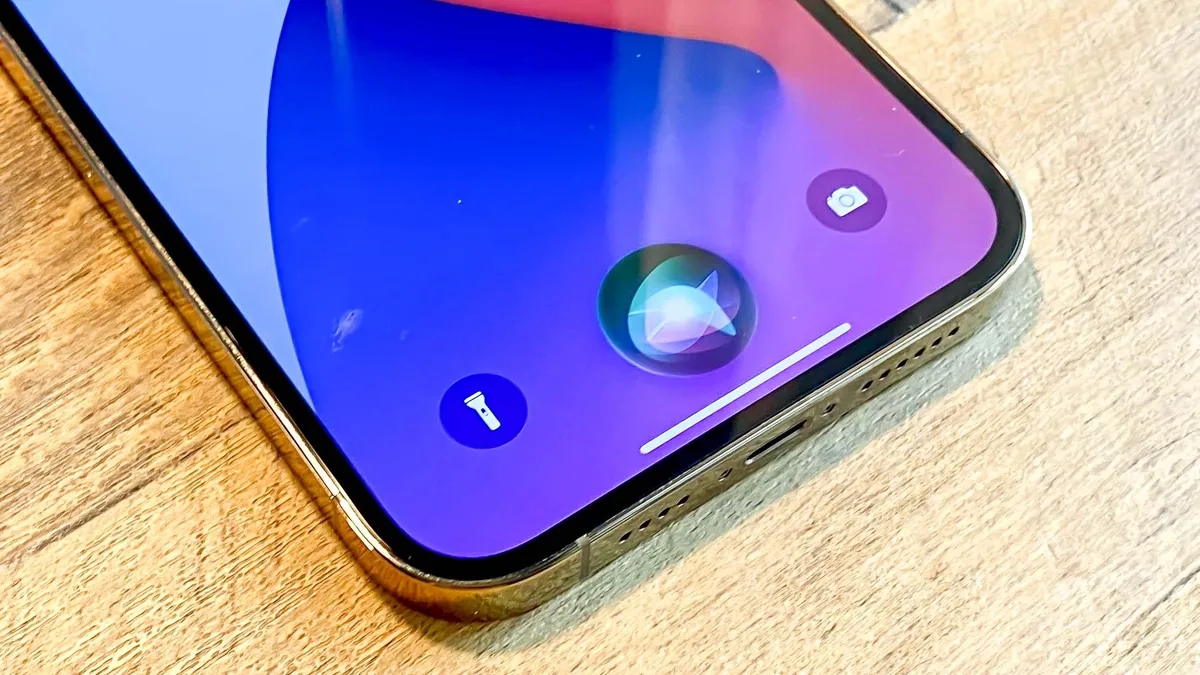
One of the most important takeaways from both analysts is this: AI models are increasingly commoditized. What differentiates assistants now is context, permissions and ecosystem access.
Essentially, Apple holds advantages Google doesn’t. Siri has deep access to on-device data, system-level actions and private cloud infrastructure designed specifically for Apple users. That allows it to power out-of-the-box experiences in ways third-party assistants can’t — regardless of which model sits underneath.
That’s also why Apple can afford to offer multiple models at once. In the short term, Siri will continue offering ChatGPT as an option for certain queries, and Greengart notes that could remain true even after Gemini-based Apple Intelligence rolls out later this year.
Some users will prefer OpenAI. Others won’t. Apple can accommodate both.
What this means for iPhone vs Pixel

If this deal levels the playing field on AI capabilities, does that weaken Apple’s position against Google’s Pixel lineup? Not necessarily.
“As far as Pixel vs. iPhone, the ecosystem still matters to users,” Milanesi says. “It’s a big part of the decision when picking a phone.”
AI may influence buying decisions, but it doesn’t override years of platform investment, app libraries, accessories and services. Apple isn’t trying to win by being the best AI company — it’s trying to make AI invisible, useful and embedded everywhere.
The bottom line
This Google partnership doesn’t signal Apple falling behind. It signals Apple choosing efficiency over ego.
By adopting Gemini as a foundation while controlling the experience layer, Apple avoids an expensive race to build a massive standalone model — and focuses instead on what actually reaches users.
So no, Apple isn’t throwing in the AI towel. It’s betting that the experience matters more than the model behind it.

Follow Tom's Guide on Google News and add us as a preferred source to get our up-to-date news, analysis, and reviews in your feeds.
More from Tom's Guide
- AI is quietly breaking the internet — and most people don’t even realize it yet
- Anthropic brings Claude into healthcare — skip the ChatGPT Health waitlist
- I asked ChatGPT to build a beginner workout plan — and it actually made me want to go to the gym