Apple has confirmed a major shift in its AI strategy: Google’s Gemini models will help power the next generation of Siri and Apple Intelligence features, expected to roll out later this year.
The move is part of a multi-year partnership between two longtime rivals, and it signals something Apple rarely admits — that it needs outside help to compete in the fast-moving AI race.
Here’s what it means for iPhone users and whether this is a smart course correction or a risky bet.
What’s actually happening?

Apple has chosen Google’s Gemini AI models and cloud infrastructure as a foundation for its new Siri experience. Apple says it evaluated multiple options and determined that Gemini offered the strongest base to enhance its own Apple Foundation Models.
This comes about a year after Apple integrated ChatGPT into Siri for assistance. However, unlike including limited OpenAI support, this partnership represents a deeper reliance on an external AI provider, marking a rare moment where Apple isn’t building a core experience entirely in-house.
What iPhone users will notice

According to Apple and Google, the Gemini-powered Siri upgrade should bring:
- Smarter conversations, with better natural language understanding and context awareness
- Improved personalization, allowing Siri to respond more intelligently based on your habits and usage
- Privacy safeguards, with Apple emphasizing on-device processing and its Private Cloud Compute system so user data isn’t simply handed to Google
- These changes are expected to arrive through iOS updates later in 2026.
The upside: Siri finally catches up
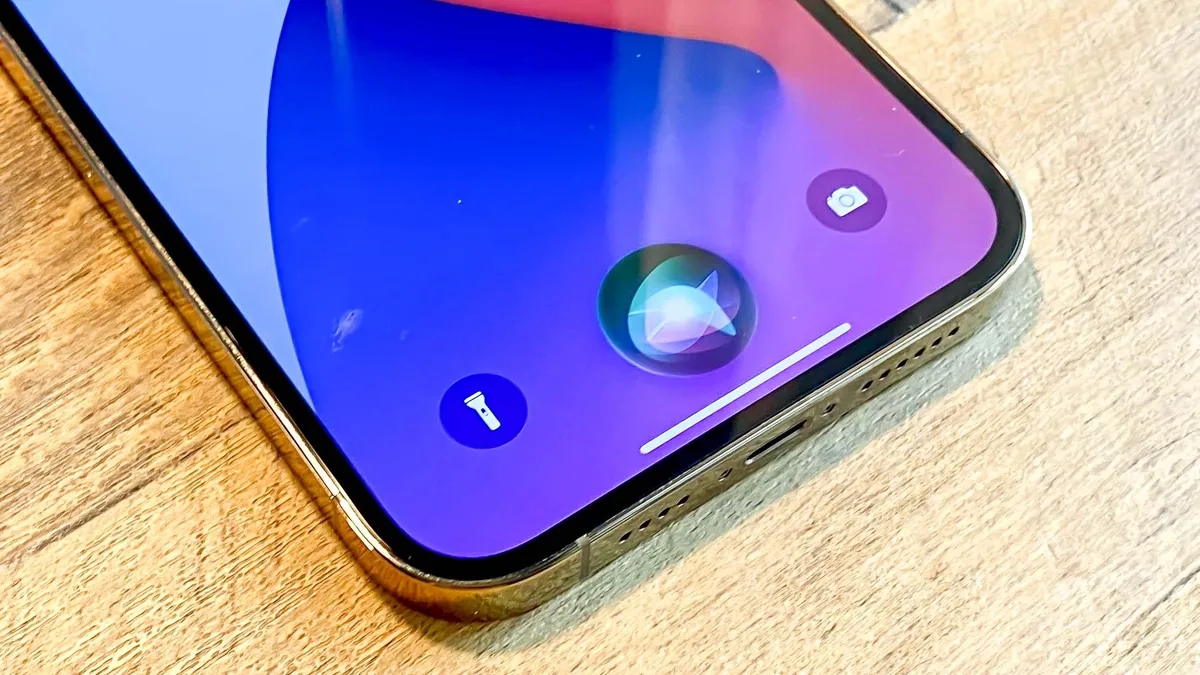
Siri has long lagged behind rivals like Google and OpenAI. By tapping Gemini — one of the most advanced AI models available — Apple can accelerate its roadmap instead of waiting years to close the gap.
That matters because AI assistants are no longer optional features. Users now expect tools that can reason, follow multi-step conversations and proactively help — areas where Siri has historically struggled. Gemini gives Apple a faster way into that future.
The risk: control and dependence
There’s a trade-off. Apple is famous for controlling its technology stack, but outsourcing Siri’s intelligence to Google breaks that tradition, and it comes with real risks:
- Apple gives up some autonomy in one of the most important tech battles of the decade
- If Google’s Gemini improves faster than Apple can customize it, Apple could become dependent on its rival
- Android phones already use Gemini-powered features, which limits Apple’s ability to differentiate
In short, this move may fix Siri — but it also raises questions about whether Apple truly owns its AI future.
That concern may be overstated. According to tech analyst Carolina Milanesi, Apple’s decision to rely on Google’s Gemini as a foundational model doesn’t mean the company is giving up control of Siri or falling behind in AI. Instead, it reflects a strategic choice about where Apple adds value.
“Google’s Gemini serves as the foundational model behind the new Siri, but Apple can still deliver a differentiated experience based on how it applies that technology across its ecosystem,” Milanesi said. “Apple has access to data Google doesn’t, and Siri will power many out-of-the-box experiences on device and through Apple’s private cloud.”
Milanesi added that the move doesn’t signal an inability to compete, but rather a recognition that Apple doesn’t need to build everything from scratch. “This deal doesn’t suggest Apple can’t keep up,” she said. “Apple isn’t a cloud or AI company in the same way Google, Microsoft, or AWS are, so it’s leaning into what it does best.”
And for consumers, that distinction still matters. “When it comes to Pixel versus iPhone, the ecosystem remains a key factor in how people choose a phone.”
Does this make every phone a “Gemini phone”?
In a way, yes. With Android devices and now iPhones tapping Gemini for core AI experiences, Google’s models are becoming a default layer across smartphones. That’s a massive distribution win for Google and helps explain why investors are betting heavily on Gemini as the backbone of consumer AI.
Bottom line
Is this Apple’s AI breakthrough — or a strategic retreat? It’s both.
Apple is being pragmatic, acknowledging it can’t build best-in-class generative AI fast enough on its own. Partnering with Google lets it deliver a better Siri now, not years from now.
But it’s also a rare concession. Apple is trusting a former competitor with a critical piece of its future, signaling a shift away from the tightly controlled ecosystem it’s known for.
For users, the short-term outcome is simple: Siri should finally get much better. For Apple, this may signal a shift toward a more collaborative, less insular approach to AI.

Follow Tom's Guide on Google News and add us as a preferred source to get our up-to-date news, analysis, and reviews in your feeds.
More from Tom's Guide
- AI is quietly breaking the internet — and most people don’t even realize it yet
- Anthropic brings Claude into healthcare — skip the ChatGPT Health waitlist
- I asked ChatGPT to build a beginner workout plan — and it actually made me want to go to the gym