




The clocks go forward one hour at 1am this Sunday (29th March), and while losing an hour’s sleep is tough for everyone (fatigue and brain fog are common side effects), it’s especially hard for those of us with an intermediate chronotype (the Bear) or late chronotype (the Night Owl or Wolf).
If you’re in one of these two chrono camps like me, you could be dealing with social jetlag come Monday if you don’t take action now. The good news is there are things you can do starting today to limit the impact of losing an hour’s sleep.
The secret is the 15-minute rule: by making your bedtime 15 minutes earlier each night starting tonight, you’ll only dealing with a 15-minute loss of sleep come Sunday rather than 60 minutes. Here’s what you need to do…
Key take-aways: At a glance
- Start the 15 minute rule tonight: Move your bedtime and wake-up time 15 minutes earlier every day until Sunday 29th March.
- Adjust your meal times too: Shift them back by 15 minutes to help reset your metabolic clock. Dinner is the most important meal time to reset.
- Use light to wake up: Get 15 minutes of bright light (natural or S.A.D. lamp) immediately upon waking to suppress melatonin and encourage cortisol.
- Ditch caffeine after midday: Research shows that caffeine has a half-life of five to six hours. Keeping it to the morning ensures it won’t affect melatonin production so your ‘sleep pressure’ is high enough for an earlier bedtime.
- Try not to nap on Sunday: I know you’ll likely be tired, but having a nap will only delay your adjustment to the clocks going forward. Drinking plenty of water and taking a walk in daylight is a proven way to shake off afternoon fatigue. If you’re really struggling, stick to a 15-20 minute power nap.
How does losing an hour’s sleep affect us?

Night owls have a naturally longer internal circadian rhythm compared to early birds, so the clocks going forward an hour only increases the gap between when you’re biologically wired to sleep versus when work or school demands we get up.
It usually takes two days before we're able to get back into our normal routine
Dr Dredla, Sleep Neurologist at Mayo Clinic
Meanwhile, those with a Bear chronotype like me — who typically sleep between 10pm and 11pm and wake around 7am — will likely face a massive slump in energy come Monday afternoon.
By comparison, Lions (Early Birds) wake up early anyway so this shift forward will have little impact on them in the morning, but they may struggle more and feel sleepier earlier than usual on Sunday night.
According to Dr Brynn Dredla, a Sleep Neurologist at Mayo Clinic: "We have more difficulty springing forward than we do falling back
"If someone sleeps from 10 p.m. to 6 a.m. and then we spring forward, on Monday morning we're asked to now be driving when we should normally be sleeping." No wonder we see an uptick in the amount of fatigue-related accidents the day after the clocks go forward.

“You’re waking up at a time when the circadian system is not yet promoting alertness. It’s still pushing for that sleepiness.” Dr. Cathy Goldstein, Assistant Professor of Neurology at the University of Michigan School of Medicine Sleep Disorders Center, told Times Magazine.
Losing an hour’s sleep has a similar effect on your body as the jet lag you’d feel when flying from America to London
In his global best-seller Why We Sleep: Unlocking The Power of Sleep and Dreams, Matthew Walker, PhD, Professor of Neuroscience and Psychology at UC Berkeley, referred to Daylight Savings Time as a “global experiment on cardiovascular health”.
He went on to write: “Should you tabulate millions of daily hospital records, as researchers have done, you discover that this seemingly trivial sleep reduction comes with a frightening spike in heart attacks the following day.”
Losing an hour’s sleep has a similar effect on your body as the jet lag you’d feel when flying from America to London; your body clock no longer matches the time on your watch, and that will make you feel tired, foggy, and irritable.
"It usually takes two days before we're able to get back into our normal routine," says Dr Dredla.
How to use the 15-minute rule before the clocks go forward
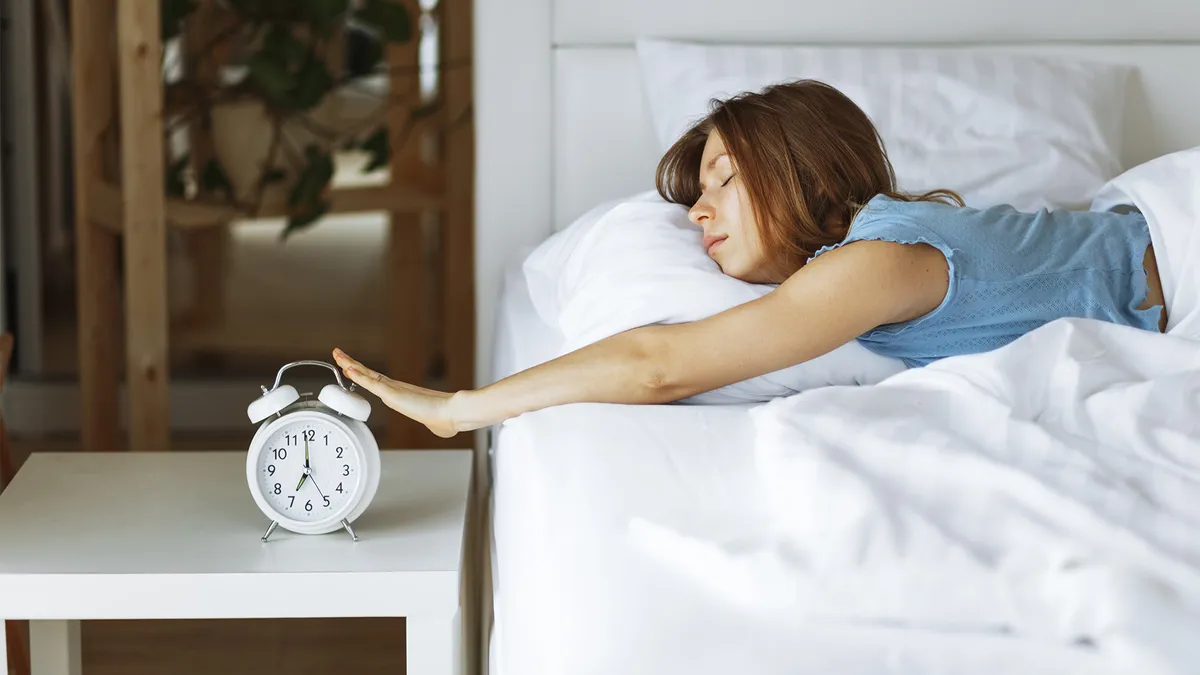
Forcing yourself to go to sleep a whole hour ahead of when your internal body clock (your circadian rhythm) normally expects to go to sleep is hard and stressful. You’ll toss and turn, and end up thinking you have temporary insomnia.
The smarter way to trick your circadian rhythm into going to sleep earlier, so that this Sunday’s one hour sleep loss is easier to handle, is to go to bed 15 minutes earlier than you normally would, starting tonight (Thursday).
By the time you wake up on Sunday morning, you will only have to cope with losing 15 minutes of sleep. Your energy levels won’t take a massive hit, and you’ll avoid that big afternoon slump that would otherwise knock you out around 3pm.
As a parent of a toddler, I know only too well how much of a difference the 15-minute rule can make in terms of keeping a tired child versus an overtired child awake until bedtime.
72-hour reset schedule for the Bear and the Night Owl/Wolf

OK, so now that you know what the 15-minute rule is and why it makes a difference, it’s time to look at a sample schedule for how to manage your bedtime, wake-up times, and eating times to support this 15-minute shift in sleep times each day.
| Row 0 - Cell 0 | Bedtime goal: |
Other habits: |
Thursday 26th March |
15 minutes earlier than last night's bedtime. |
This is where we start re-anchoring your circadian rhythm. Shift your dinner time 15 mins earlier compared to last night, and use your sunrise alarm clock to make the earlier wake-up less of a shock to the system. |
Friday 27th March |
30 minutes earlier. |
Dim your lights an hour before bedtime to encourage melatonin production. Stick to the 12pm caffeine ban to build enough 'sleep pressure' and ensure you're tired enough to fall asleep fast. |
Saturday 28th March |
45 minutes earlier. |
Get outside or use an S.A.D. lamp (10,000 lux) for 15-20 mins straight after waking up. This is the biggest shift; to your body clock and light is your ally. |
Sunday 29th March |
You should now be going to bed 60 minutes earlier than the bedtime you had on Wednesday. |
Throw those curtains open wide and get 15-20 mins of natural daylight or S.A.D. lamp (10,000 lux) light straight after waking up. Drink plenty of water, and take an afternoon walk to stave off fatigue. |
How the 15-minute rule reduces social jetlag

This small adjustment in the run up to the clocks going forward will help your internal body clock to adjust to the lost hour of sleep on Sunday.
Your circadian rhythm won’t suffer a massive shock, and you’ll stand a better chance of swerving annoying sleep problems like taking ages to fall asleep (compared to normal) and waking up at 3 a.m..
But the end goal here is to minimise how tired you feel on Sunday morning when you’re faced with losing that big hour’s sleep.
If you follow the 15-minute rule in advance, you’ll only be dealing with a small loss of sleep.
In theory, that should lead to less sleep inertia when waking, and smaller energy slumps in the afternoon.
Sleep tech to help you survive the clock change
It won’t cost you a penny to use the 15-minute rule, and multiple sleep experts agree it’s your best shot at surviving an hour’s sleep loss when the clocks spring forward.
That said, if you want to leave nothing to chance, there are three gadgets I’d recommend to help ‘reset’ your circadian rhythm and adjust quickly to losing an hour's sleep. Here they are…
1. Sunrise alarm clock
A good sunrise alarm clock will benefit most people every day of the year and not just in winter, but they are a particularly strong ally to the Night Owl / Wolf. These clocks create a faux sunrise, gradually brightening over 15 to 90 minutes.
This tricks your brain into suppressing melatonin and the faux sunrise helps wake you up in the lightest part of your sleep cycle.
The result? Less grogginess (sleep inertia) and an easier time getting out of bed at a time when your Night Owl / Wolf chronotype wiring just wants you to keep sleeping.
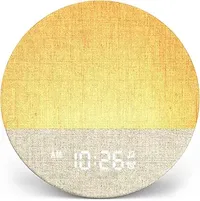
2. Circadian rhythm lighting
Again, I’d recommend circadian rhythm lighting as a part of every person’s bedtime routine, but especially for Bears like me.
Our chronotype dictates that we’re solar sleepers, which means we struggle when the sun doesn’t match up with our internal body clock.
With a smart lighting system you can dim your lights by around 15-25% every night, with the lights being dimmed 15 minutes earlier than the time you’d normally start your pre-bed wind down routine.
This should help nudge you into a sleepier state earlier in the evening, so you can fall asleep 15-minutes earlier each night without tossing and turning.

3. A light therapy lamp
Using the 15 minute rule, practising good sleep hygiene, and drafting in some helpful tech will give you the best shot at breezing through this weekend’s changing of the clocks.
But the likelihood is that some of us will struggle with morning grogginess and afternoon fatigue for two to three days after the clocks go forward.
If that happens to you, lean into light: try to get outside within 30 minutes of waking up, and stay outdoors for 15-20 minutes.
This blast of natural daylight (I don’t wear sunglasses during this time) helps regulate your sleep-wake cycle and encourages cortisol to surge and melatonin to be suppressed. This should make you feel more alert.
A good alternative is a 10,000 lux light therapy lamp, also known as a S.A.D. lamp. While these are more commonly used during autumn and winter by people dealing with Seasonal Affective Disorder, they are brilliant for banishing fatigue and getting that cortisol pumping.


