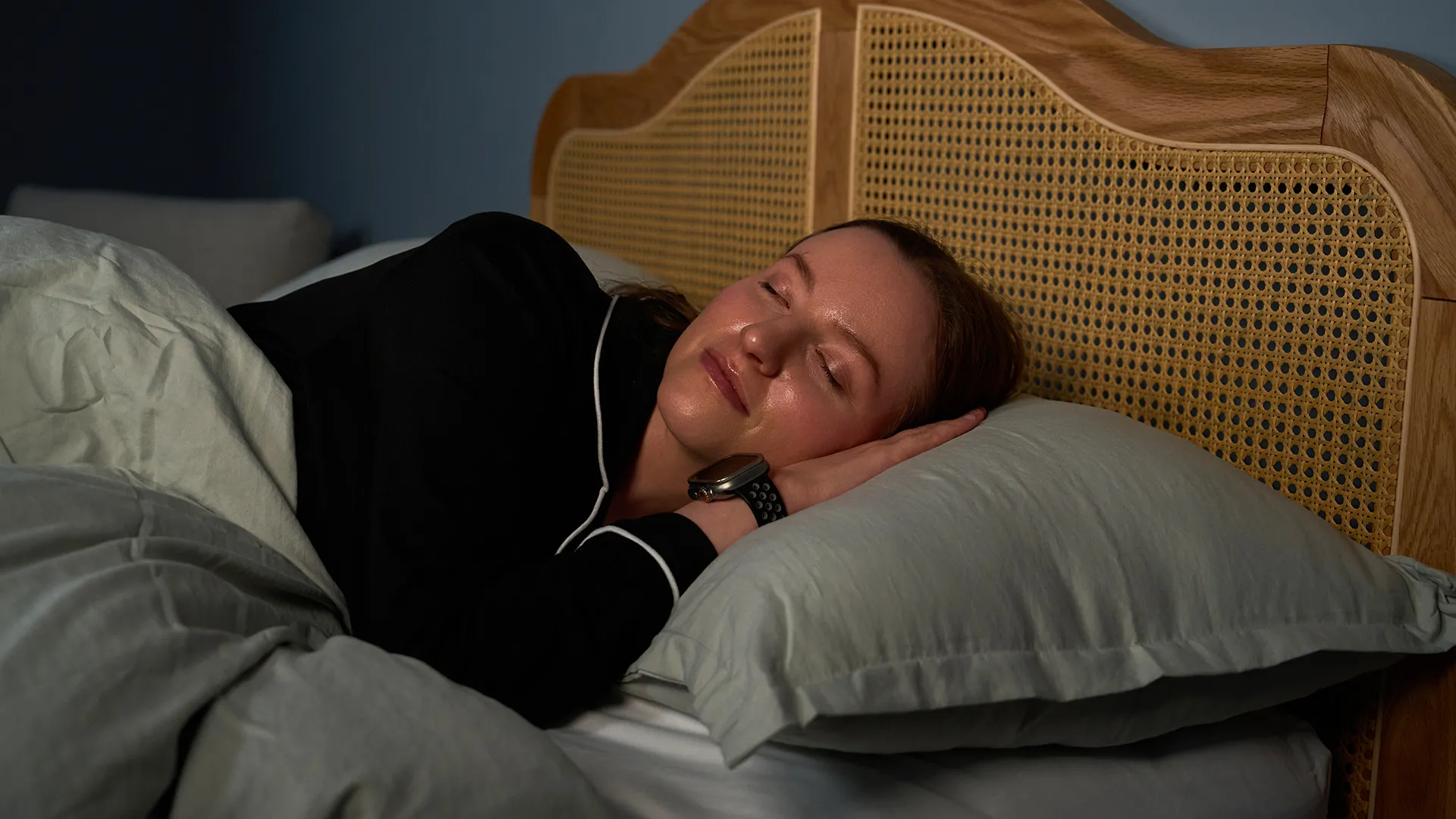
This Sunday, 25th October 2026, the clocks go back, marking the end of daylight savings. At 2 a.m. the clocks will shift back one hour to 1 a.m., giving us an extra hour in bed.
However, studies suggest that 34% of us dread the clock change, while 45% find it hard to adjust to the sudden shift from British Summer Time to Greenwich Mean Time.
Sleep disruptions, daytime energy slumps and fatigue are common ways in which your sleep can be affected by the clocks going back — but it doesn't have to be this way. To find out what we can do to sail through the time change, we spoke to Dr. Zoe Williams, NHS GP and Dreams’ Resident Sleep Expert.
How to prepare for the clock change
The days following the clock change are historically a time of increased fatigue, which can even lead to an uptick in car accidents. However, a few steps can help you prepare and adjust for this new time.
1. Move your bedtime (slightly) earlier
“You don’t need to completely change your routine in preparation," says Dr. Williams. "But if you know that changes to your sleep tend to affect you, try gradually moving your bedtime and wake-up time 15 minutes later each day for a few days beforehand."
These small changes are easier on your body than the sudden switch of the clock change. In spring, move in the opposite direction: start waking up earlier and going to bed earlier.
2. Open the curtains first thing
The clock change allows us to enjoy lighter mornings, so make the most of it.
"Exposure to natural sunlight in the morning can help reset your internal clock," advises Dr. Mercer. "Light is one of the most powerful signals for regulating the circadian rhythm, so spending time outside in the early daylight hours can help your body adjust more quickly."

And if you're feeling sleepy in the early evening, he recommends turning the lights on. This tells your internal clock that it's still daytime, so you don't have to prepare for bed just yet.
3. Keep to your wind-down routine
“It’s the sudden change in routine that can be more noticeable than the hour itself," notes Dr. Williams. Our body clocks thrive on consistency, so even a relatively small shift can temporarily affect when we feel sleepy and alert."
To counteract this, she advises keeping your bedtime routine familiar.
“Try to eat, exercise and wind down at roughly the times you normally would, and make the most of natural light during the day," she says. “Don’t overlook your sleep environment either. Keeping your bedroom dark, cool and comfortable can help create the right conditions for a good night’s sleep."

Follow Tom's Guide on Google News and add us as a preferred source to get our up-to-date news, analysis, and reviews in your feeds.