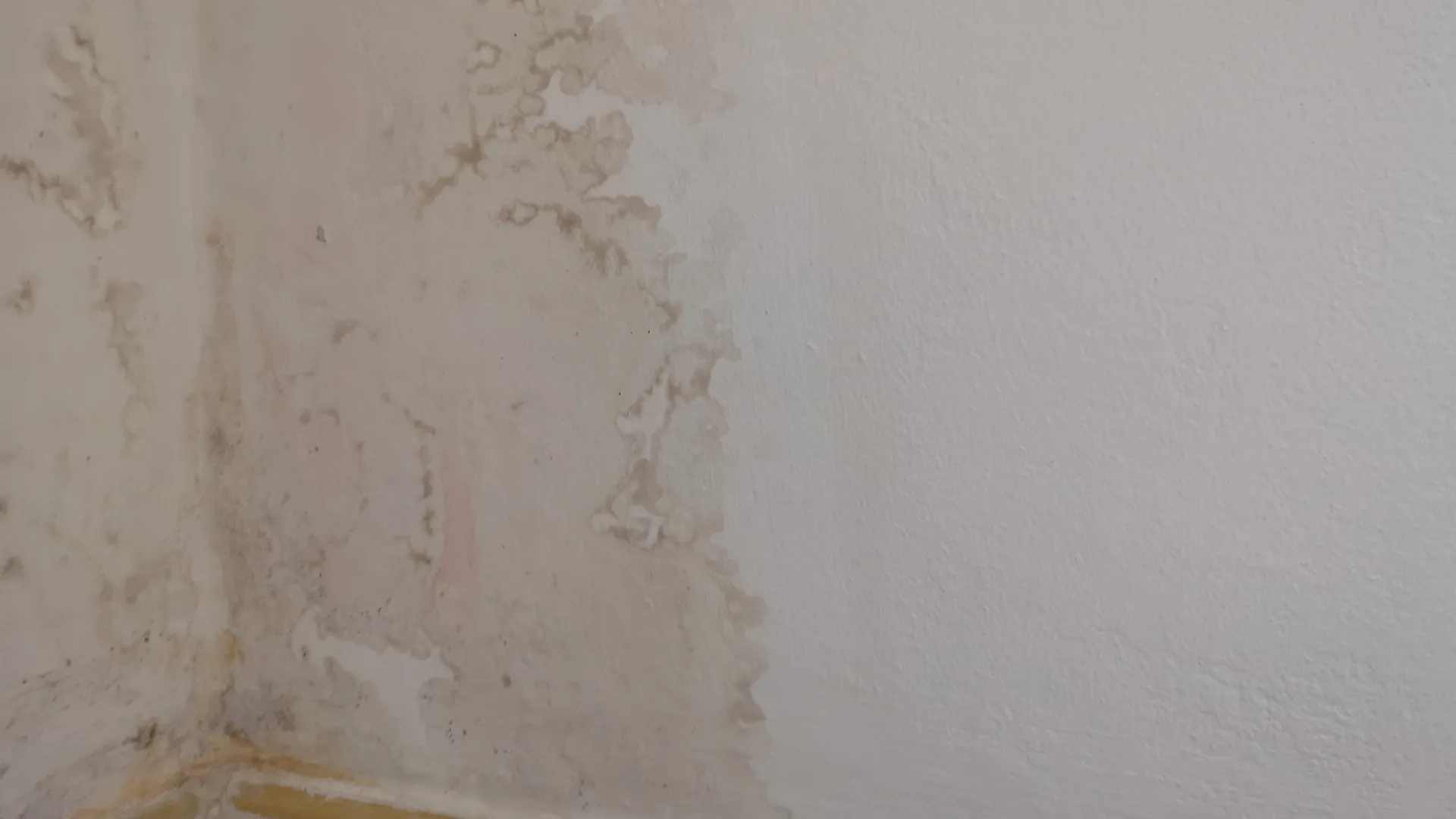
I recently discovered some unexplained dampness and mold in my home. Despite checking for leaks and using one of the best dehumidifiers to reduce the moisture in my home, I couldn’t identify the source.
Even after checking my property for signs of mold, I was dumbstruck until I discovered the dampness was quietly coming from my neighbor’s side.
The problem with damp
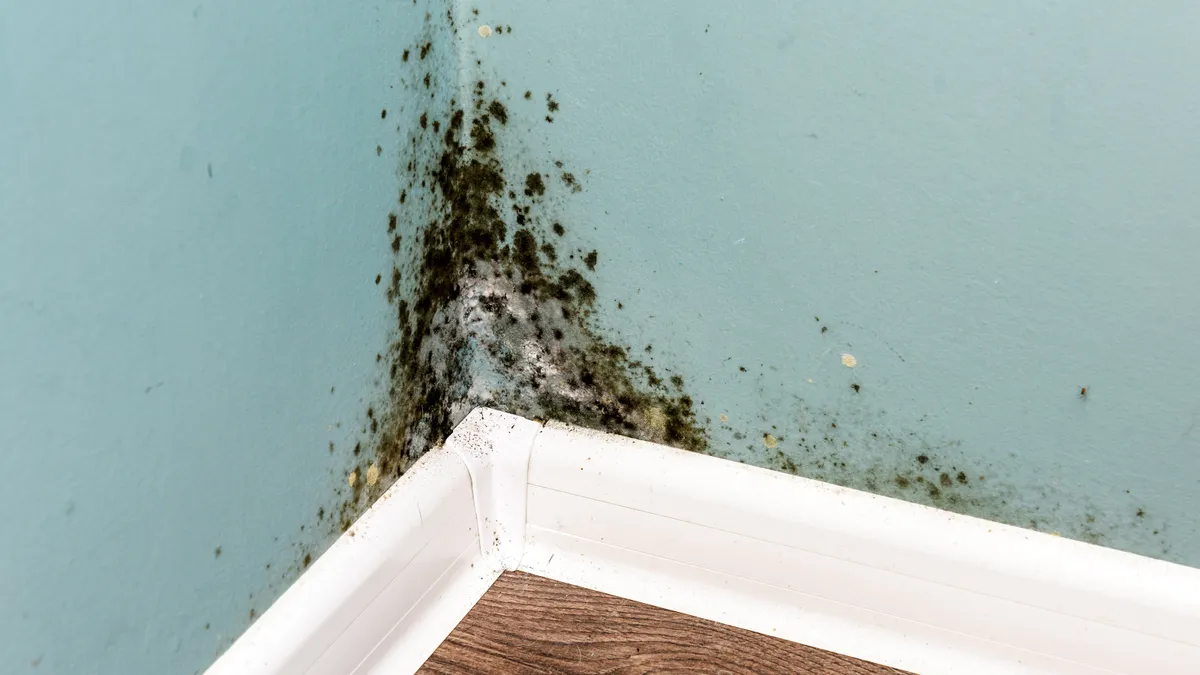
According to Helen Rolph, home insurance expert at Quotezone, penetrating dampness is the main cause of mold in the home, and when it comes from a neighboring property, it’s harder to identify.
Moisture from leaks, plumbing, gutters and shared walls can sometimes seep between neighboring properties and cause damage. What’s more, beyond looking unsightly, black spores spreading on your walls can lead to serious health issues, including respiratory problems and asthma.
So if, like me, you can’t spot what’s causing the mold or dampness, it may be worth looking beyond your property to what’s happening in your neighbor’s home.
How to deal with dampness caused by your neighbor
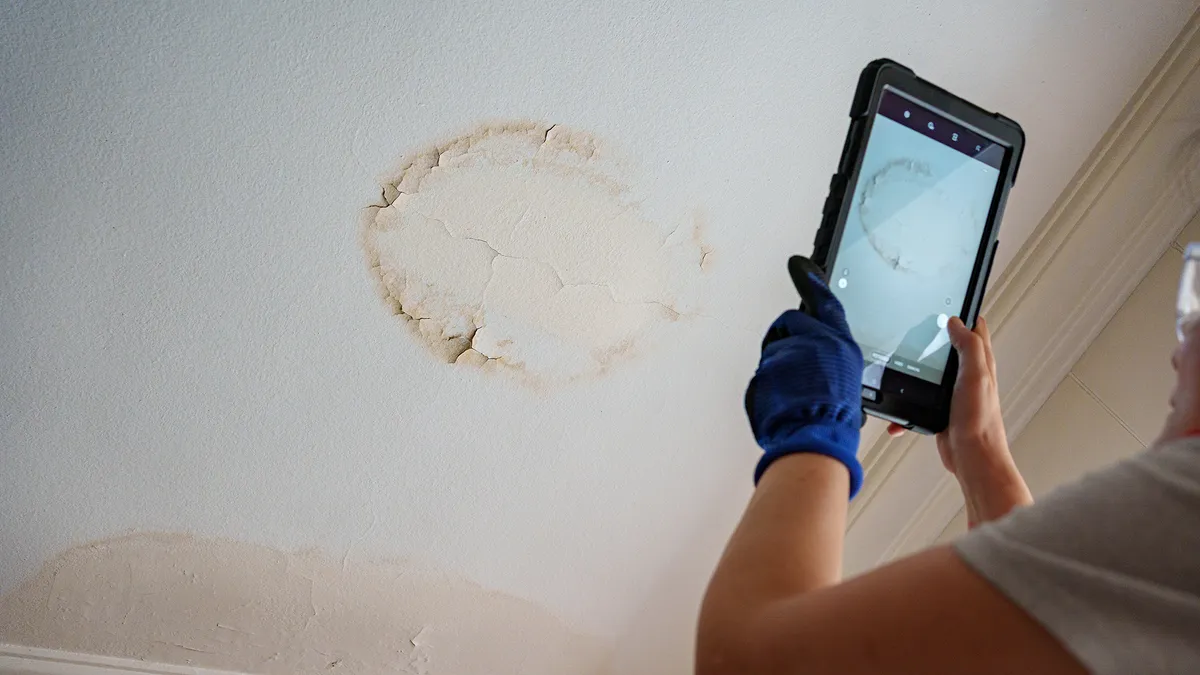
“While some damp issues are relatively easy to spot, others can originate from adjoining properties and leave homeowners wondering who is responsible,” explains Rolph.
If you do spot damage, she says it’s crucial to take photographs and keep a record of when the problem started. “When the damage is coming from someone else’s property, it can be a tricky topic to discuss. The hope is that the neighbor is understanding and either pays for the damage or claims off their insurance to fix the problem and cover the repairs needed for all parties.”
But what can you do if claiming off your neighbor’s insurance isn’t an option? Rolph explains, “Standard home insurance could cover damage caused by a neighbor, but homeowners need to be aware that claiming off their own policy may cause them to lose their no-claims bonus and potentially increase future premiums.”
Rolph recommends checking your insurance policy and talking to your insurer as soon as you notice such a problem.
5 hidden neighbor hazards beyond your walls
If you suspect mold is caused by moisture seeping from your neighbor’s property, one of these five problems could be the cause.
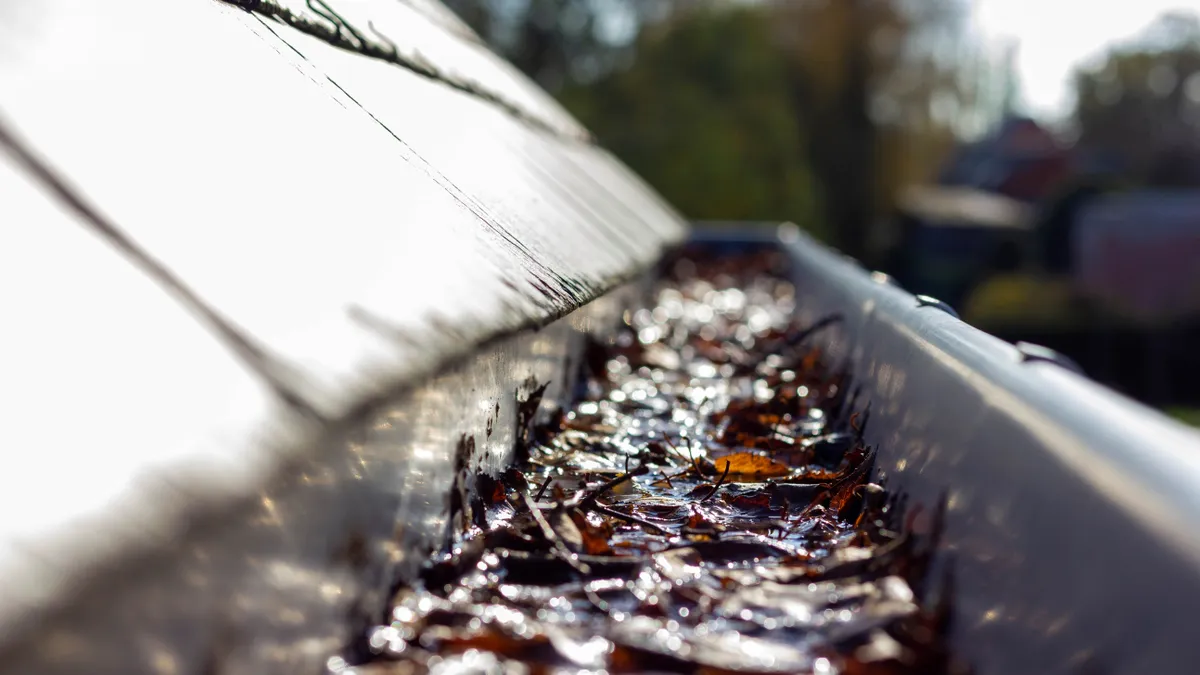
1. Poorly maintained gutters
Gutters that are blocked or poorly maintained can cause rainwater to overflow and run down the outside of a building instead of being carried away. When an external wall continues to be soaked, the brickwork becomes saturated and eventually finds its way inside, leaving damp patches.
2. Leaks from a neighbors extension or building
If your property is adjoined to a neighbor’s extension or conservatory which has a leaking gutter or roof, rainwater can get into the area where the buildings meet. If left untreated, the water can pass through and show up as damp inside your home.
3. Overgrown plants against walls
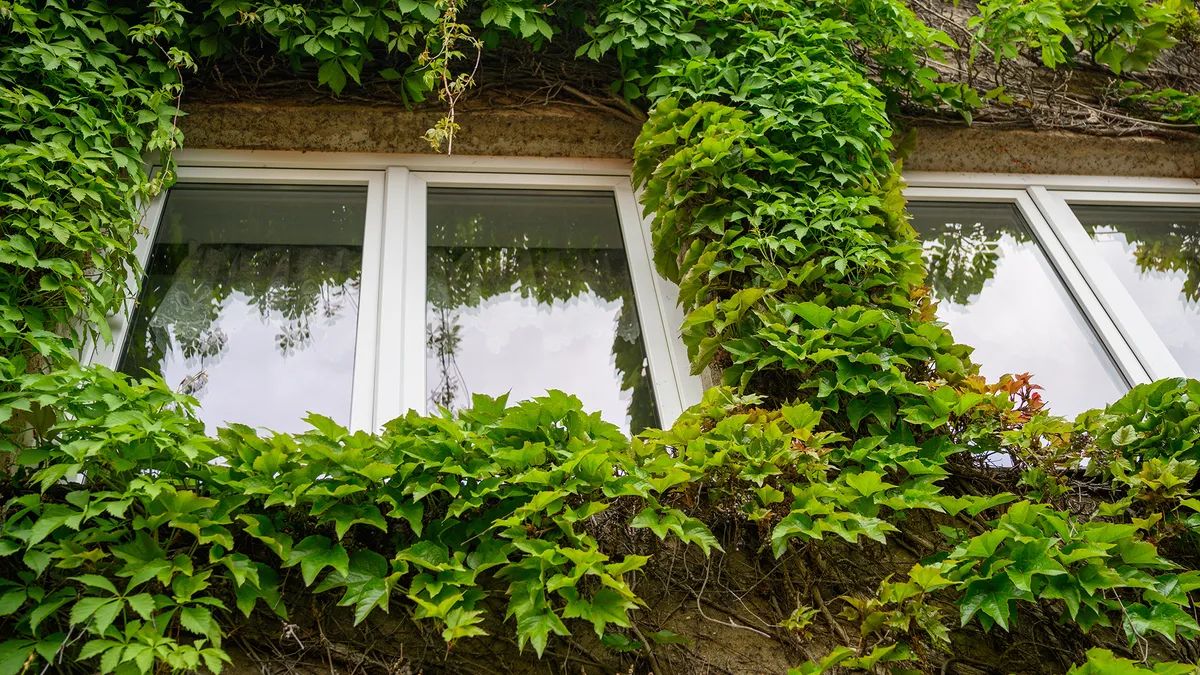
Trees, shrubs or climbing plants that grow against a neighbor’s wall can trap moisture after rainfall and prevent the brickwork from drying out. Beyond trapping moisture, roots and climbing stems can crack brickwork and mortar, creating tiny cracks for water to seep inside.
4. Vacant or properties in ill-repair
Problems like broken pipes and damaged roofs can go unnoticed and unrepaired if a house is left empty for a length of time. Rain can then enter the property or build up around it, affecting adjoining walls and potentially spreading moisture into your home.
5. Leaking pipes or plumbing issues
A leaking pipe or other plumbing issue near a shared wall can cause water to seep into brickwork or plaster and through to the other side. If the leak goes undetected, the wall may stay damp for long periods, which can cause staining, peeling paint and mold growth.

Follow Tom's Guide on Google News and add us as a preferred source to get our up-to-date news, analysis, and reviews in your feeds.
More from Tom's Guide
- Why are the inside of my window panes fogging up? Glazing experts reveal all
- 5 houseplants that will help prevent mold in your home
- Is your bathroom harboring black mold? An expert shares 3 telltale signs and how to fix them