Less screen time, better sleep, more energised mornings: sounds like a dream, right? Except there’s one gadget that has helped me achieve all these things in the last month, and that’s a trusty sunrise alarm clock.
As fall crept in, darker mornings caught me off guard. I was waking up groggy, skipping morning workouts, and found myself rushing to get to work on time. This had a knock on effect on my mood throughout the day, so I knew it was time to make a change.
I’ve been invested in finding the best sunrise alarm clock on the market for some time now and, this year, I’ve upgraded with the brand new Hatch Sleep Clock. Here's how using a sunrise-simulating device has boosted my morning energy levels over the last 30 days...
The iPhone snooze button trap
While there are benefits to using a sunrise alarm clock year round, I relied on natural sunlight to wake me up this summer, with a little push from my iPhone alarm.
However, as the season changed, the sunlight I had relied on to wake me up started showing up later. Being jolted awake by my phone in darkness came with problems.
I felt disorientated, groggy, and was constantly hitting snooze every morning, which are all classic symptoms of sleep inertia.
"Light is the biggest trigger for setting your body clock"
Gary Brecka, human biologist and longevity expert
Then, when I eventually opened my eyes, my hand would instinctively reach for my phone to check notifications. The next thing, I found myself scrolling on my phone instead of getting on with my day.
As a morning lark, the morning is when my energy levels are usually at their highest and I’m most productive. However, hitting snooze and losing myself to social media left me feeling sluggish and unmotivated. So I knew I needed to make a change.
How a sunrise alarm boosted my morning energy levels
30 days later, I'm thankfully noticing improvements, and I've reached out to human biologist and longevity expert Gary Brecka to get the run down on the science behind why a sunrise alarm clock is such a good investment at this time of year.
1. No more morning grogginess
Dragging yourself out of bed when it's dark outside is difficult, and that’s down to the science that dictates you need a light source to shift your body into an awake state.
Light exposure helps transition your body from deep sleep to light sleep as it suppresses hormones that make you feel sleepy (more on these below). Essentially, "As the days darken your body produces more melatonin and less serotonin, which is why people feel sluggish and oversleep," says Brecka.

You want to be in a light sleep stage with less melatonin present just before your alarm sounds for a easy transition from slumber to wakefulness. When natural light isn't available during autumn and winter months, a sunrise alarm clock gradually lights up your bedroom, suppressing melatonin.
Now I've swapped my jarring alarm sound for sunlight simulation and a gentle tune, I'm rising more gradually rather than rudely interrupting a deep sleep cycle.
The gentle wake up call helps reduce sleep inertia (the state between sleep and wake), fighting off grogginess and the temptation to hit snooze.
2. Simulated sunrise helps me feel alert
It turns out exposure to sunlight, be it the real deal or simulated, through closed eyelids or open, prompts the body to produce hormones that help you feel alert upon waking. The hormones in question? That's serotonin and cortisol.
Brecka explains: "When your eyes register natural light within the first hour of waking, you send a signal to your brain to suppress melatonin, your sleep hormone, and start producing cortisol, your energy hormone."

You may associate cortisol with stress but it also has a role in regulating energy levels. Brecka, who founded The Ultimate Human podcast, says "cortisol gets a bad rap" but "in the morning it's exactly what you want." That's because it promotes alertness, helping you feel energised upon waking.
With my Hatch Sleep Clock helping to raise my cortisol levels over a 30 minute time span prior to waking, my body is more prepared to wake up by the time the alarm rings.
Instead of hitting that snooze button, I'm waking up feeling more 'with it' and have time to fit in a morning run – trust me, my mood is all the more better for it.
3. I’m finally getting the sleep I need
"Light is the biggest trigger for setting your body clock," says Brecka, aka your circadian rhythm, which runs on a 24 hour cycle. "We actually have a clock in the brain. It's called the suprachiasmatic nucleus, which is a very sophisticated name for basically the puppeteer that sets your circadian rhythm."
Therefore, "Your morning determines your night," explains the biohacker. "So natural sunlight in the morning suppresses melatonin and raises cortisol. Then 12 to 16 hours later your body starts making melatonin again so you can fall asleep."

A sunrise alarm clock can reinforce this regular sleep-wake pattern. In the Hatch app, I've set a specific bed time and wake time so my alarm clock turns on sundown mode and sunrise mode at the same time night in, night out.
This holds me accountable around sticking to consistent bedtimes (the golden sleep rule if you want to improve longevity, according to new studies).
Notably, I'm falling asleep quicker and waking up easier as my body is in tune, anticipating sleep at regular times. Bonus, I'm getting the recommended seven to eight hours, steering clear of a sleep deficit.
4. I have healthier scrolling habits
Honestly, I'm a self-confessed doomscroller. I've lost count of how many times I've vowed to read before bed and ended up scrolling reels instead. Again, my sunrise alarm clock has been a life saver here.
Without being reliant on it to wake me up in the morning, I'm making a conscious effort to leave my phone outside my bedroom. This way, I'm actually reading instead of scrolling before bed.
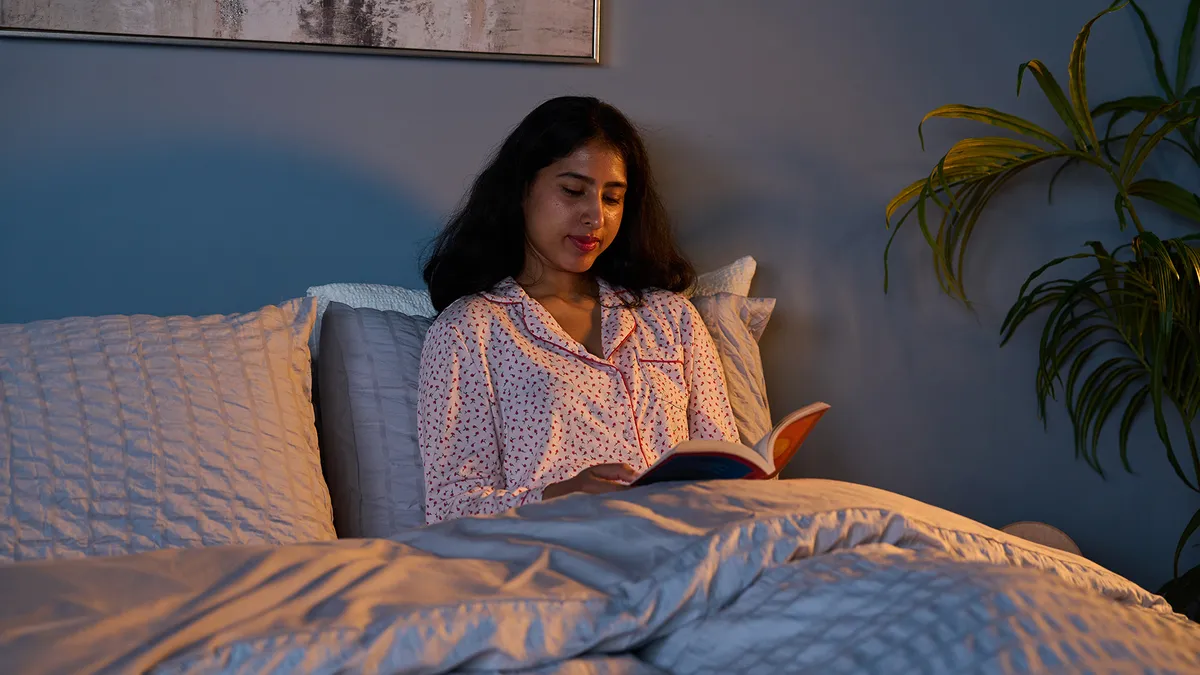
With my phone out of the bedroom, I'm not able to reach for the time-sucking device first thing in the morning, wasting vital minutes of the day sucked into a screen instead of getting natural light. Instead, I'm immediately getting up and ready for the day.
Bombarding your brain with social media notifications, messages, and news headlines as soon as you wake up can certainly drain your energy levels and enthusiasm. That snippet of screen-free time in the morning has truly made a difference to both my energy and mood the last month.
Swapping my iPhone for a sunrise alarm — pros and cons
What worked…
The sunrise alarm clock helps banish morning grogginess: Gradually pulling me from sleep, simulated sunlight has helped me feel more alert upon waking.
It encourages consistent sleep routine: Reinforcing bed time as well as wake up time, a sunrise alarm clock has forced me to stick to my good sleep intentions, making sure I get the rest my body needs.
I've improved my screen time habits: Allowing me to remove screens from the bedroom, my sunrise alarm clock has done wonders for reducing my screen time around bed time and first thing – hallelujah.
It's gentler on my nervous system: Nobody likes an iPhone alarm tone, including your nervous system. A loud, sudden noise jolts you from sleep, raising stress; whereas gradual light promotes a gentle transition from sleep to wake.
What irked…
Sleep divorce pending: If you share a bedroom with someone with a different sleep schedule lighting up the room may be problematic. Once the light hits, they are likely to feel alert too even if its too early for their liking.

Final verdict
When your bedroom is dark, a shrill alarm sound tends to wrench you out of deep rather than light sleep. This leads to sleep inertia, which is the groggy, disoriented feeling you experience when you wake from deep sleep.
Replacing that audio alarm with simulated sunrise has transformed my mornings over the past month. Waking up feels more natural, like my body is genuinely ready to start the day, instead of hitting snooze for up to an hour.
I took natural sunlight for granted through the summer months and once the sun started rising that little bit later, my usual wake up routine went haywire. Now, thanks to my Hatch Sleep Clock, I'm enjoying morning workouts again and generally finding it easier to power through the day.

Follow Tom's Guide on Google News and add us as a preferred source to get our up-to-date news, analysis, and reviews in your feeds.