A tired, uneven lawn overrun with weeds can be turned around. In most cases, the issue isn’t poor soil or bad grass — it’s a handful of common care habits that are easy to correct.
Mowing too low, watering little and often, and neglecting feeding routines all weaken turf over time. When grass is undernourished or stressed, it loses its ability to crowd out weeds, fight off disease, and keep that rich green appearance.
Noticeable recovery doesn’t require specialists or expensive treatments. With the right approach grass responds quickly, often within a few weeks. Focus on giving it what it actually needs, and the difference becomes clear.
Here are eleven practical tips that have the greatest impact.
1. Mow at the right height

Most people cut their grass far too short, thinking shorter means less frequent mowing. But scalping your lawn removes the leaf surface grass needs for photosynthesis, weakening the entire plant and making it vulnerable to weeds and disease.
Never remove more than one-third of the grass blade height in a single mowing. This rule maintains enough leaf area for the grass to produce energy while still stimulating new growth. When you trim just the tips, grass responds by producing new shoots to compensate, creating thicker, denser turf.
Find the recommended height for your grass type and stick to it. Most cool-season grasses thrive at 2.5-3.5 inches, while warm-season varieties do well at 1.5-2.5 inches. Taller grass shades soil better, helping retain moisture and preventing weed seeds from germinating in the first place.
2. Keep your mower blades sharp

Dull mower blades tear grass instead of cutting it cleanly, leaving jagged brown edges that stress the plant. Grass expends energy repairing torn tissue instead of growing thick and strong.
Sharp blades make clean cuts that heal quickly, keeping grass tips green and healthy. The difference is visible immediately, lawn edges look crisp and stay green instead of browning within days.
Sharpen your mower blade at least once per growing season, more often if you mow frequently or hit rocks and debris. Use a bench grinder, file, or blade sharpening kit to maintain the original cutting edge angle. Many hardware stores also offer blade sharpening services.
3. Fertilize three to four times per year
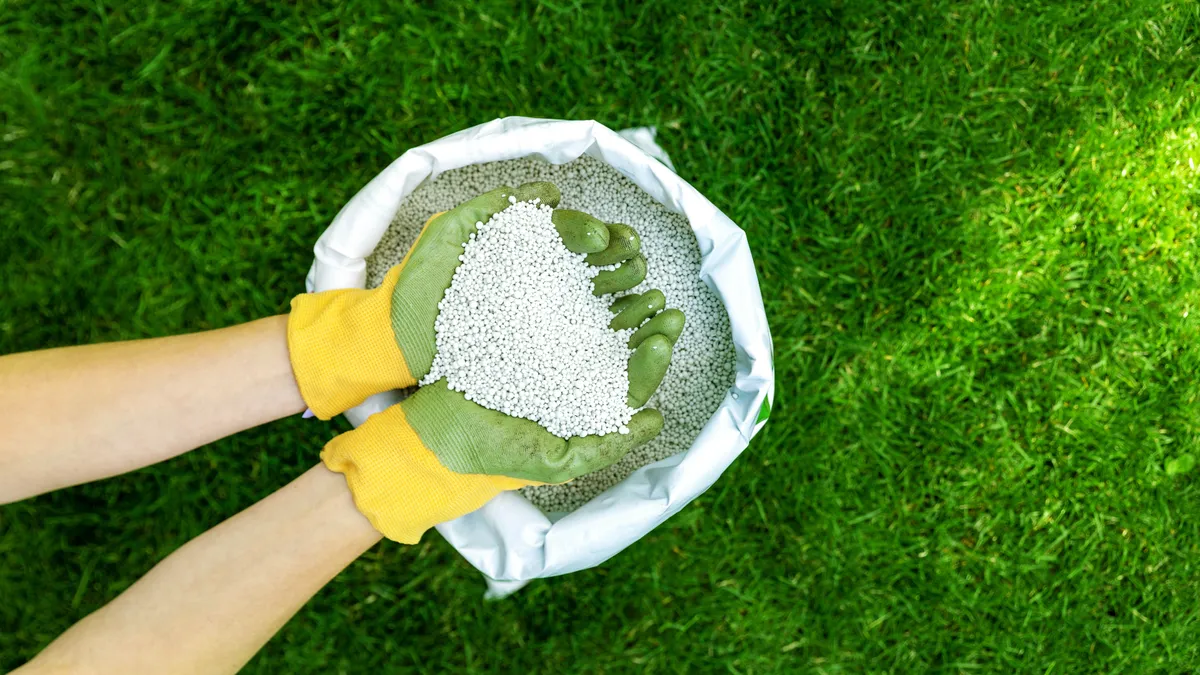
Grass needs regular feeding to maintain a deep green colour and strong, healthy growth. Water alone isn’t enough. Lawns also need key nutrients like nitrogen, phosphorus, and potassium to truly thrive.
For best results, feed your lawn three to four times a year: early spring, late spring, summer, and autumn. If that’s not practical, aim for at least two applications, once in spring and again in autumn.
Spring fertiliser should be high in nitrogen to boost chlorophyll production and encourage that rich green colour. In autumn, the focus shifts from growth to resilience, helping strengthen roots so your lawn can withstand winter and bounce back in spring.
Always follow the instructions on the packaging, more fertiliser isn’t better. Overfeeding can scorch the grass and, in severe cases, kill it.
4. Water deeply but infrequently
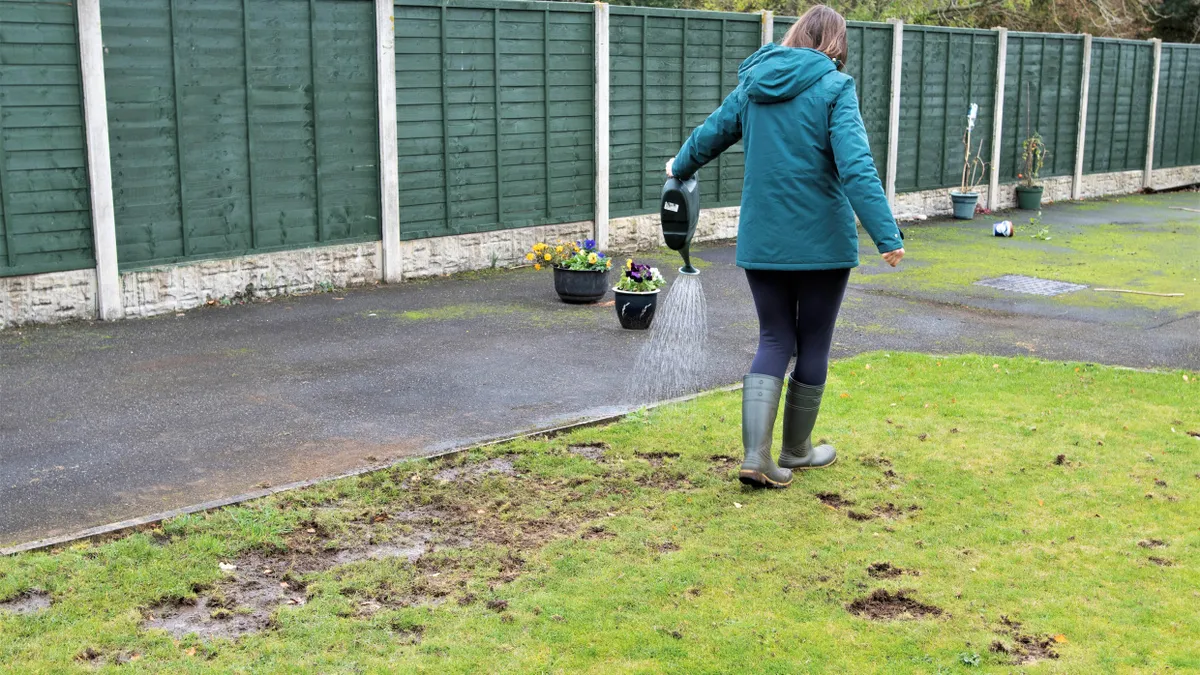
Light, frequent watering creates shallow root systems and weak grass that struggles during dry spells. Deep, infrequent watering encourages roots to grow down several inches, making grass more drought-resistant and better able to access nutrients.
When you water, soak soil thoroughly so moisture penetrates 4-6 inches deep. Let soil dry somewhat between waterings as grass roots need air as well as moisture.
In most climates, natural rainfall provides adequate moisture during cooler months. Supplement with irrigation only during extended dry periods or heat waves. Water early morning to minimize evaporation and fungal growth.
5. Aerate compacted soil annually
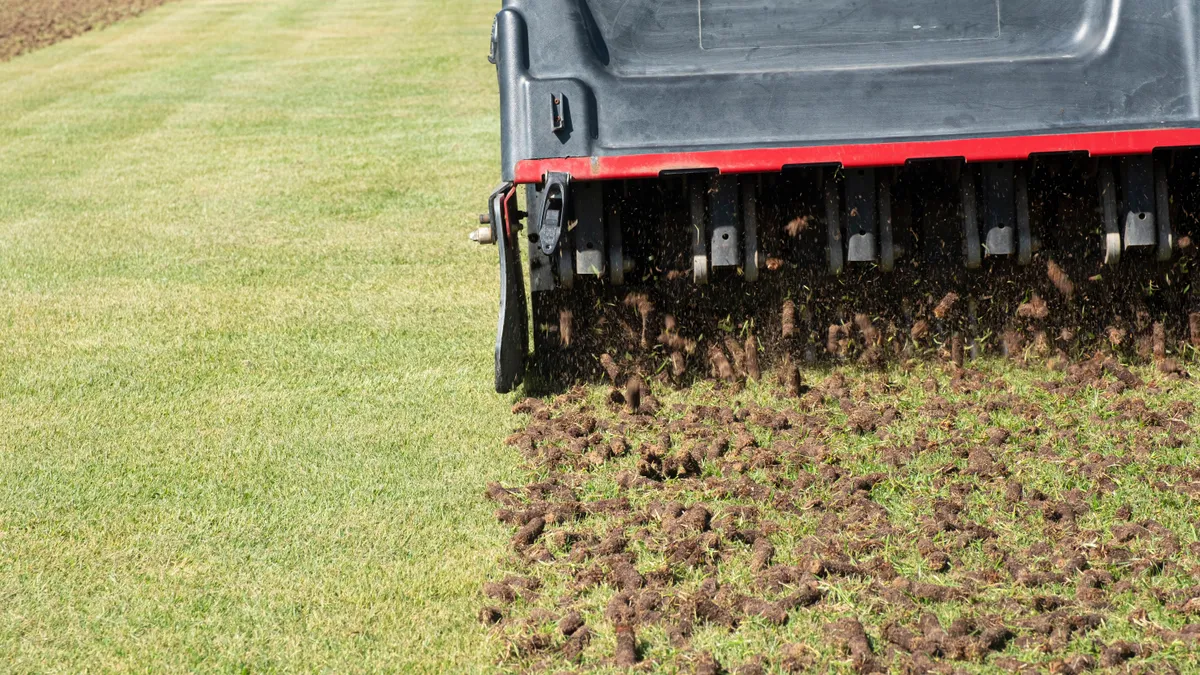
Foot traffic, equipment, and natural settling compress soil over time, making it difficult for water, air, and nutrients to reach grass roots. Compacted soil is a silent lawn killer that prevents grass from accessing everything it needs.
Core aerators that pull up soil plugs work better than spike aerators that just puncture holes. The removed plugs create larger openings for air and water penetration while the extracted soil helps break down thatch.
Water your lawn the day before aerating so soil is moist but not muddy. Work across your lawn in one direction, then make perpendicular passes for complete coverage. Focus extra attention on high-traffic areas near pathways, driveways, and play areas.
6. Overseed thin patches and bare spots
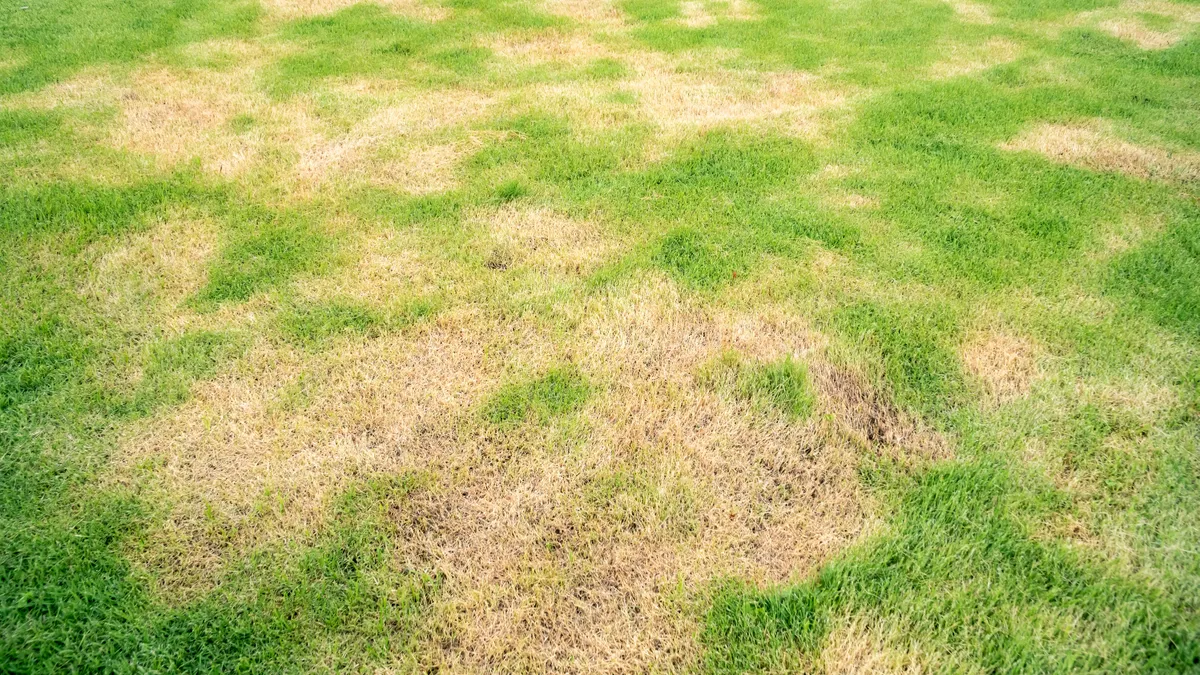
Bare spots and thin areas won't fix themselvesthey need fresh seed to fill in. Overseeding increases lawn density and crowds out weeds before they establish.
Choose seed appropriate for your conditions: shade-tolerant varieties for low-light areas, drought-resistant types for dry spots, or hard-wearing seed for high-traffic zones.
Scatter seed evenly over thin areas, then lightly rake it in or cover with a thin layer of compost and water gently with a sprinkler or watering can. Keep soil consistently moist until new grass establishes, which takes 2-3 weeks.
For faster germination, you can pre-sprout seed by mixing it with damp compost in a container for several days until small roots appear, then spread as usual.

7. Remove thatch buildup before it chokes grass
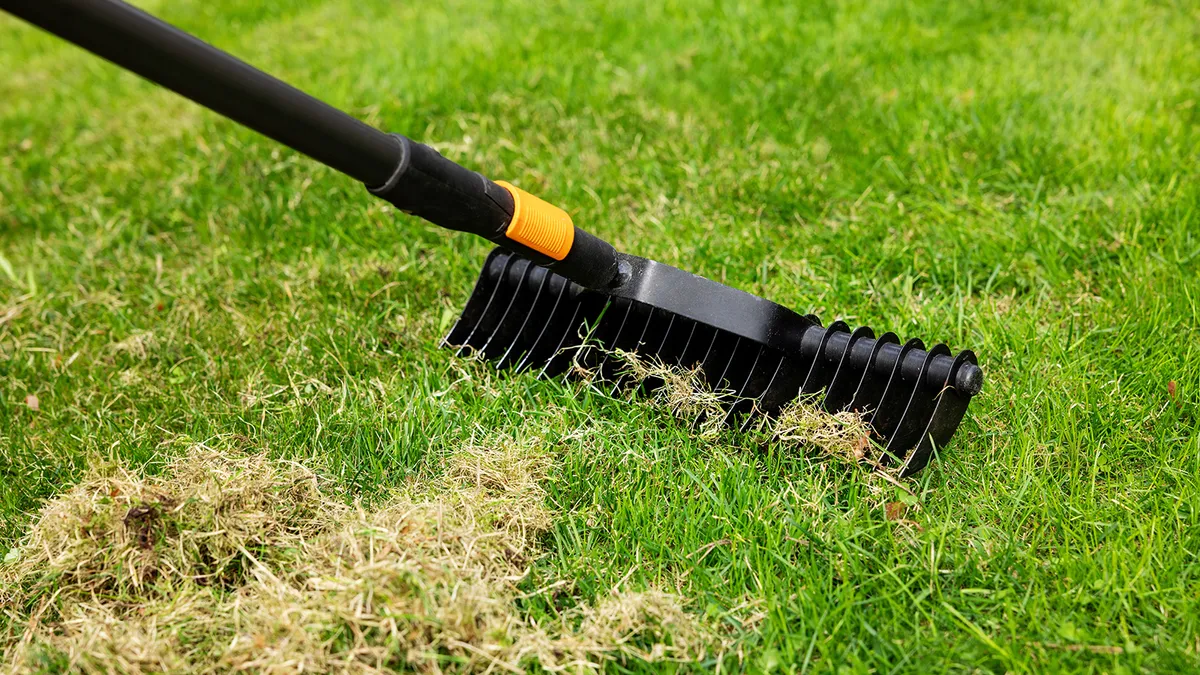
Thatch is the layer of dead grass clippings and organic debris that accumulates between soil and living grass. A thin layer is normal and beneficial, but excessive thatch, more than half an inch, creates a barrier preventing water and nutrients from reaching roots.
If your lawn feels spongy when you walk on it, or you can see thick brown material when you part the grass, thatch is a problem.
Rake your lawn vigorously with a sturdy garden rake or a dethatcher for larger areas. This breaks up the layer and allows water, air, and nutrients to reach soil.
8. Attack weeds and moss strategically

Weeds like dandelion and chickweed, steal nutrients, water, and sunlight from grass. Many weeds aren't the vibrant green you want, so they detract from lawn appearance even when grass is otherwise healthy.
Hand-pull weeds when possible, getting the entire root system to prevent regrowth. This is tedious but precise and won't damage surrounding grass.
For widespread weed problems, use selective herbicides designed to kill broadleaf weeds without harming grass. Apply when weeds are actively growing and always follow the label directions, as more isn't better and can damage your lawn.
The best long-term defense against weeds is thick, healthy grass. Dense turf crowds out weeds naturally, so focus on the other tips in this list to strengthen your lawn.
9. Maximize sunlight exposure

Grass needs sunlight to photosynthesize and produce energy for thick, green growth. Shaded areas will always struggle compared to sunny spots because they can't generate enough energy to maintain healthy roots and dense growth.
Trim back overgrown shrubs, prune tree branches that cast excessive shade, or remove objects blocking sunlight unnecessarily. Even an extra hour or two of direct sun daily significantly improves grass health and color.
For heavily shaded areas where increasing light isn't possible, consider shade-tolerant grass varieties or alternative ground covers like clover or moss that thrive in low light.
10. Leave grass clippings on the lawn
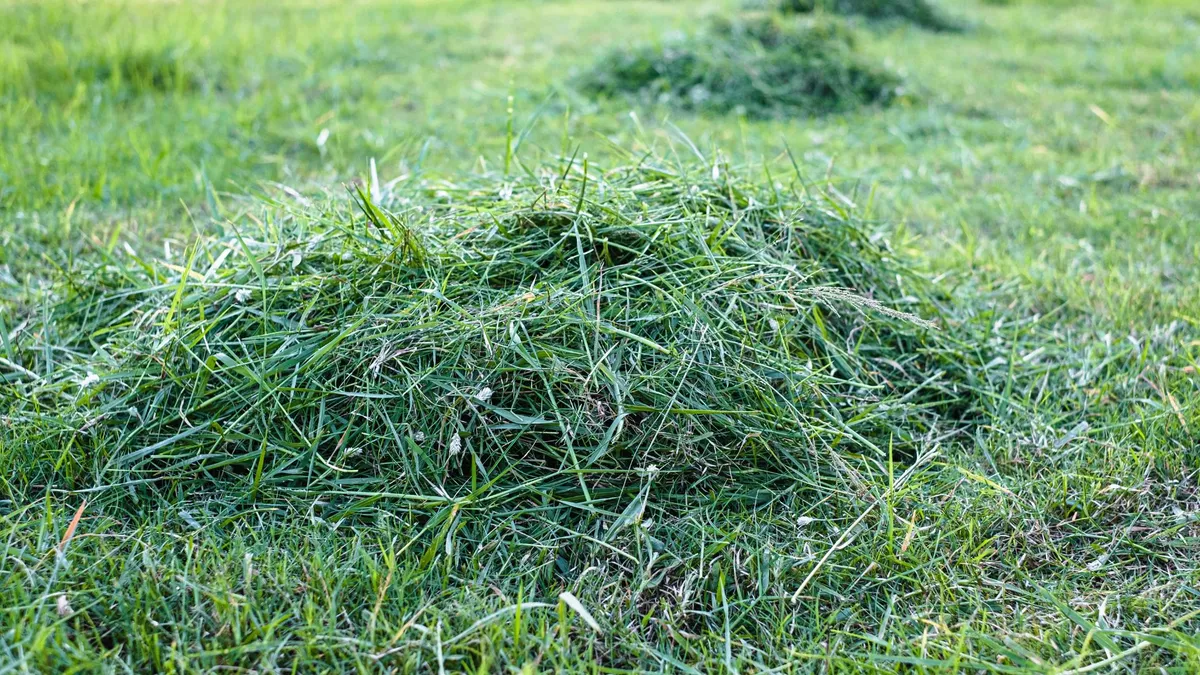
Contrary to popular belief grass clippings don't cause thatch buildup, they decompose quickly and return valuable nutrients to soil. Clippings are roughly 85% water and break down within days, releasing nitrogen back into the lawn.
Only bag clippings if grass is extremely long (you broke the one-third rule), wet and clumping, or diseased. Otherwise, leave them to decompose and feed your lawn.
This "grasscycling" provides up to 25% of your lawn's annual fertilizer needs for free. You'll need less commercial fertilizer while improving soil health naturally.
11. Test and adjust soil pH
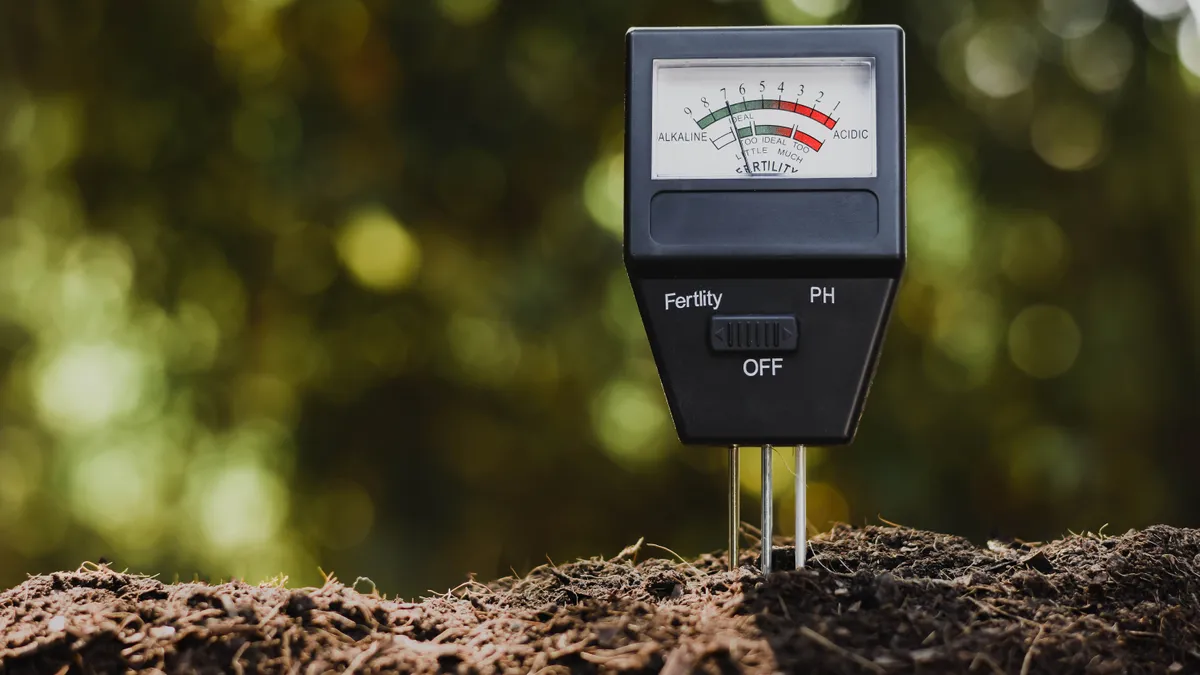
Grass struggles in soil that's too acidic or too alkaline because nutrient availability depends on pH. Even if you fertilize regularly, grass can't absorb nutrients if pH is off. It's good practise to purchase an inexpensive soil test kit.
Most grass types prefer slightly acidic soil with pH between 6.0 and 7.0. If soil is too acidic (below 6.0), add lime according to test recommendations. If too alkaline (above 7.0), add sulfur. These amendments take several months to change pH, so test in the fall and apply amendments before winter.

Follow Tom's Guide on Google News and add us as a preferred source to get our up-to-date news, analysis, and reviews in your feeds. Make sure to click the Follow button!
More from Tom's Guide