January 9th is Quitter's Day, the day when many of us take a look at our New Year's resolutions and decide... 'nah'.
But if you're wavering on your lofty goal to 'get healthier' or 'be better with money', we've got a tip to show Quitter's Day who's the boss and help you stick to your resolutions in 2026.
It involves the Military Sleep Method, an expert-approved sleep hack that's easy to use and said to help 96% of people who try it get better sleep.
Shifting your New Year's resolutions away from grand designs and towards an achievable habit that prioritizes sleep has a two-fold benefit. First, you're more likely to stick to your goal when it takes just a few minutes of your time and can be done lying down.
Second — as we'll dive into below — good sleep improves willpower, control and decision making. After several nights of consistently good sleep, 'getting healthier' should seem eons more achievable than it did this morning.
Good sleep is the foundation of successful New Year's resolutions
Research suggests just 9% of people stick to their resolutions for an entire year. To be blunt, if you're lacking sleep, you're going to struggle to meet your goals.

In an LinkedIn post Adam Grant, organizational psychologist at Wharton, notes; "the best way to improve is not to focus on results, it's to focus on habit." So rather than vowing: 'I want 8 hours of sleep every night', set the goal of practicing the Military Sleep Method five nights a week.
On the other hand, researchers have found prioritizing sleep one night can help you reach your step goals the next day. There's a reason why the world's most successful practice good sleep hygiene...
Self-control is strongly influenced by both the quality and quantity of your sleep, while a 2011 review linked poor sleep to weaker willpower. Sleep loss also impacts your energy levels and with it, your capacity for effort (who picks meal prep over a takeaway when they're sleep deprived?)
Plus, if you vowed to get healthier in 2026, it's worth noting unhealthy eating is a symptom of sleep deprivation, but good sleep can help you lose weight.
Sleep can also add a boost to your exercise regime. Our sleep tech expert Eve Davies credits good sleep with helping her run a literal marathon, describing it as a "powerful, free recovery tool" (and the research backs that up.)
And if you're sleep deprived, you're less likely to make well thought out decisions — so your budgeting goals fly out the window.
Why the Military Sleep Method should be your new habit in 2026
'Getting better sleep', as vital as it might be, is still a lofty and nebulous goal.
Good sleep hygiene is typically formed of a series of consistent habits... but it's January 9th and a routine overhaul isn't happening. So let's start small.
The Military Sleep Method is both good for your sleep and actually enjoyable. It's also easy, free and you get to pretend your some place with better weather, making it the perfect January hack.
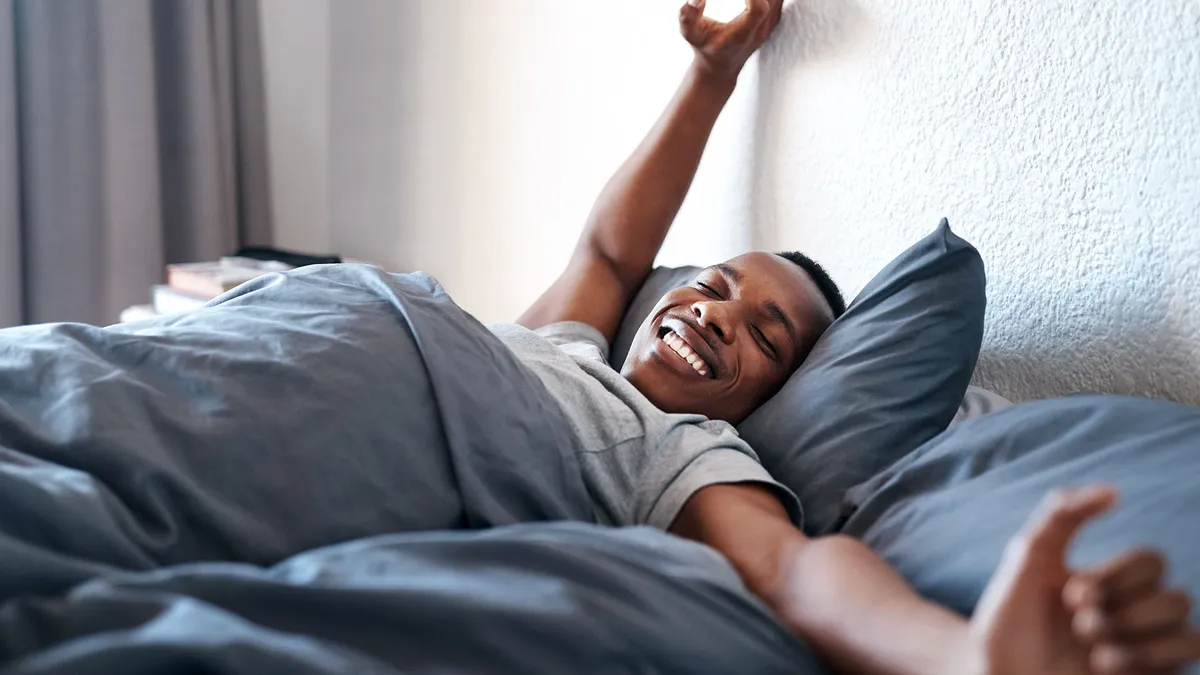
We have a full guide to the Military Sleep Method and I suggest you give that a read before giving it a go. But here's a quick run down of the basics:
- Relax your whole body, starting from your face and working systematically down to your toes.
- Imagine a calming sensation spreading through your body and clear your mind of thoughts.
- Breathing deeply and steadily, picture yourself lying in a canoe on a calm lake, or on a hammock in a pitch black room.
- If your mind wanders, repeat 'don't think' for several seconds, then return to your visualization.
Pretty simple, right? All you need to do is lie in bed, relax, and picture the lake of your choice (I drift off on Lake Tahoe, FYI.)

Admittedly, you're unlikely to see the results of the Military Sleep Method right away. But consistency can pay off with a sleep latency of just two minutes for some long-term Military method followers.
3 other sleep hacks to try this Quitter's Day
If the Military Sleep Method doesn't sound like your thing, don't let that stop you from taking up another sleep-friendly habit. I promise these options are just as simple as the Military Method but might be a better fit for your needs and preferences:
- 4 7 8 breathing method: Breathe in for four, hold for seven, and exhale for eight. Repeat three or four times. Activating the parasympathetic nervous system, this is a great way to calm anxiety before bed.
- Cognitive shuffling: A method for switching off busy thoughts, cognitive shuffling encourages you to visualize a series of random objects and animals until your thoughts are scrambled and sleepy.
- Progressive muscle relaxation: Breathing slowly, tense and relax different muscle groups throughout your body, concentrating on how each body part feels before and after.
Alternatively, you might benefit more from a lifestyle change. My number one sleep tip is to have a consistent sleep-wake schedule but if waking up at 7am on a Saturday in January seems unbearable, cut down on how many times you hit the snooze button instead.
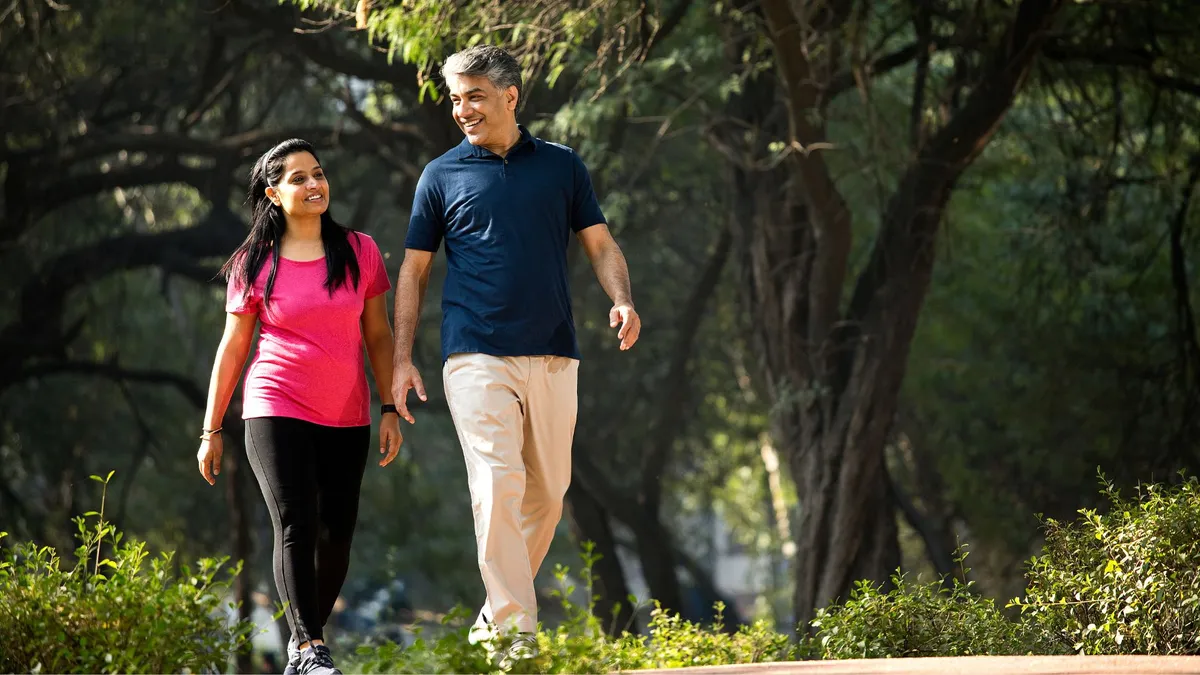
Other good habits include cutting out your afternoon coffee (or following the 10-3-2-1-0 method, if you're ready for a big routine overhaul), instating screen time limits or going for an evening stroll.
And with the extra sleep you're getting, maybe 2026 will be the year you dust off the dumbbells and start building full body strength...
Or maybe just celebrate the little wins with a pat on the back for a full week using the Military method.

Follow Tom's Guide on Google News and add us as a preferred source to get our up-to-date news, analysis, and reviews in your feeds.