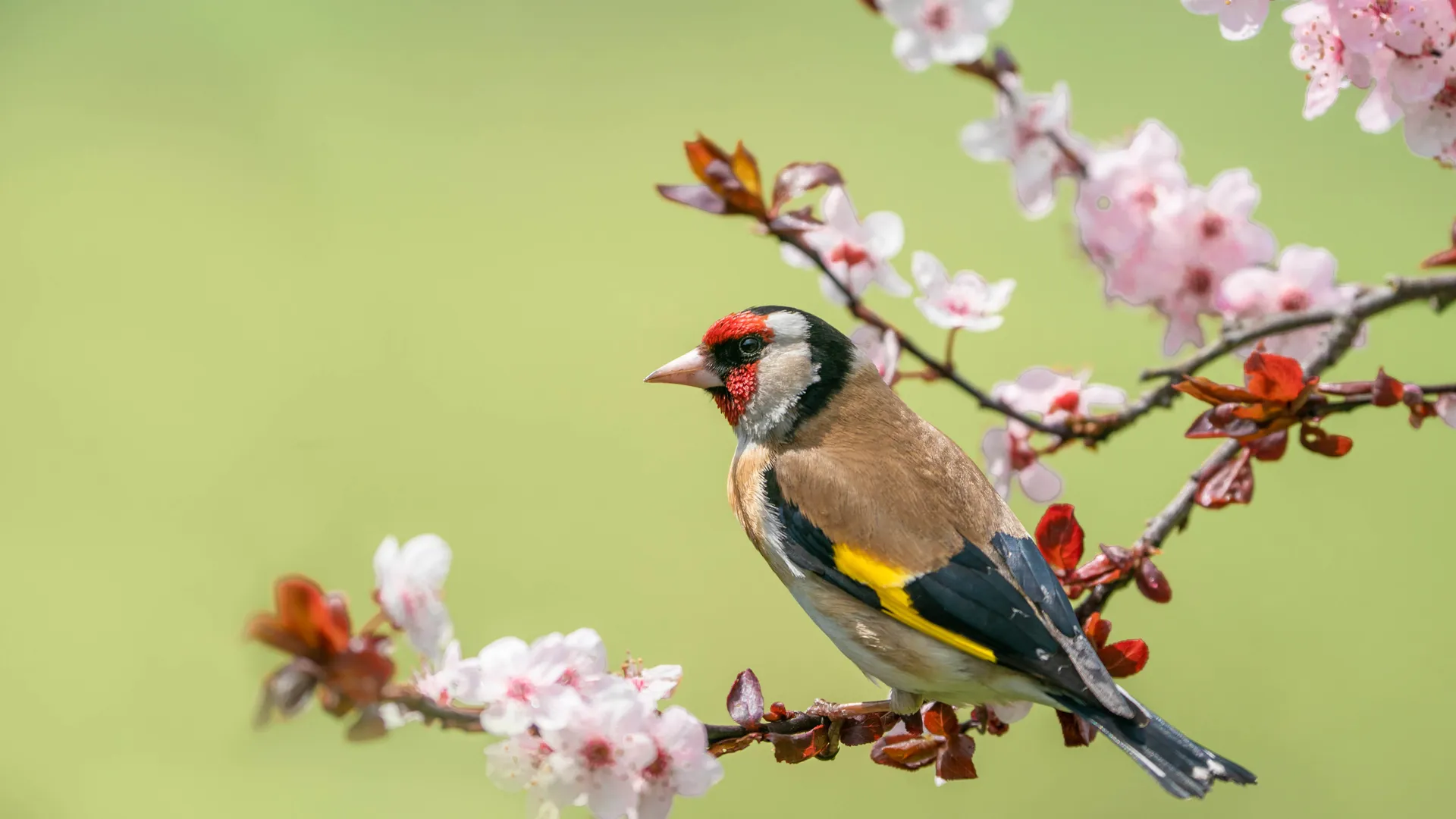
Experts and conservationists are warning households to rethink their bird-feeding habits this summer. The focus is shifting away from traditional feeders toward natural habitats and hygiene to prevent the spread of disease.
Trichomonosis, a highly contagious disease, is causing a decline in garden bird populations, with the U.K.'s Royal Society for the Protection of Birds (RSPB) organization saying it spreads where birds gather in large numbers. And it’s for this reason that the nature conservation charity advises against feeding the birds from May to October.
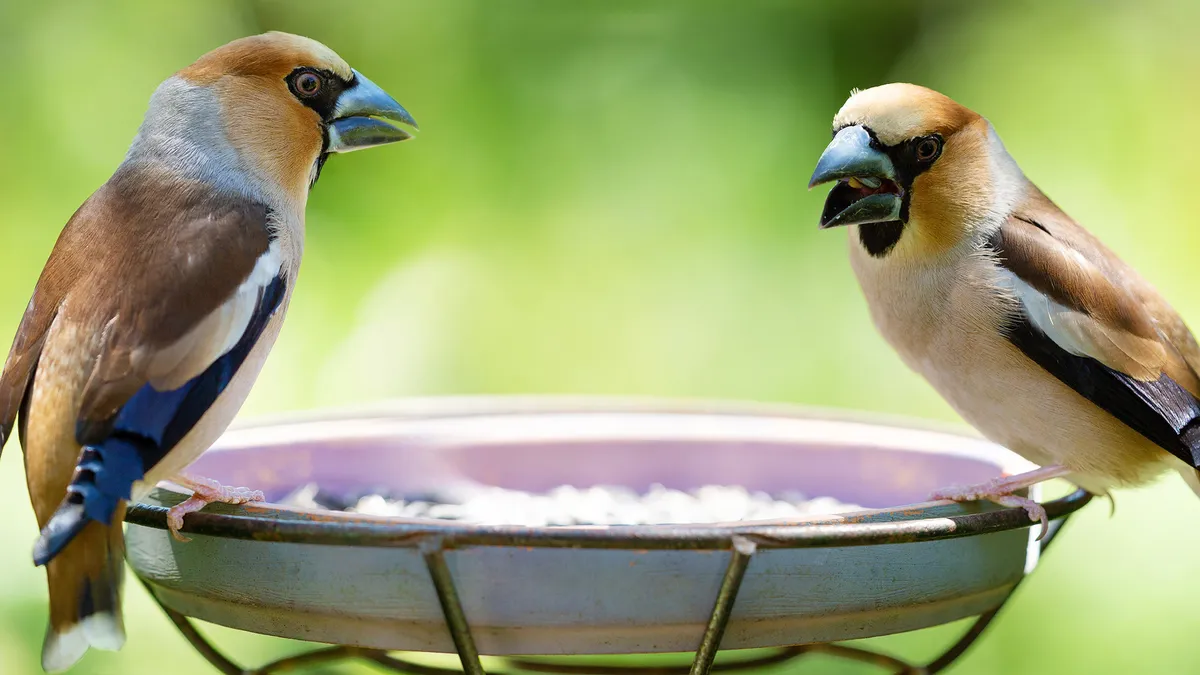
It’s a similar story in the U.S., with organizations like the Audubon Society advising against feeding garden birds during outbreaks of Avian Influenza, House Finch Eye Disease and Trichomonosis.
While I’ve taken down my bird feeders, I still want to encourage these small creatures to visit my yard, so I asked experts how to support garden birds naturally.
Let them drink
“Birds don’t actually need extra food during summer in the same way they do in winter,” says Chris Bonnett, garden expert and founder at Gardening Express, “What they need most is access to fresh water, natural habitats and environments that are teeming with insects to help them raise their young safely.”
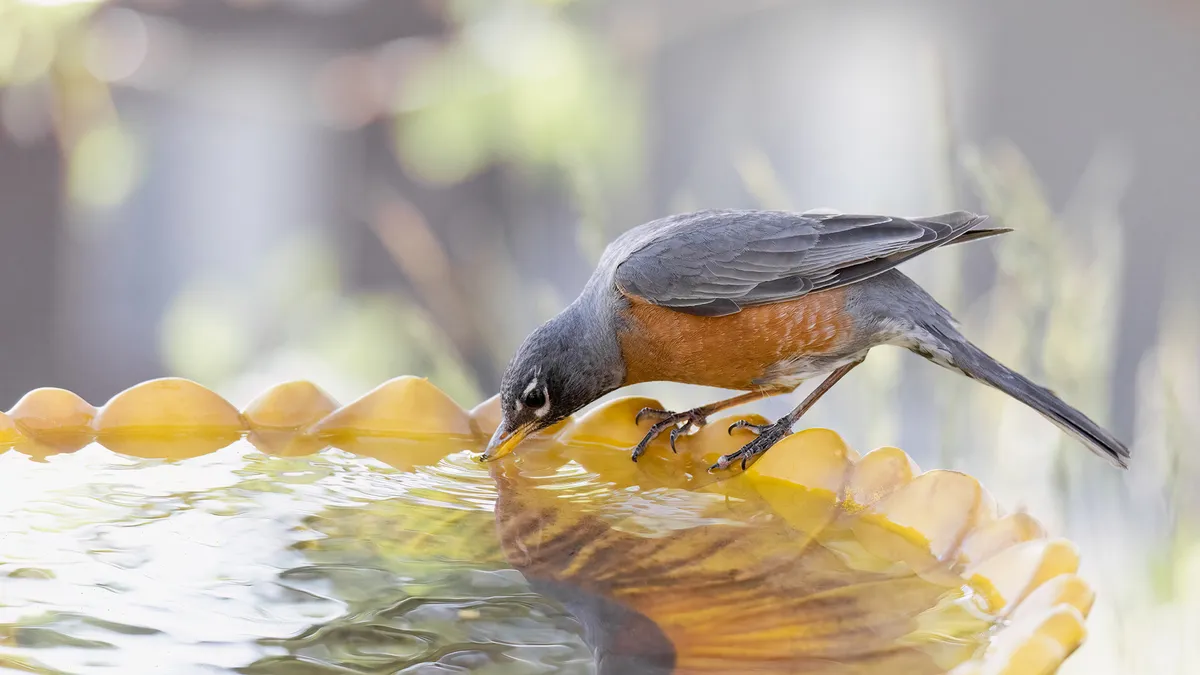
One of the most helpful things people can do is put out a shallow dish of clean, fresh water for birds to drink and bathe in. Not only will it provide a water source when natural sources dry up, but it will also help birds regulate their temperature and keep their feathers clean.
“Keeping water topped up daily is especially helpful for species like songbirds, which lose more water than many other birds and need to drink more often,” says Richard Green, bird feeding specialist at Kennedy Wild Bird Food & Pet Supplies.
Placing water in a sheltered spot among plants can help birds use it with more cover from predators
Richard Green, Kennedy Wild Bird Food & Pet Supplies
And he adds that you also need to be careful where you position the water. “Placing water in a sheltered spot among plants can help birds use it with more cover from predators.”
However, the birds still need to be protected from disease. The RSPB advises changing the water daily and giving the water vessel a good scrub once a week, and more often in hot weather.
Create a garden that supports natural feeding
“Bird-friendly gardens start with the right plants,” says Jo McGarry, gardening expert at Caragh Nurseries.
And she adds that gardeners should focus on plants that support both insect populations and produce plenty of seeds to provide natural food throughout the year.
A garden that attracts birds in summer needs a balance of nectar-rich flowers, seed heads and protective planting
Jo McGarry, Caragh Nurseries
“A garden that attracts birds in summer needs a balance of nectar-rich flowers, seed heads and protective planting," she advises.
Many bird species rely on insects during the warmer months, so choosing plants that support pollinators entices more birds into your garden.
The best plants for hungry birds
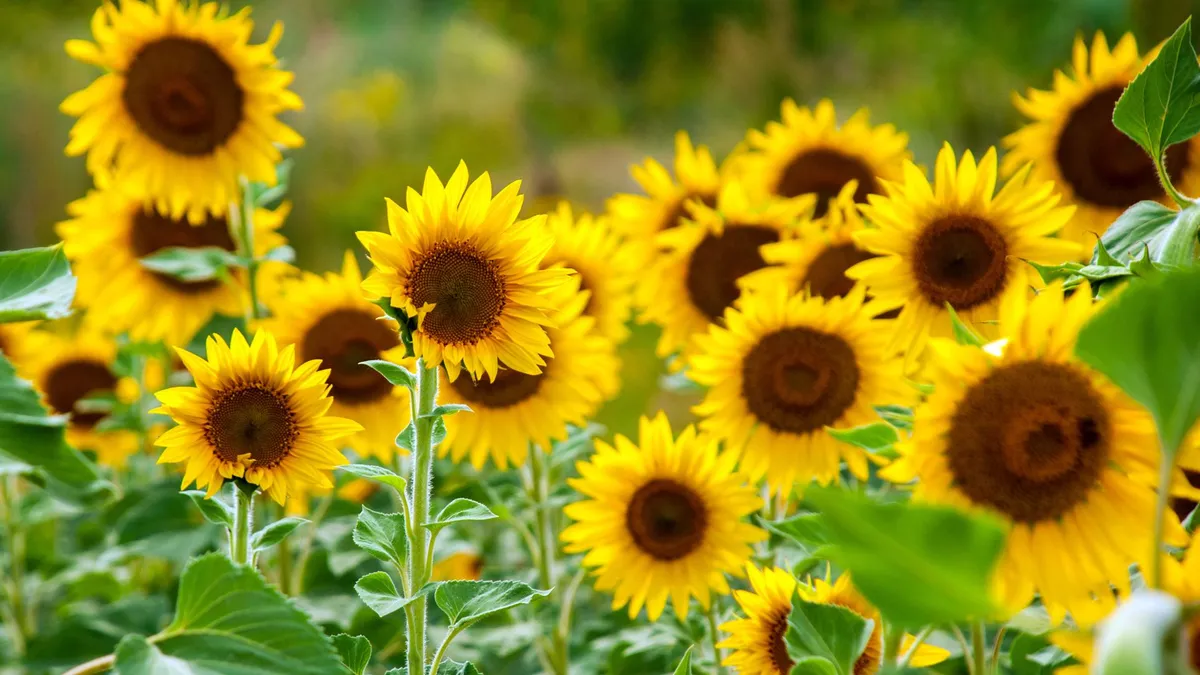
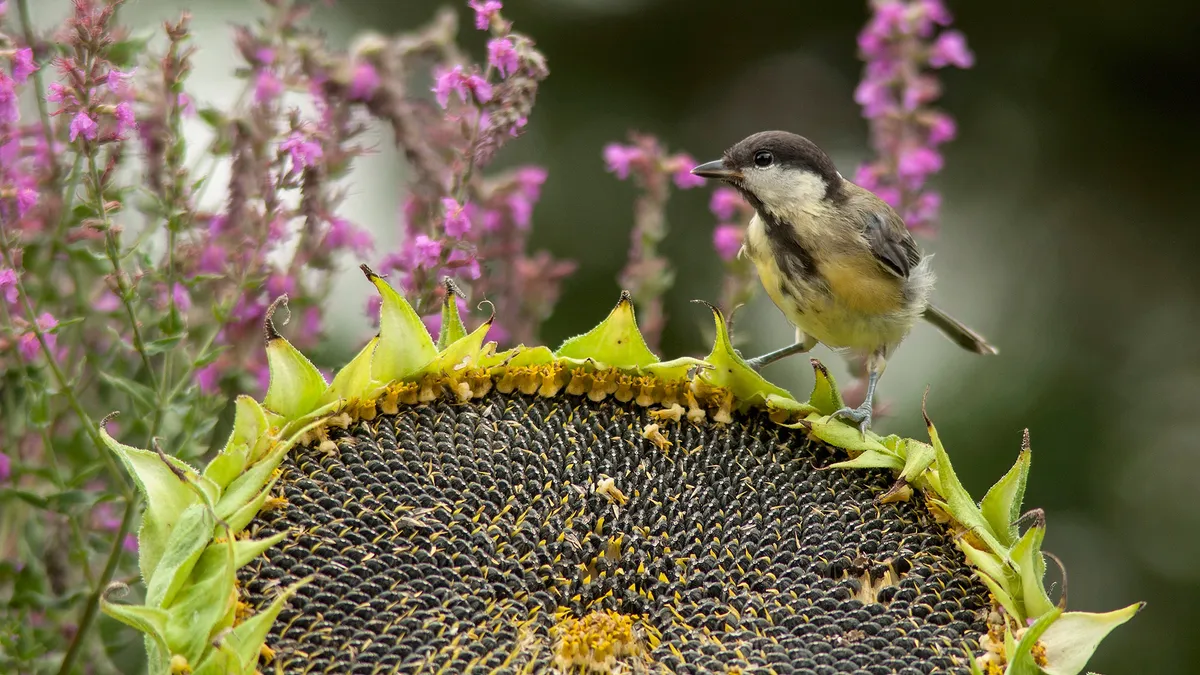
“Sunflowers are one of the easiest bird-friendly plants to grow from seed,” says McGarry, “Once the flowers fade, the seed heads become a valuable food source for finches and sparrows later in the year.”
She also suggests growing cornflowers and scabious, for gardeners looking to support insect-eating birds. “Cornflowers and scabious attract bees, hoverflies and other insects, which helps provide food for birds such as robins, wrens and blue tits. If the seed heads are left standing into fall, they will continue feeding seed-eating birds as temperatures drop.”
Green also suggests planting plume thistle for its nutritious seeds, while bees and butterflies will be enticed by its nectar.
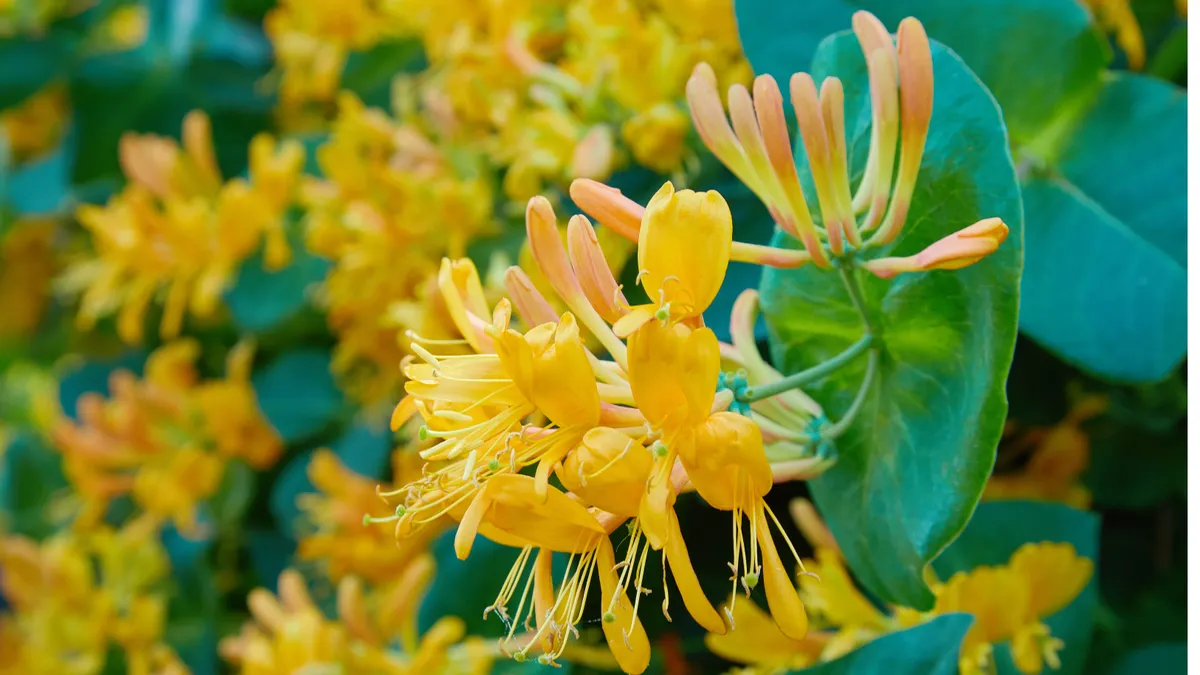
Climbing plants, like honeysuckle, are another option that provides both shelter and feeding opportunities. “Honeysuckle is particularly useful because it attracts insects throughout summer while also creating dense cover where smaller birds can rest or nest,” explains McGarry.
She also adds that wildlife-friendly gardens benefit from layered planting, so climbers, shrubs and flowering perennials all play an important role.
For a late-season option, she suggests planting coneflowers and says, “Coneflowers continue providing interest after flowering because birds will feed from the seed heads well into fall and winter if they are left uncut.”
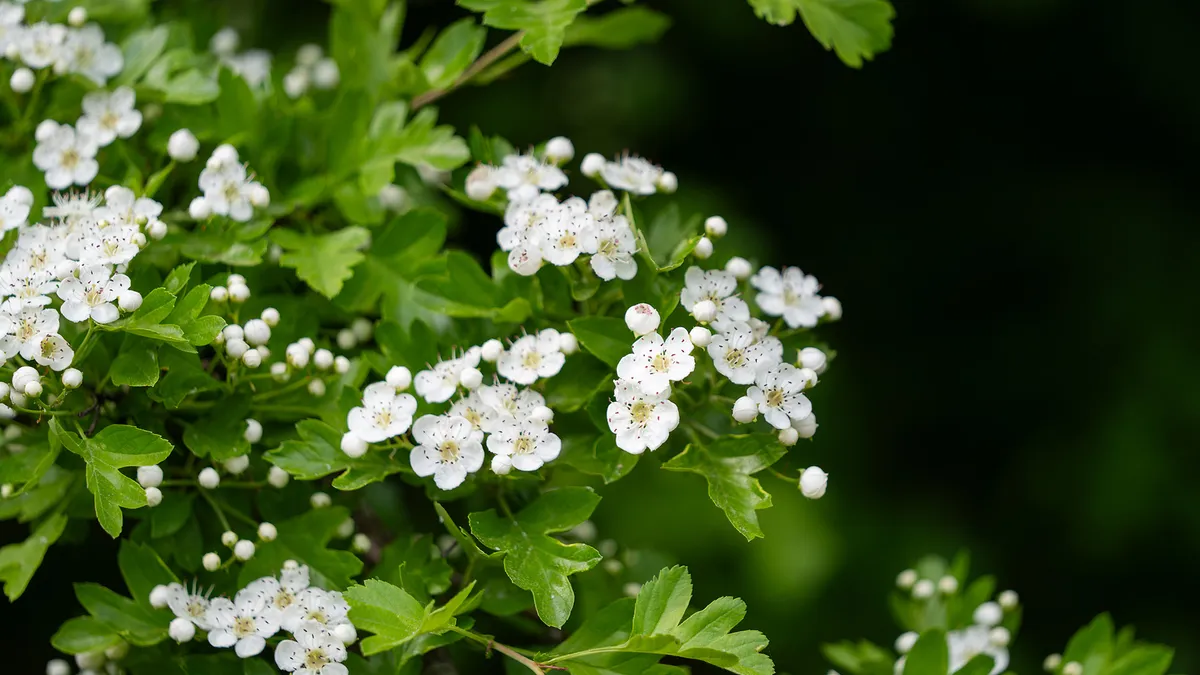
Plants for later in the season
Although the RSPB advises taking out your bird feeders in November, if you want to continue feeding the birds as nature intended, berry-producing shrubs will provide longer-term support.
“Plants such as hawthorn, cotoneaster and guelder rose provide berries, shelter and nesting cover,” says McGarry. “A mix of flowering plants and shrubs will attract a wider variety of birds across the seasons.”
Don't make this one mistake
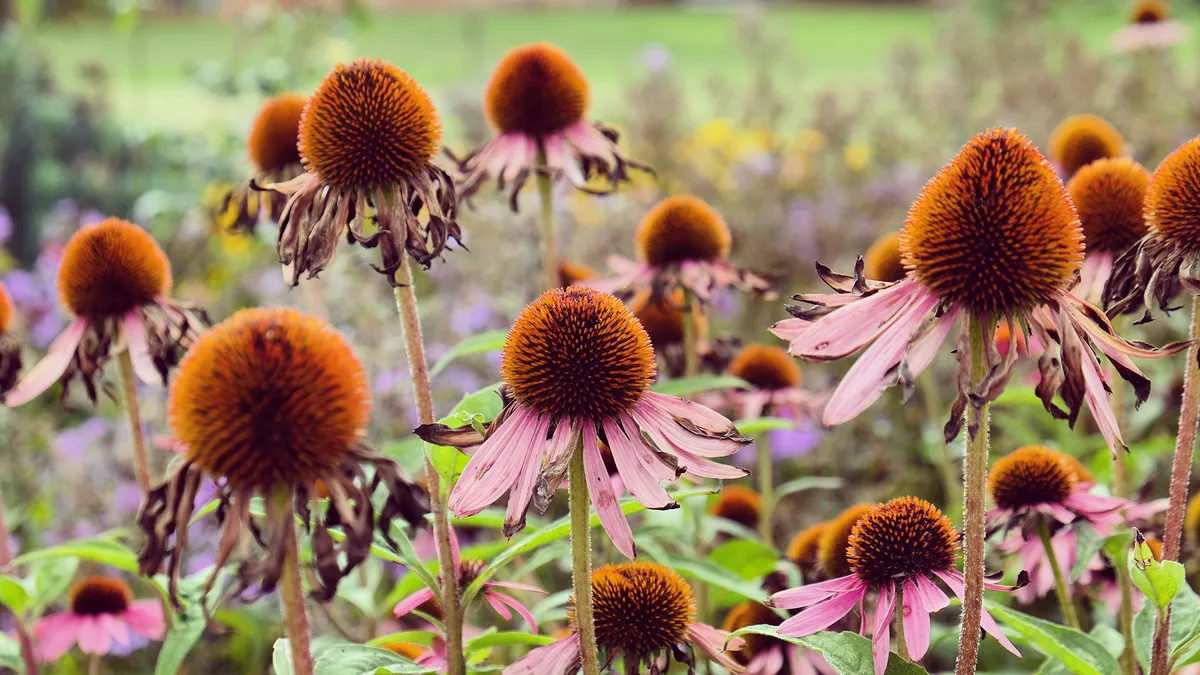
Cutting back your garden when it starts to become unruly will reduce the natural food sources available to birds. So instead of getting out your pruning shears to tidy up your yard, allow the birds to continue to feed.
"Leaving seed heads and plant structures in place, rather than cutting them back too quickly, provides both food and shelter for birds across the seasons,” says Green.
Apart from providing nutrients, he adds, "Leaving parts of the garden untidy can provide nesting materials, cover and safe places for birds to forage."
Bird baths we love

Follow Tom's Guide on Google News and add us as a preferred source to get our up-to-date news, analysis, and reviews in your feeds. Subscribe to Tom's Guide on YouTube and follow us on TikTok. Finally, you can visit our dedicated Tom's Guide Savings Squad hub for expert help on getting the best products for less.
More from Tom's Guide