




No matter how diligent you are about privacy and security, there’s nothing stopping a company from leaking your personal data and leaving you exposed to malicious actors. You have to act quickly when there’s a data breach, especially if it’s a serious one.
In 2025 alone, the Federal Trade Commission (FTC) reported fraud and identity theft losses of over $15.8 billion. Leaks in your personal data can be a slippery slope, so here are the steps you should take to address them.
Assess the leak

Don’t panic. Take a deep breath. The first thing you need to do above all else is identify what information has been breached exactly. This could be anything as simple as an email address or as serious as a Social Security number.
If it’s the former, it’s likely all you’ll be a victim to is a litany of scam emails, in which case you’ll need to be more scrupulous while looking through your inbox. But if it’s something more than that, you should continue on to the next steps.
Change your passwords and activate MFA
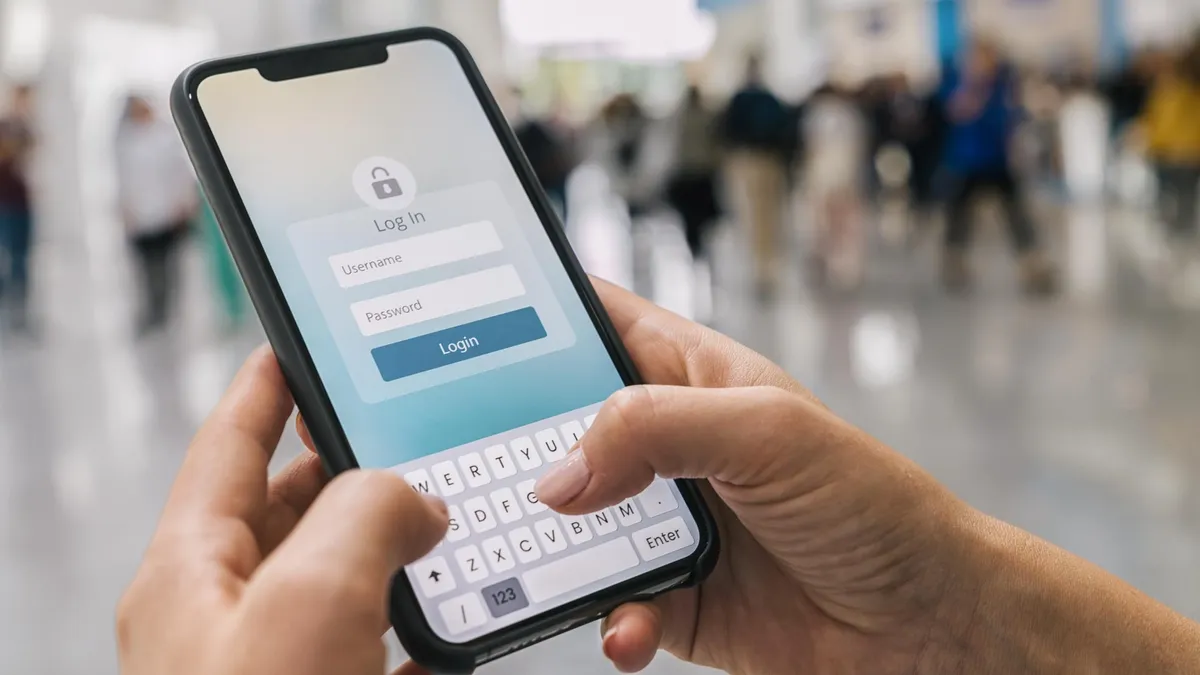
Account information like passwords are among the most common leaks, and while it should go without saying that you should change your passwords, you need to take some additional steps to maintain your security.
First, you should use a unique password for every account that you have, so that multiple accounts aren’t at risk because of one breach. You can achieve that more easily with a strong password manager. Second, you need to enable two-factor authentication (2FA) or multifactor authentication (MFA) if it’s available on that account. This’ll add another layer of security so even if your passwords were leaked, hackers shouldn’t be able to access your account.
Contact your bank and credit card companies

If your banking and credit card credentials have been leaked, immediately contact your financial institutions. In the most ideal scenario, acquire a new banking account or credit card number. If that’s not possible, however, you should be able to place a fraud alert on your accounts.
Going forward, you should keep a close eye on your accounts, even in the coming year. If your information is out there, it could be abused at any time, not necessarily immediately.
Freeze your credit
In the event of a serious breach, specifically one where your social security number is leaked, you need to freeze your credit immediately. This will stop anyone from trying to take out a loan or a new credit card in your name.
You’ll need to contact the three credit bureaus individually — that’s Equifax Credit, Experian Credit, and TransUnion Credit. Freezing your credit is free and you can lift the freeze whenever you want. However, unless you get a new social security number, which is very difficult to do, you should keep the freeze on your credit and only temporarily lift it when you need to apply for new credit, like a mortgage. There are also credit checks that you might need to undergo for an employer or landlord, which could require a temporary lift.
Report identity theft
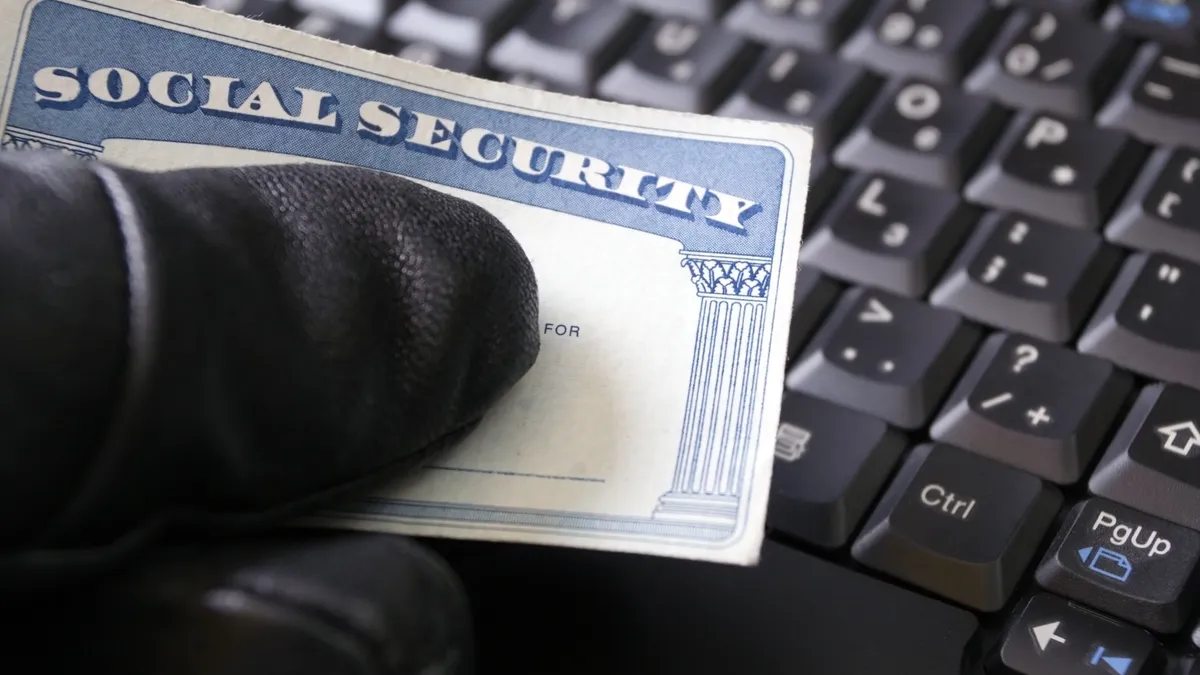
In the absolute worst case scenario, where all your vital personal information is leaked, someone may attempt to steal your identity. Unfortunately, identity theft could get bad very quickly, especially if said perpetrator is committing crimes under your name.
If you believe you’re a victim of identity theft, you need to go to IdentityTheft.gov and file a report with the FTC. From there, follow the steps it lays out for you to get this under control.
Bottom line
Once your information is out in the open, there's no taking it back. But inaction could lead to some serious repercussions. Once you've dealt with your current breach, do yourself a favor and take the time to secure accounts with other companies. Things like setting up unique passwords and enabling 2FA or MFA will save you some trouble down the road.
Follow Tom's Guide on Google News and add us as a preferred source to get our up-to-date news, analysis, and reviews in your feeds. Subscribe to Tom's Guide on YouTube and follow us on TikTok.

More from Tom's Guide

