I've tested a lot of sleep tech over the last three years, and the Oura Ring 5, from $399 at Amazon, is my favorite gadget overall. This top-rated sleep tracker tells me the ins and outs of my sleep night after night, but that wasn't always the case.
When I first started using the Oura Ring 5, a common rookie error cost me a week's worth of accurate sleep tracking. The good news is that fixing my mistake was easy, and now I'm getting insightful feedback on my sleep quality, duration and quality.
Here's the Oura Ring slip-up I made and what I now do to get lab-accurate sleep tracking each night from my smart ring...
The mistake I made
Caught up in the excitement of getting an Oura Ring 5, I forgot to check if there was a certain way I should be wearing it. I thought placing the ring on my index finger, then heading to bed, would be all I needed to do.

For the first few weeks, I wore both my Oura Ring and my Apple Watch Ultra so that I could compare the data captured. And I soon noticed major sleep score discrepancies between the two wearables...
As it turns out, I'd made a significant mistake.
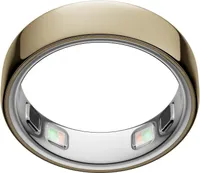
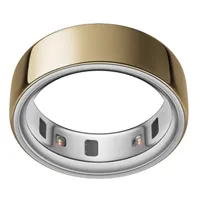
There is a faint white marking (which feels slightly rougher in texture than the rest of the ring) on the outer side of the Oura Ring. This is an alignment indicator, used to ensure the ring's placement is correct.
The alignment indicator should be positioned on the underside of the hand, so it's placed on top of your palm.
The white marking on My Oura Ring was not aligned with my palm, and that was costing me accurate sleep tracking and leading to poor sleep scores.
How to wear the Oura Ring 5 for lab-accurate sleep data

- The Oura Ring 5 has a faint white mark. This should be used as an alignment indicator for correct wear.
- Wear the ring so that the white alignment indicator is placed on the underside of your hand (so it sits on top of your palm rather than the back of your hand).
- The white alignment indicator is positioned above your palm ensures the most accurate reading because it puts the sensor closer to your skin.
- If the alignment indicator is facing outward, the Oura Ring 5's sensor will lose contact with your skin and lead to inaccurate tracking.
- The shape and sizes of our fingers can fluctuate and cause the Oura Ring's placement to shift. Switching to a larger finger can ensure a snugger fit that won't affect accuracy.
- If you find that your Oura Ring is shifting too much on your dominant hand, switch to a non-dominant hand for less movement.
- Hand-washing and creams can cause the Oura Ring's placement to shift. I recommend taking your Oura ring off for this and putting it back on once your hands are dry.

My fingers are highly sensitive to temperature change, and colder weather or excessive AC can cause my Oura Ring 5 shift, twist, and even slide right off.
I wear my Oura Ring on my index finger the majority of the time, but when it's chillier than usual, I switch to my middle finger as it's naturally larger.
Switching fingers won't cause sleep data inaccuracy, as long as you avoid your thumb and stick to your three digits: index, middle, and ring finger.

Wearing the Oura Ring 5 on your dominant hand can cause the ring to shift as your hand goes through more motions. So, if you feel like your ring is shifting around, simply switch to your non-dominant hand.
The Oura Ring's water-resistant design also means you can perform pretty much any activity while wearing it. However, whether you're taking a bath or washing your face, greasy, creamy lotions can cause your Oura Ring 5 to shift.
I now take my ring off during my night-time routine, allowing my skin to dry off before putting it back on.
3 top-rated sleep tracking smart rings